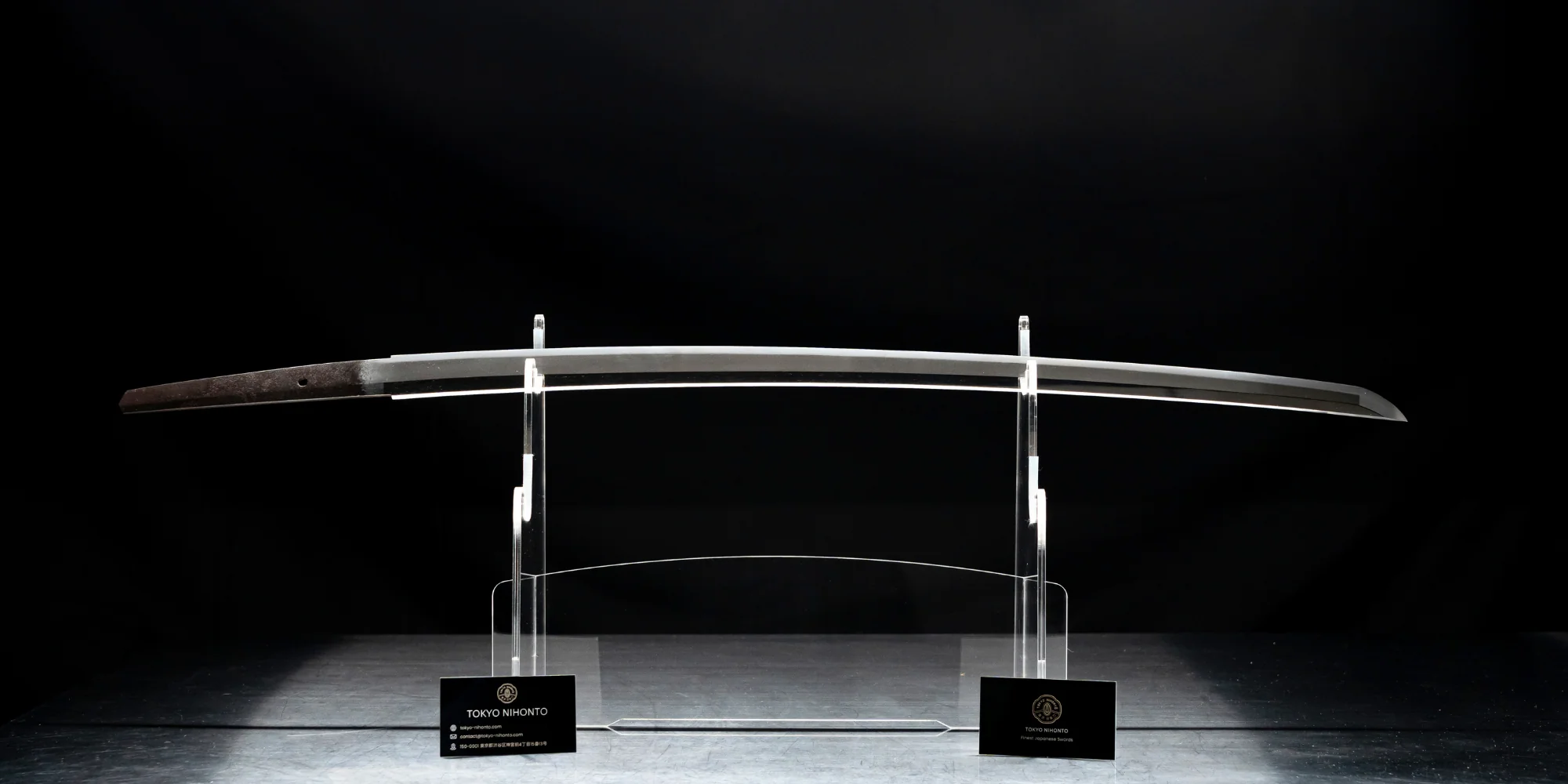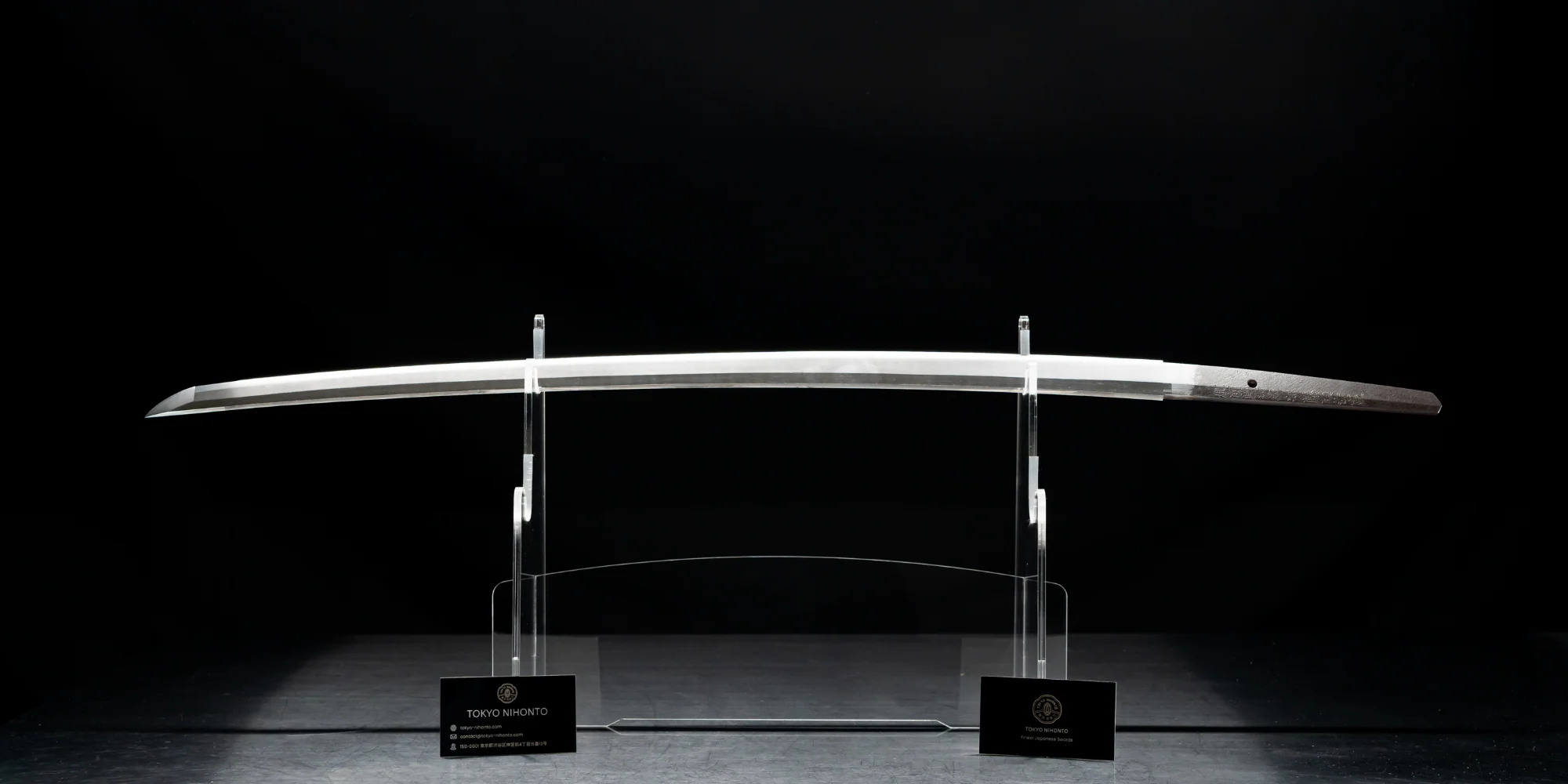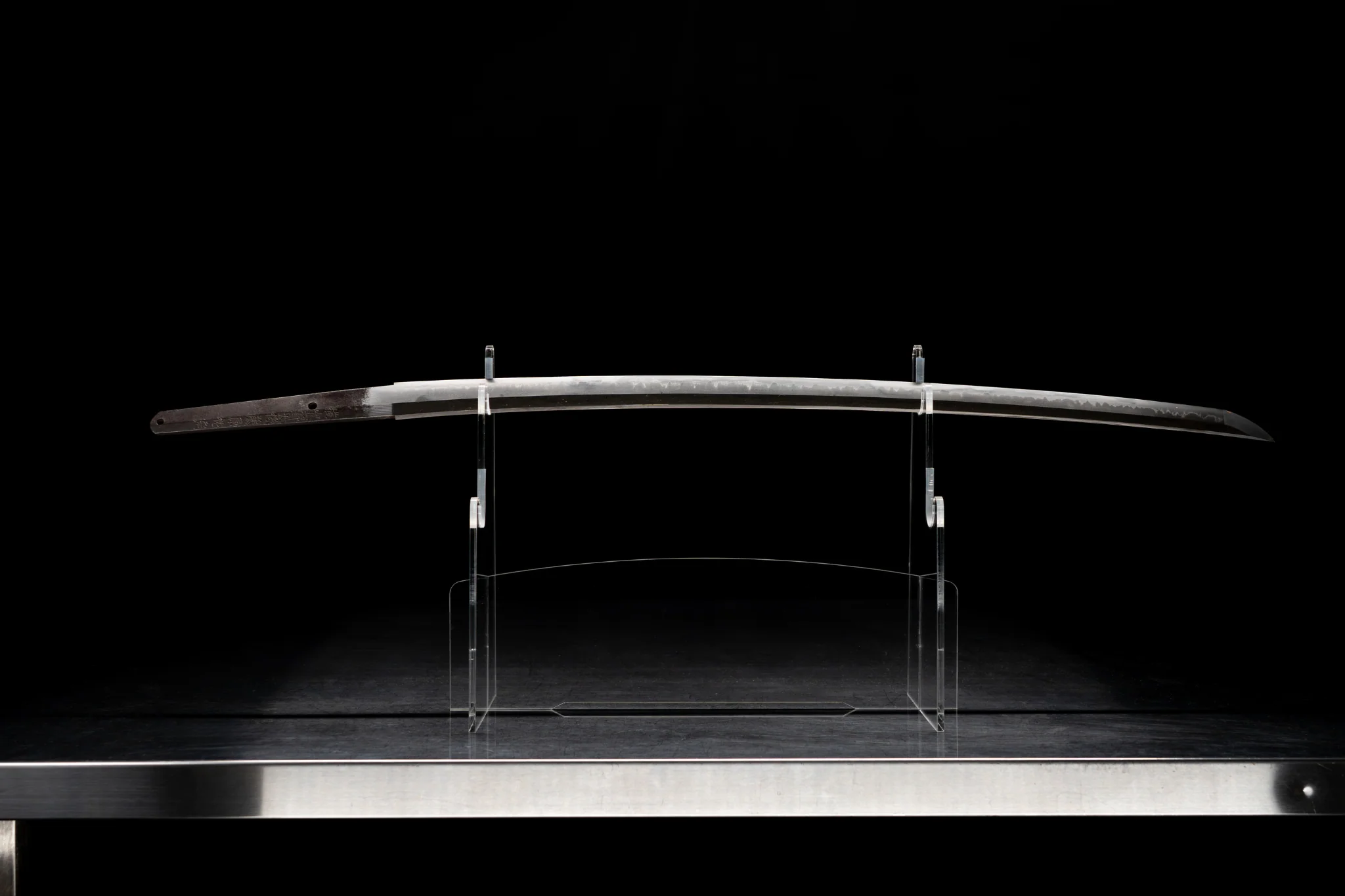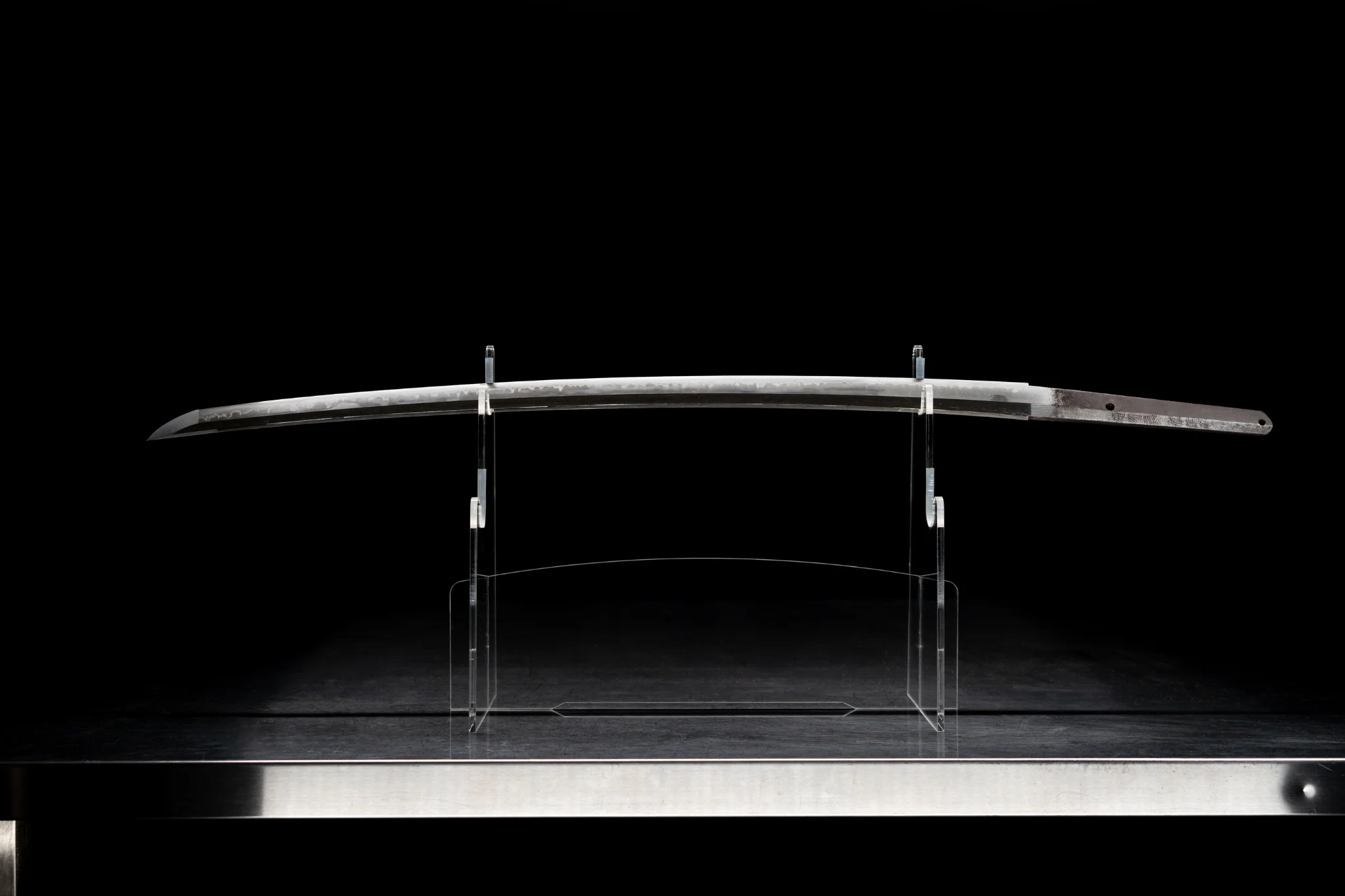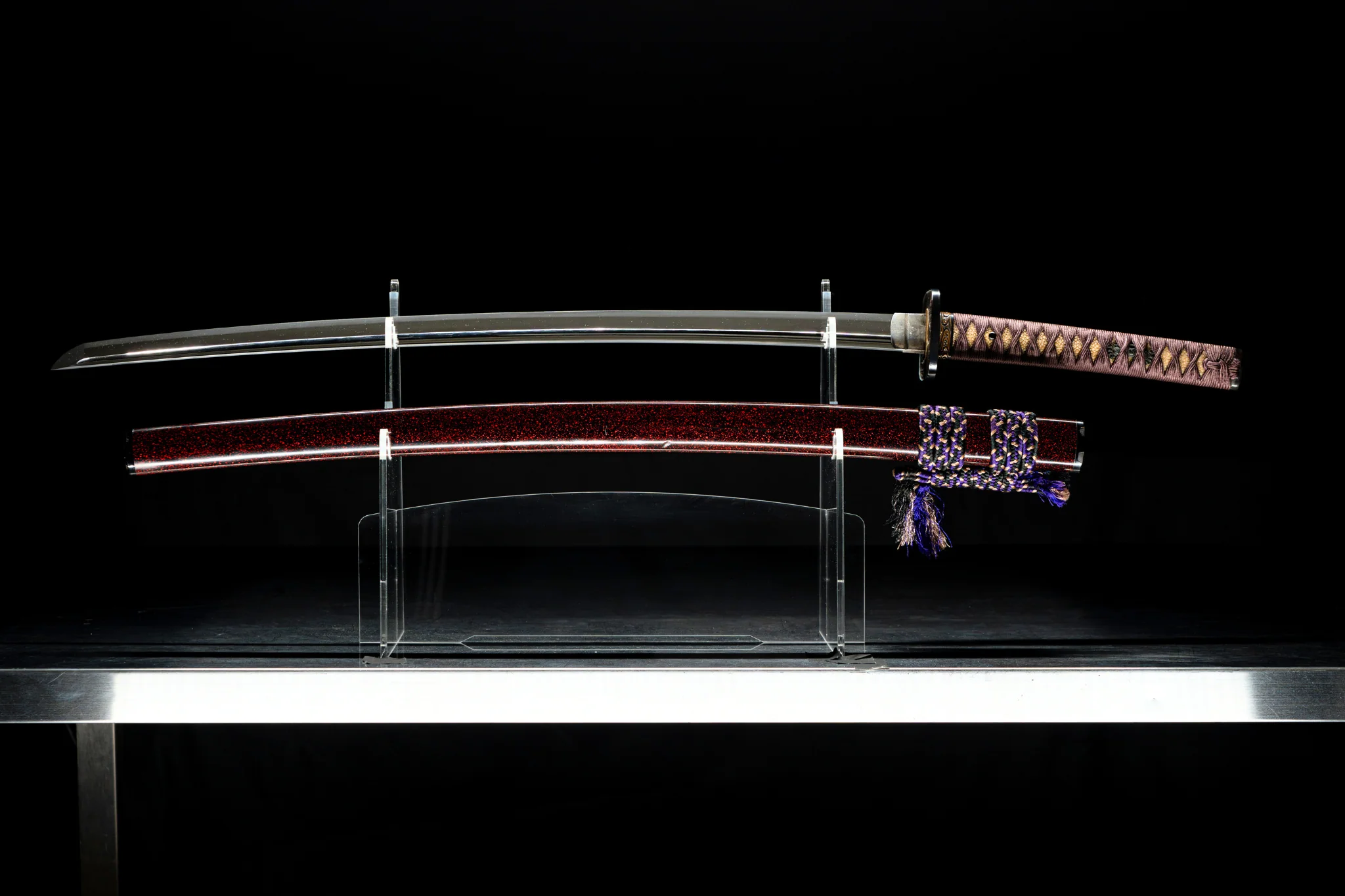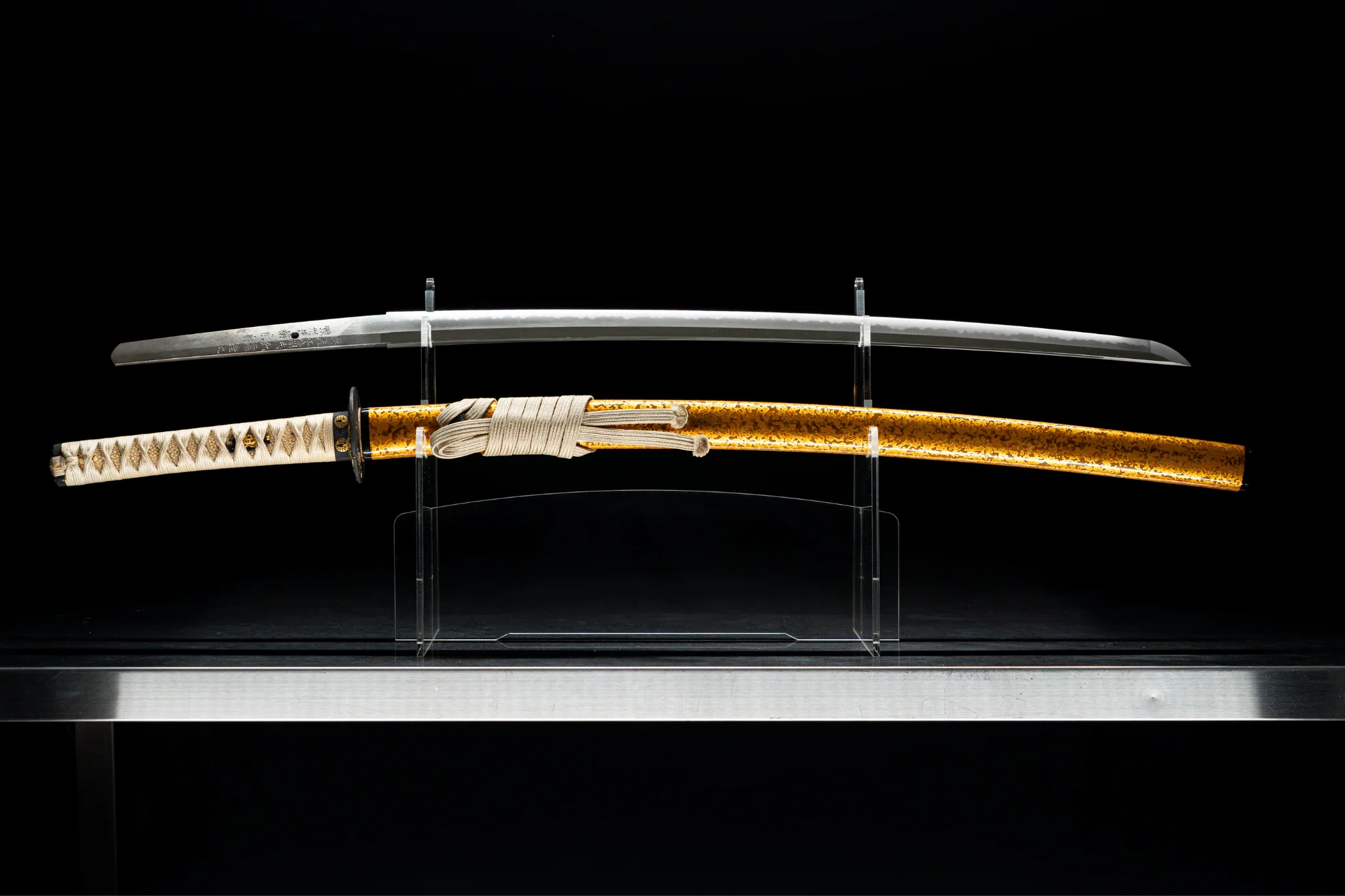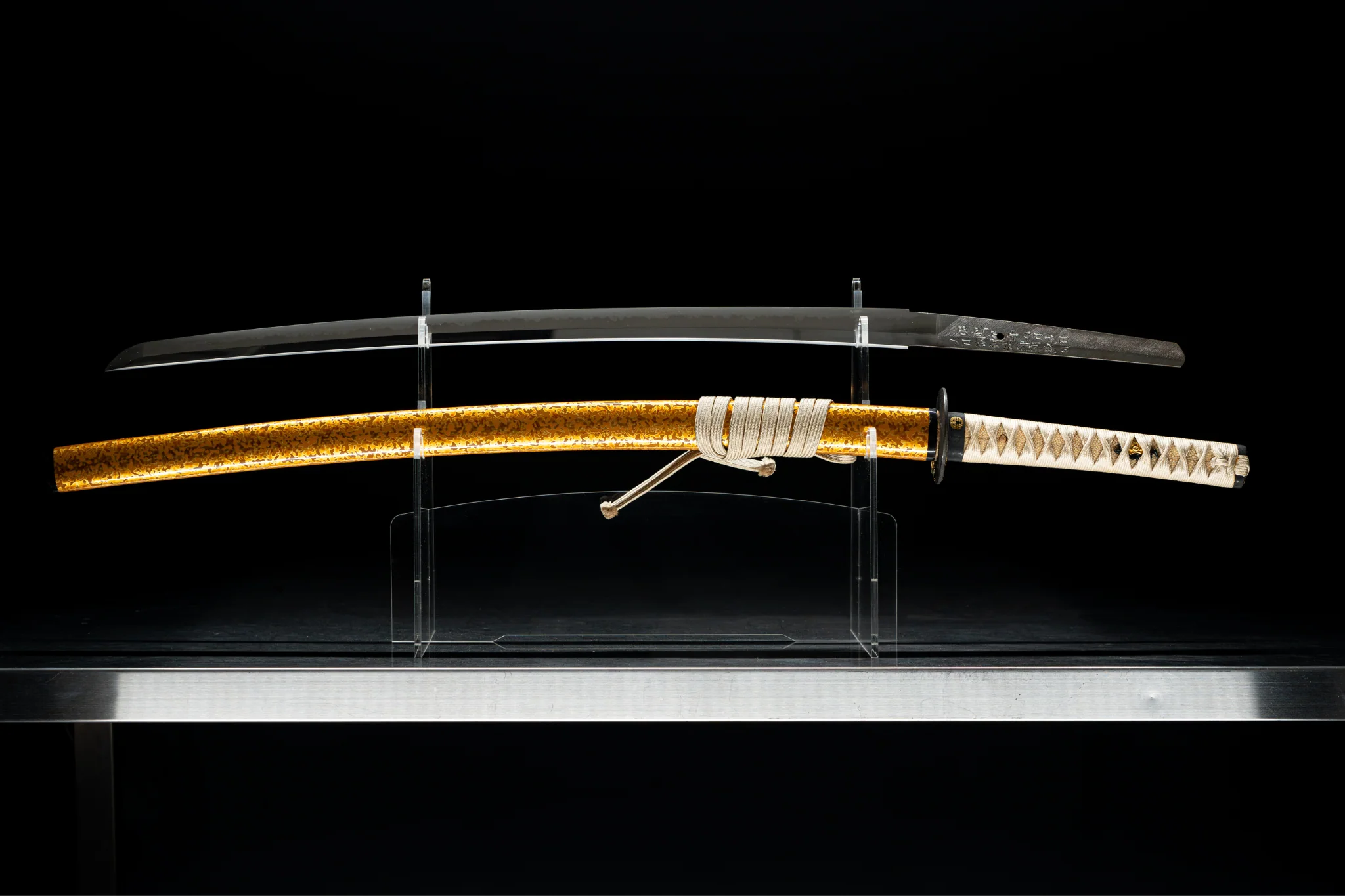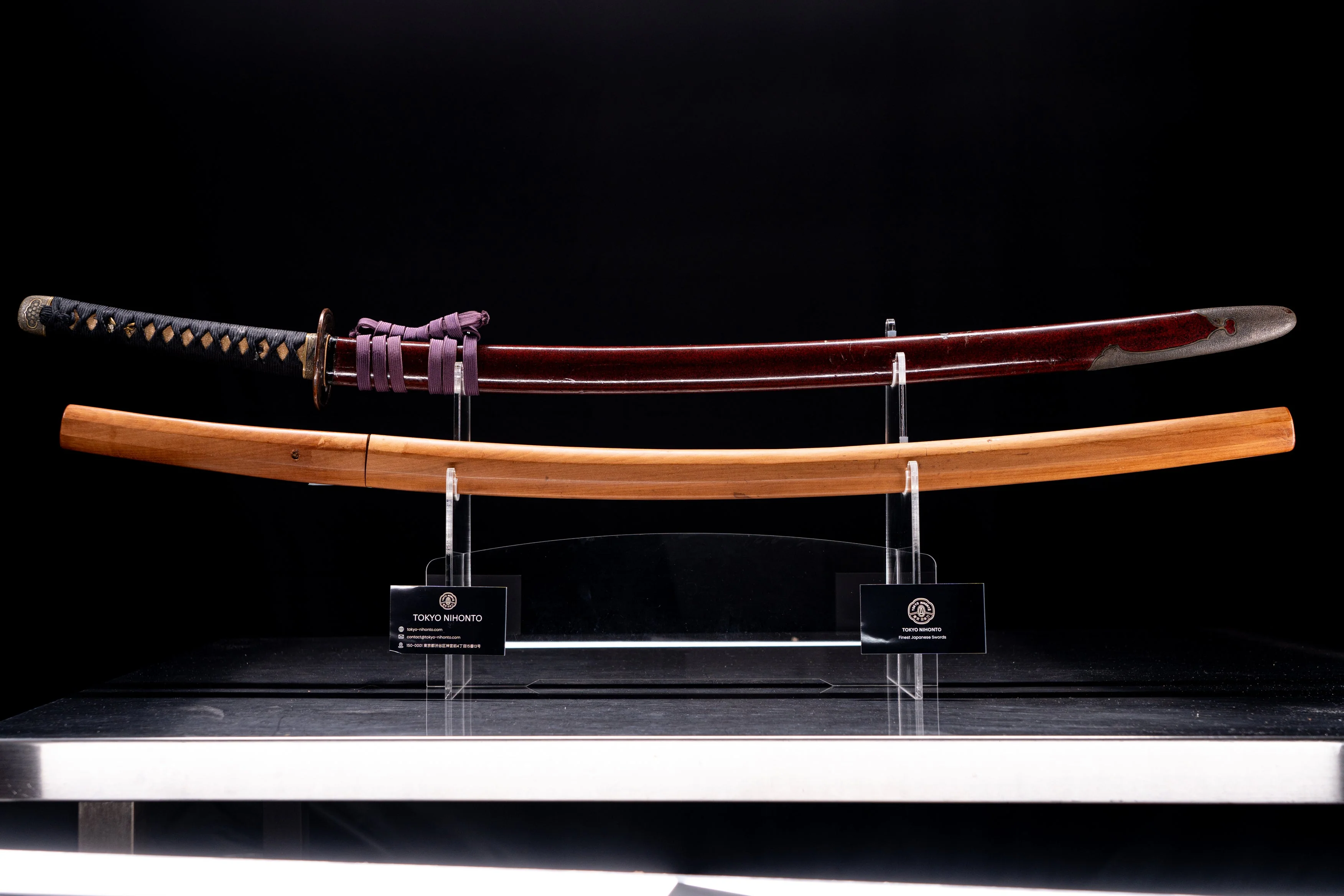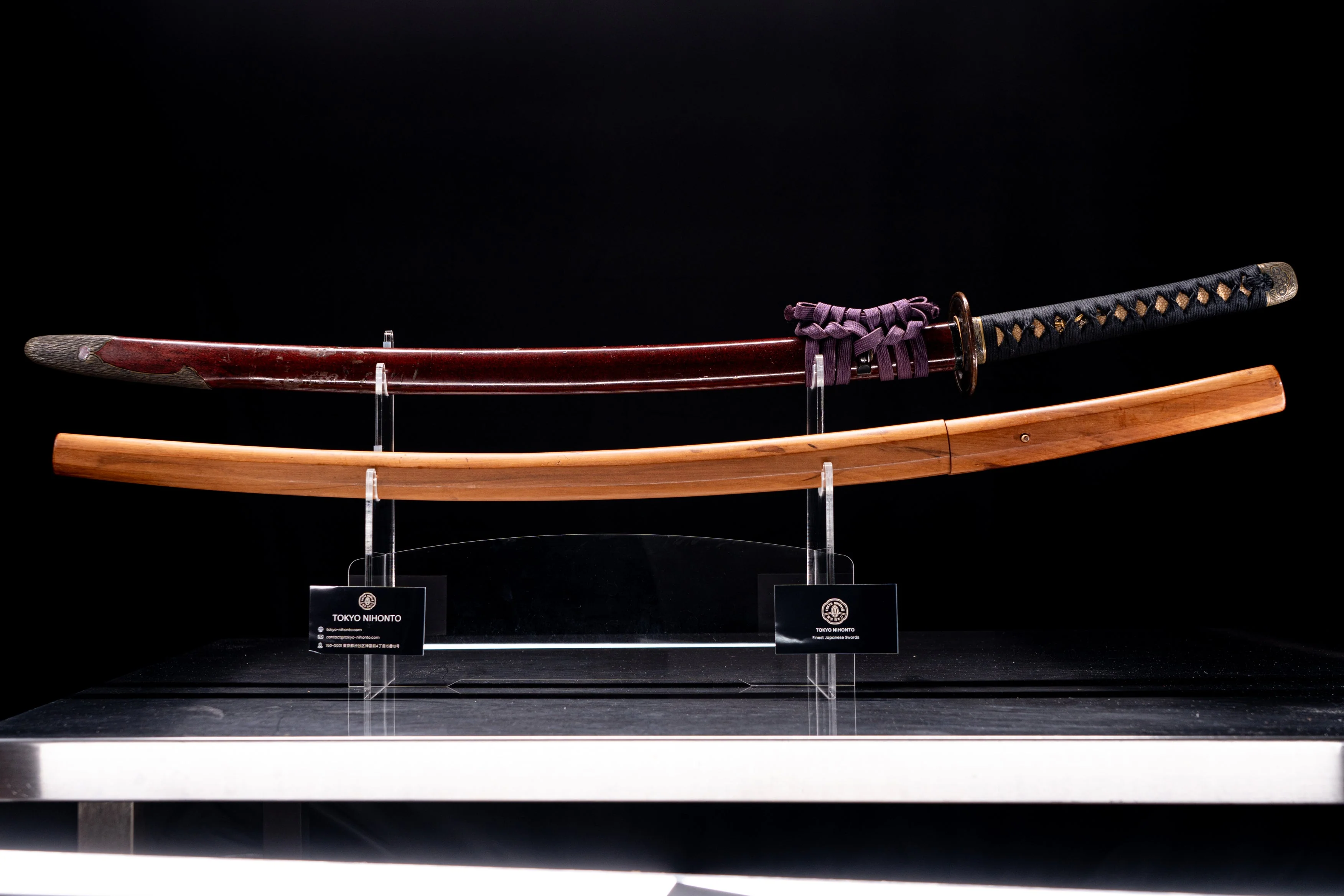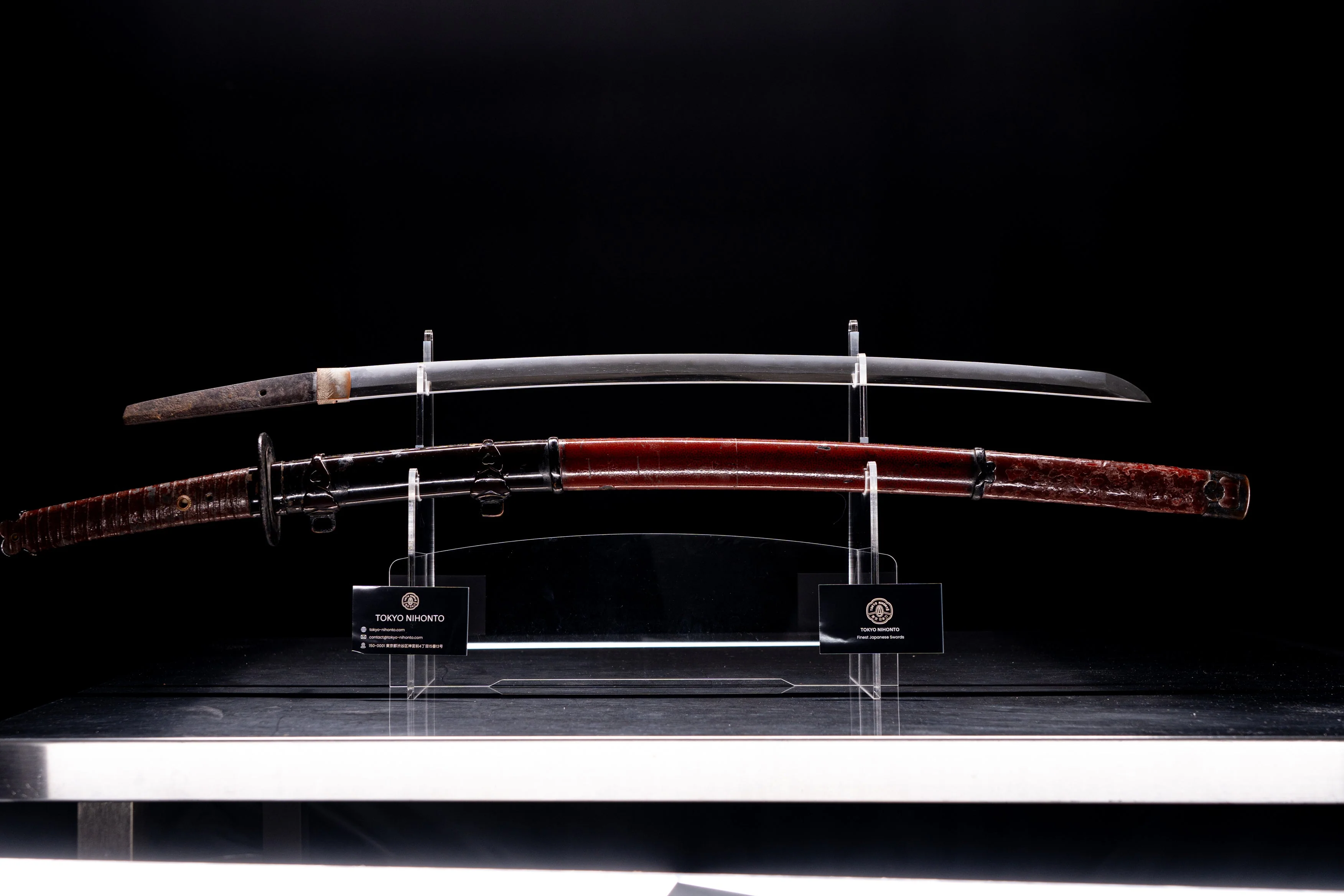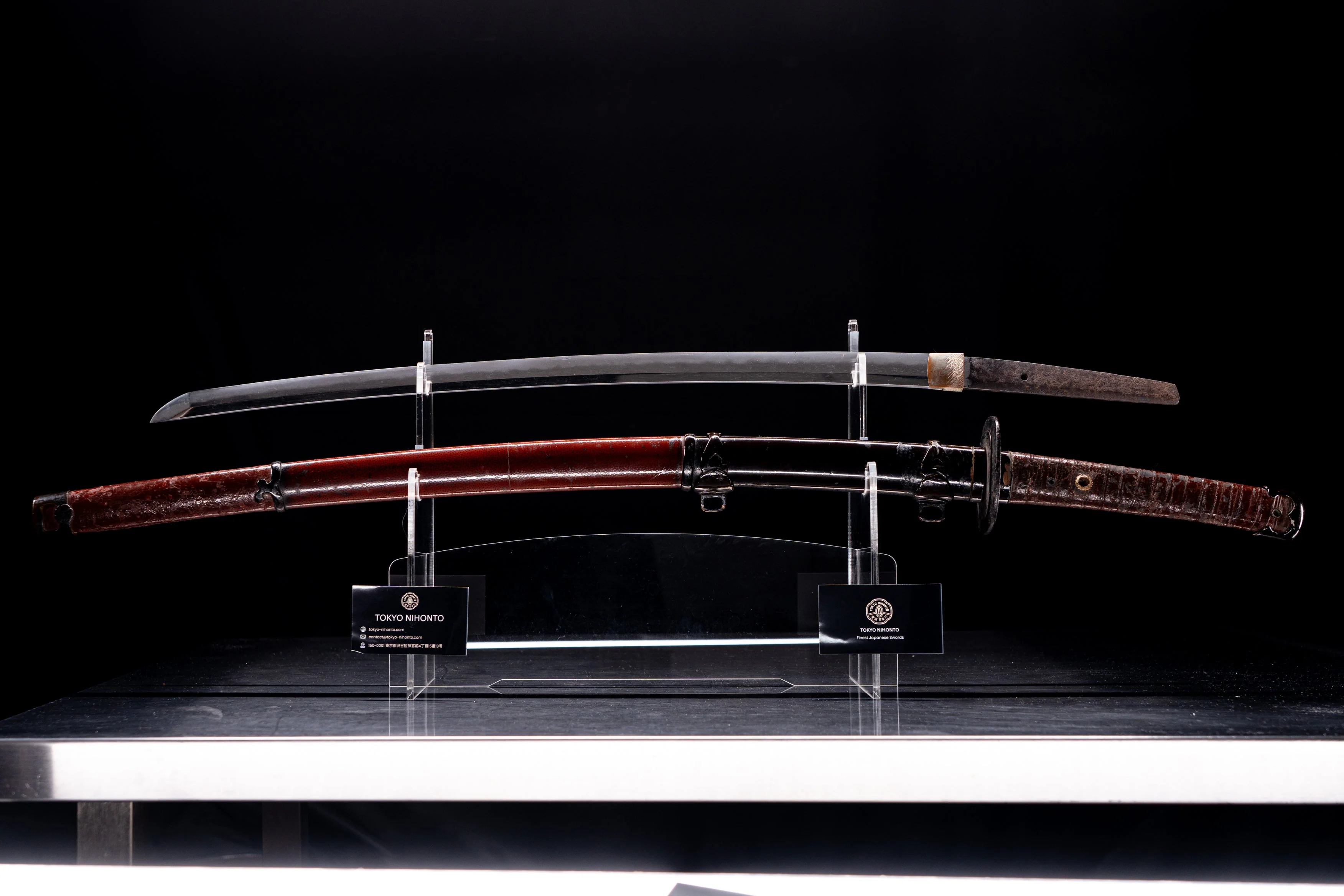
Antique Japanese Katana Sword by Uda Hirakuni (Hozon)
Sword Specifications
- Maker: Uda Hirakuni
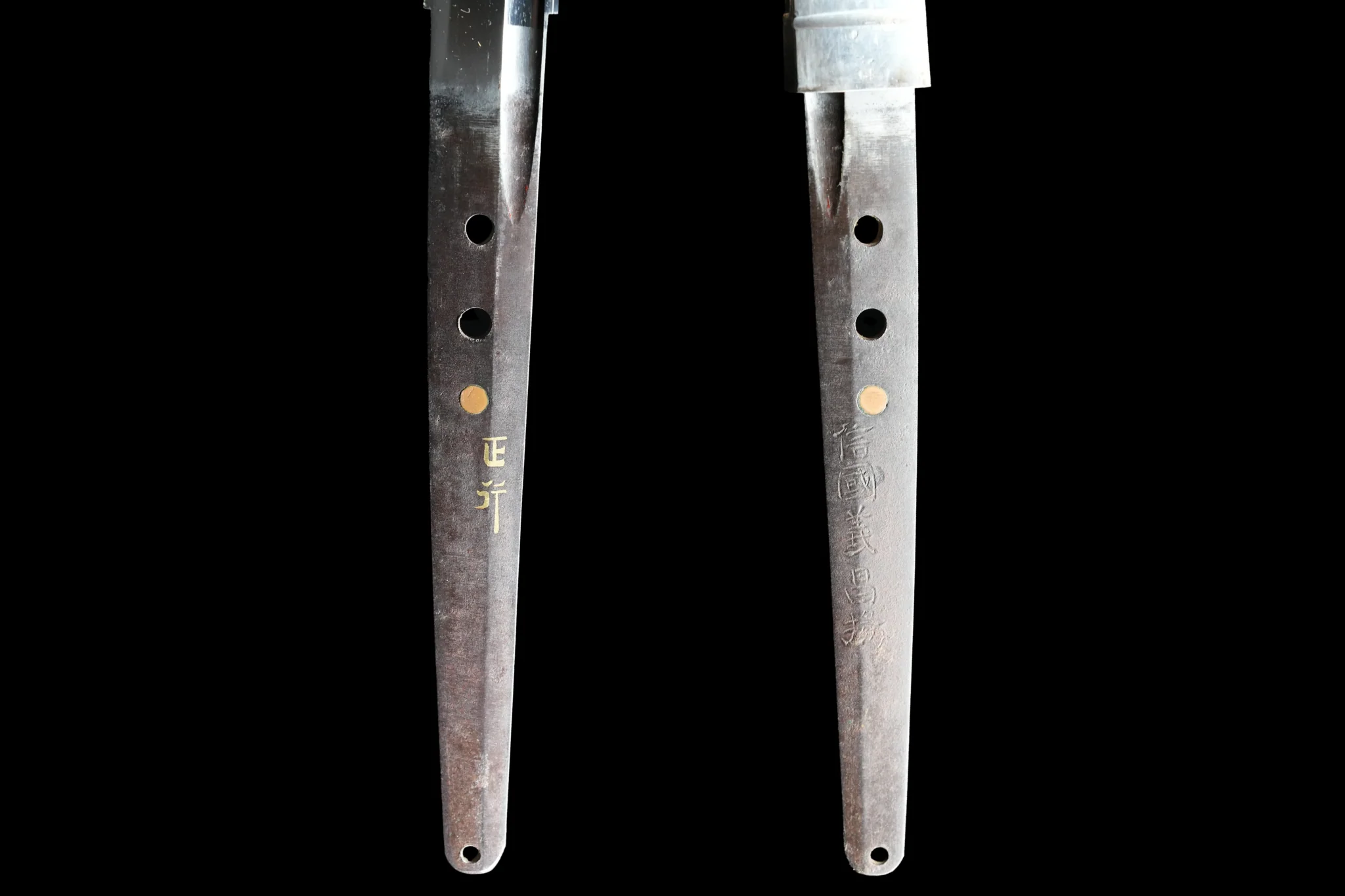
- Mumei
- Period: Late Muromachi
- Certificate: NBTHK Hozon
- Blade Length: 62.0 cm
- Curvature: 1.5 cm
- Width at Base: 2.83 cm
- Width at Tip: 1.82 cm
- Thickness at Base: 7.2 mm
- Thickness at Tip: 5.0 mm
- Blade Weight: 523 g
- Mekugi-ana (Peg Holes): 3
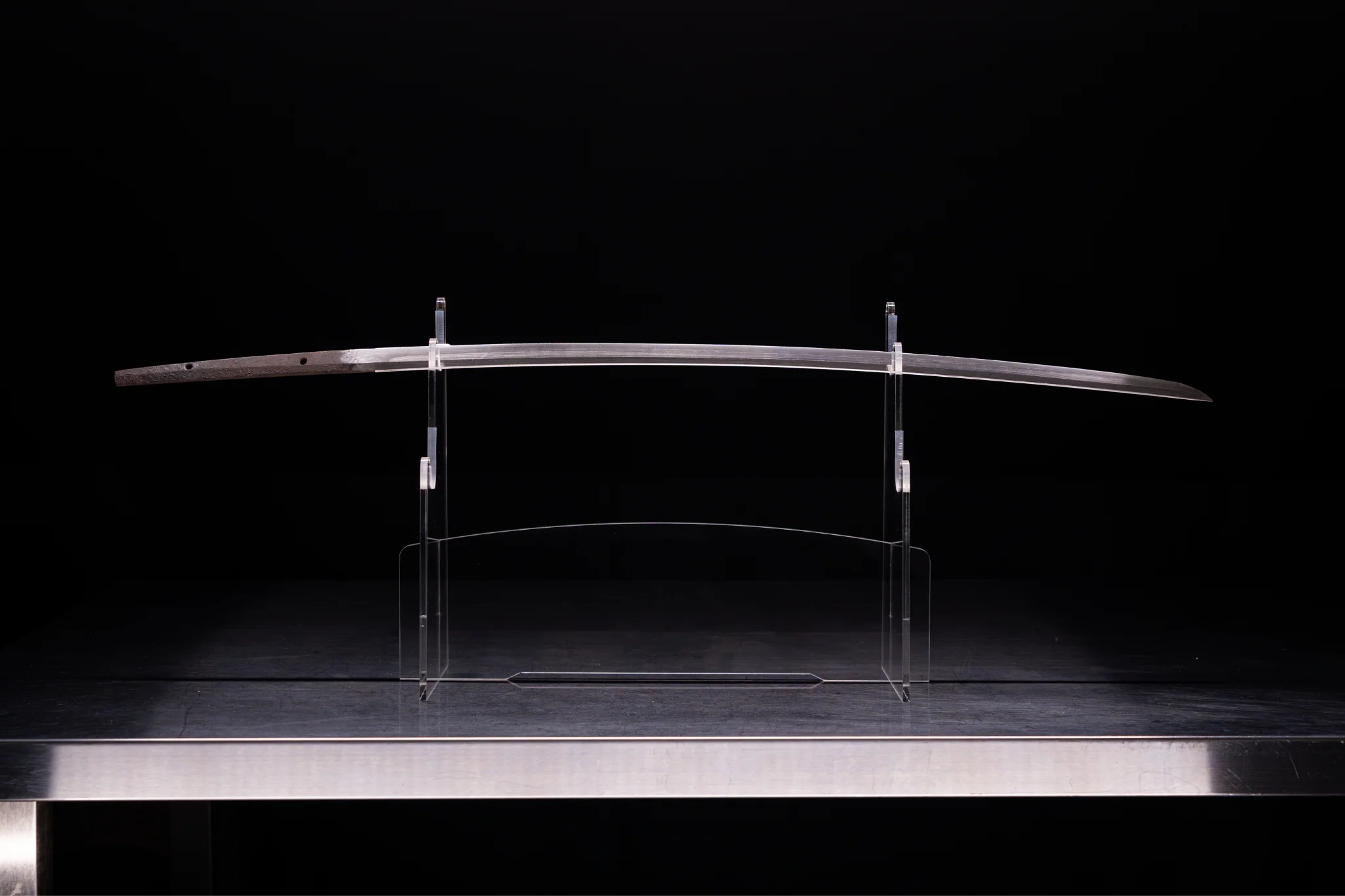
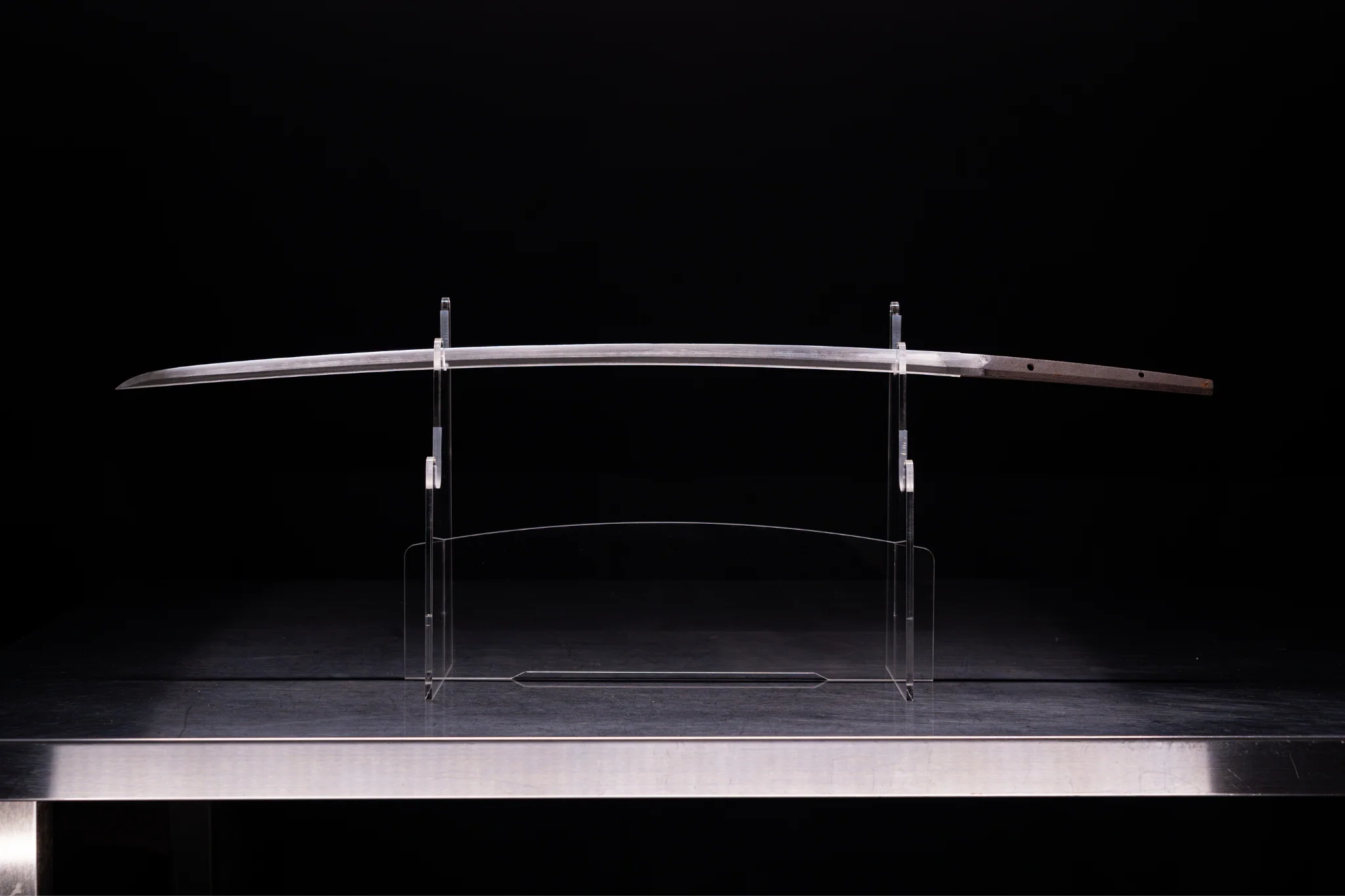
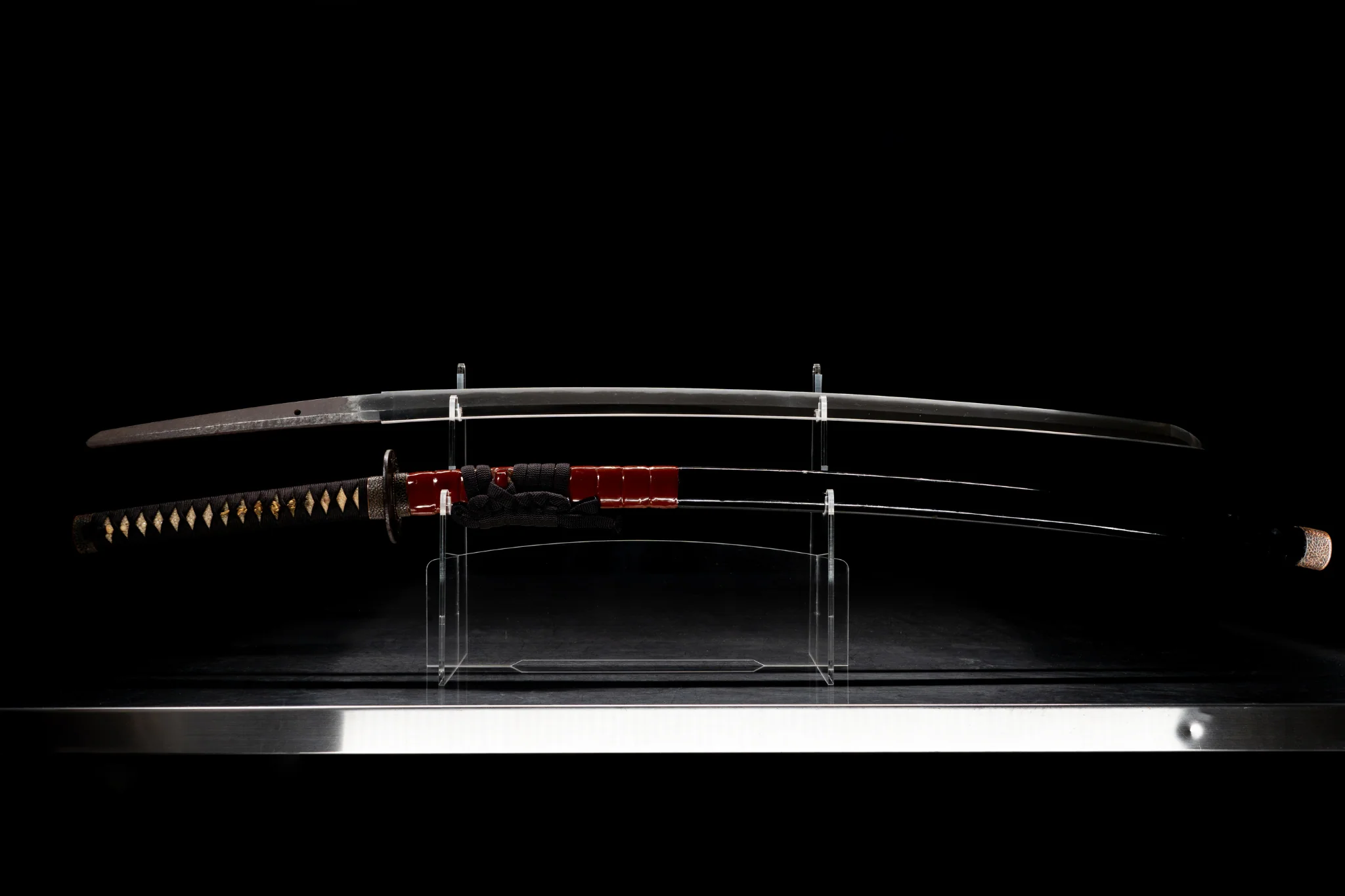
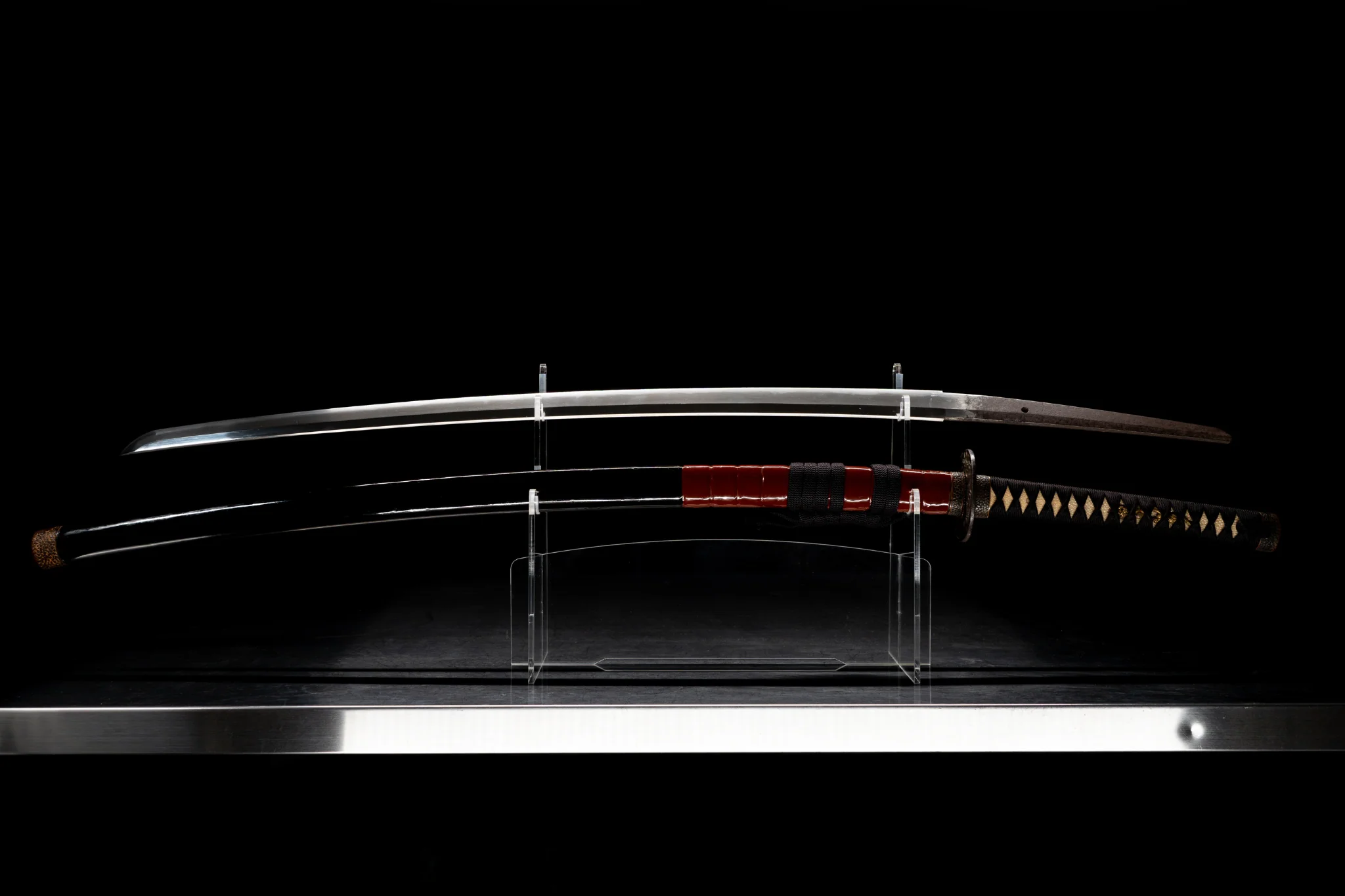
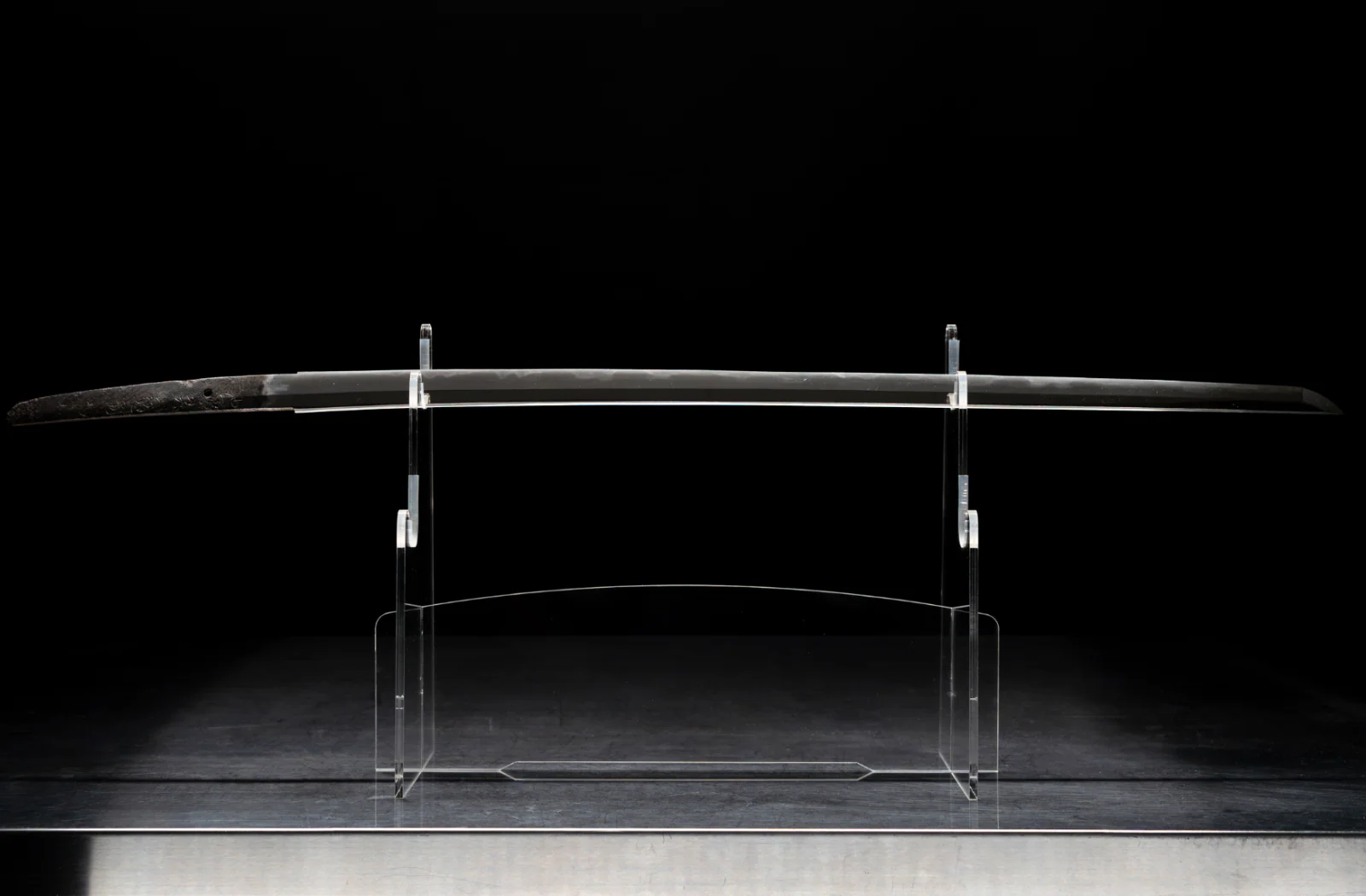
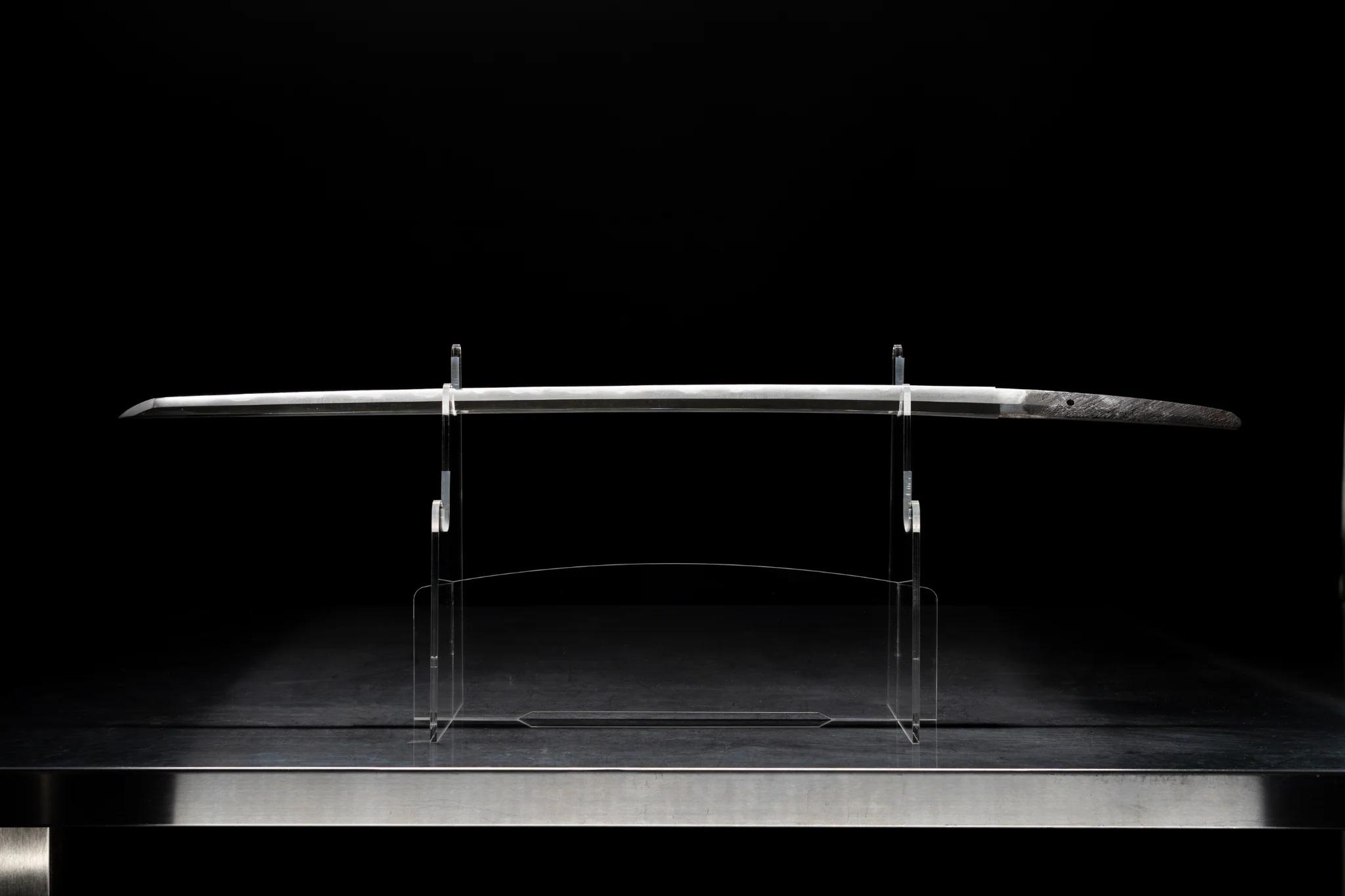
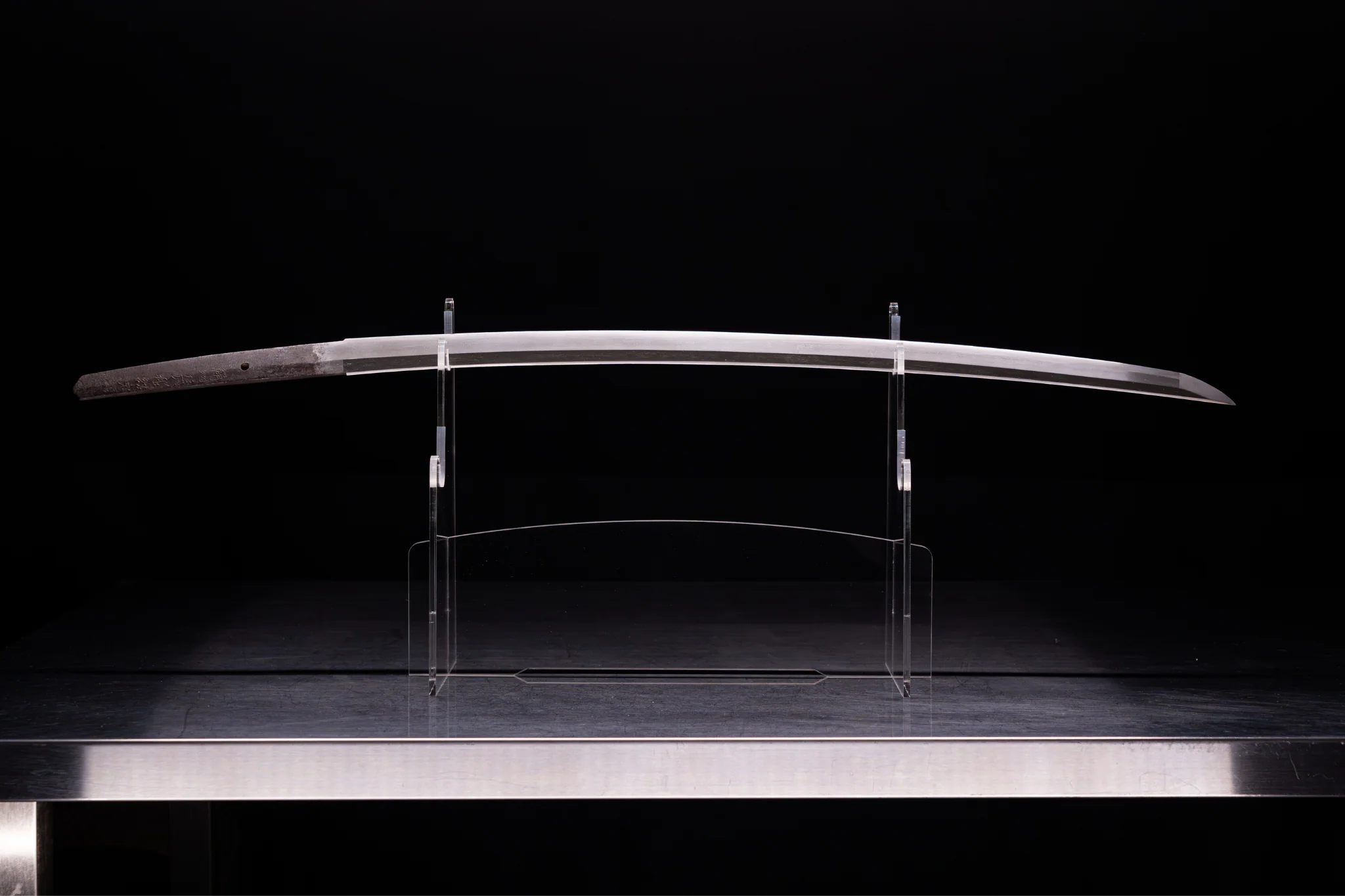
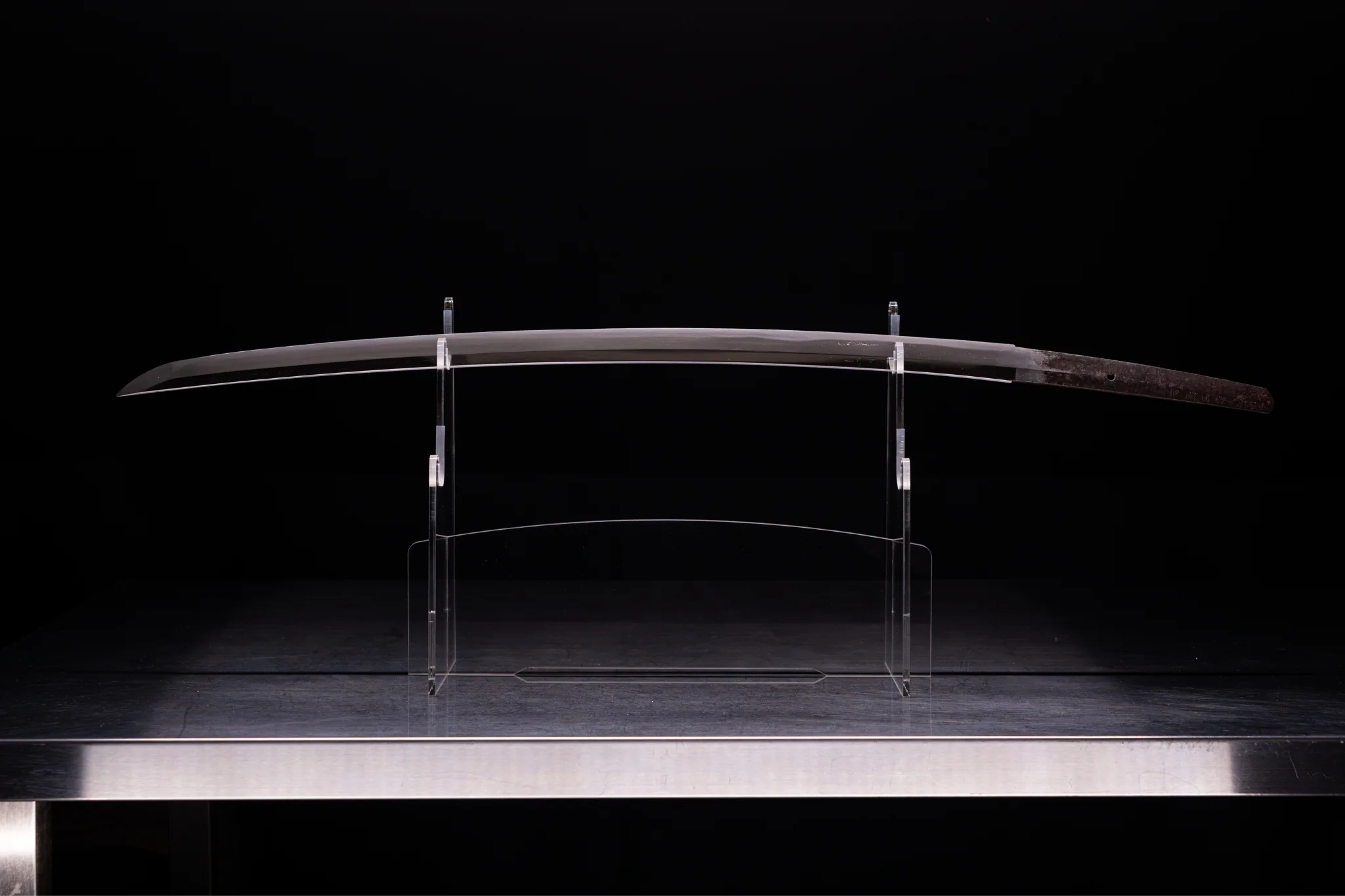
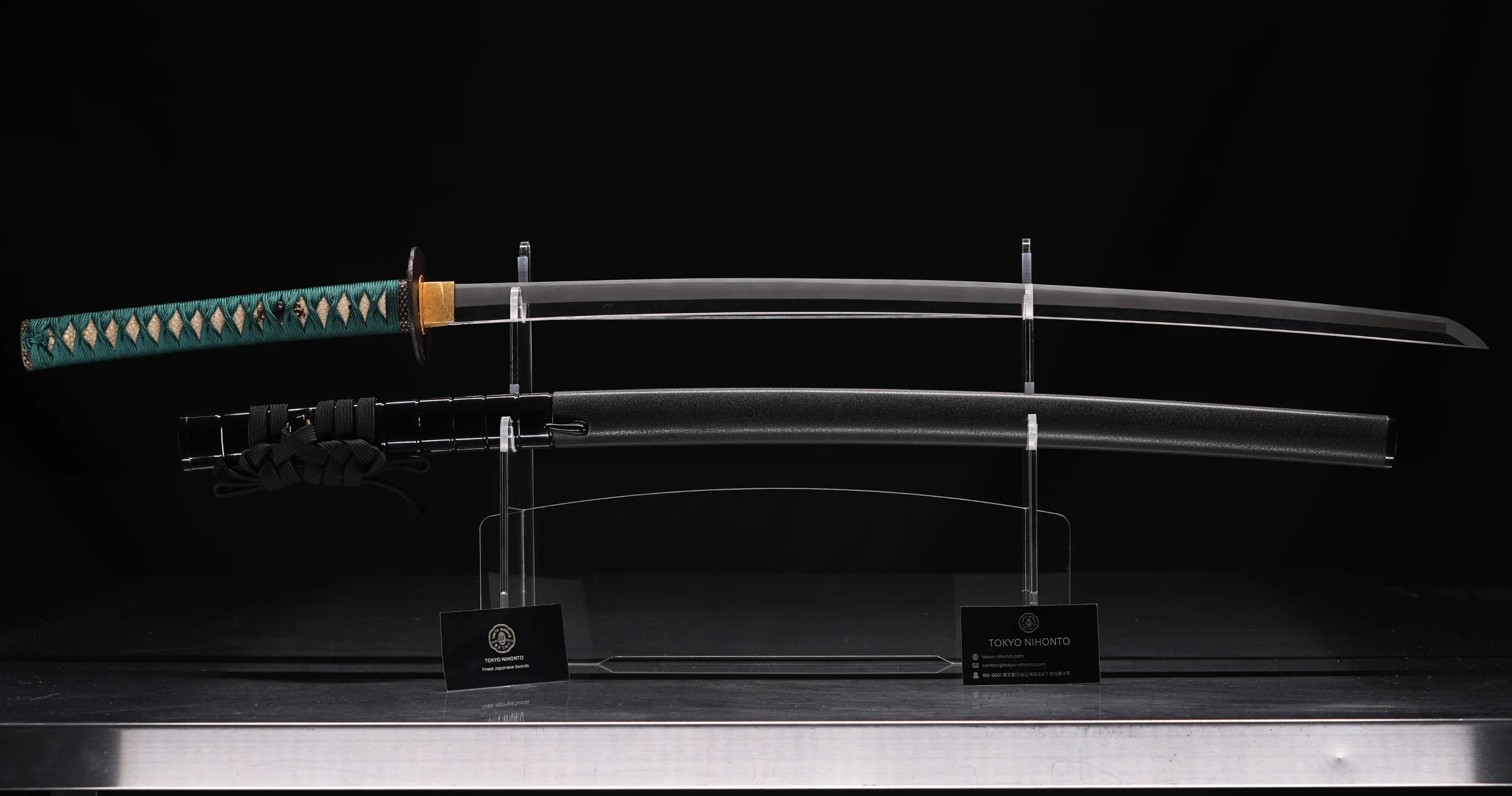
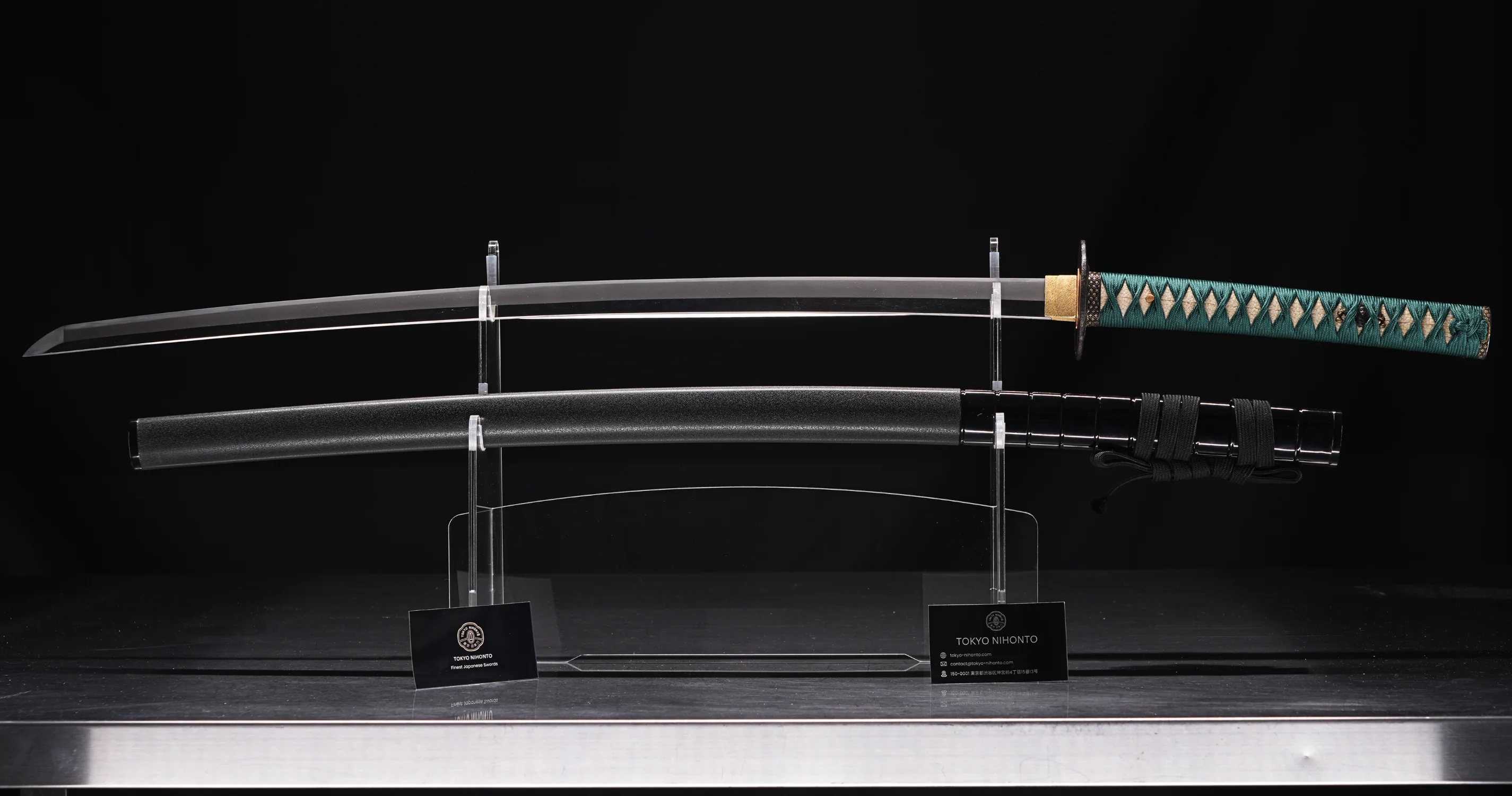
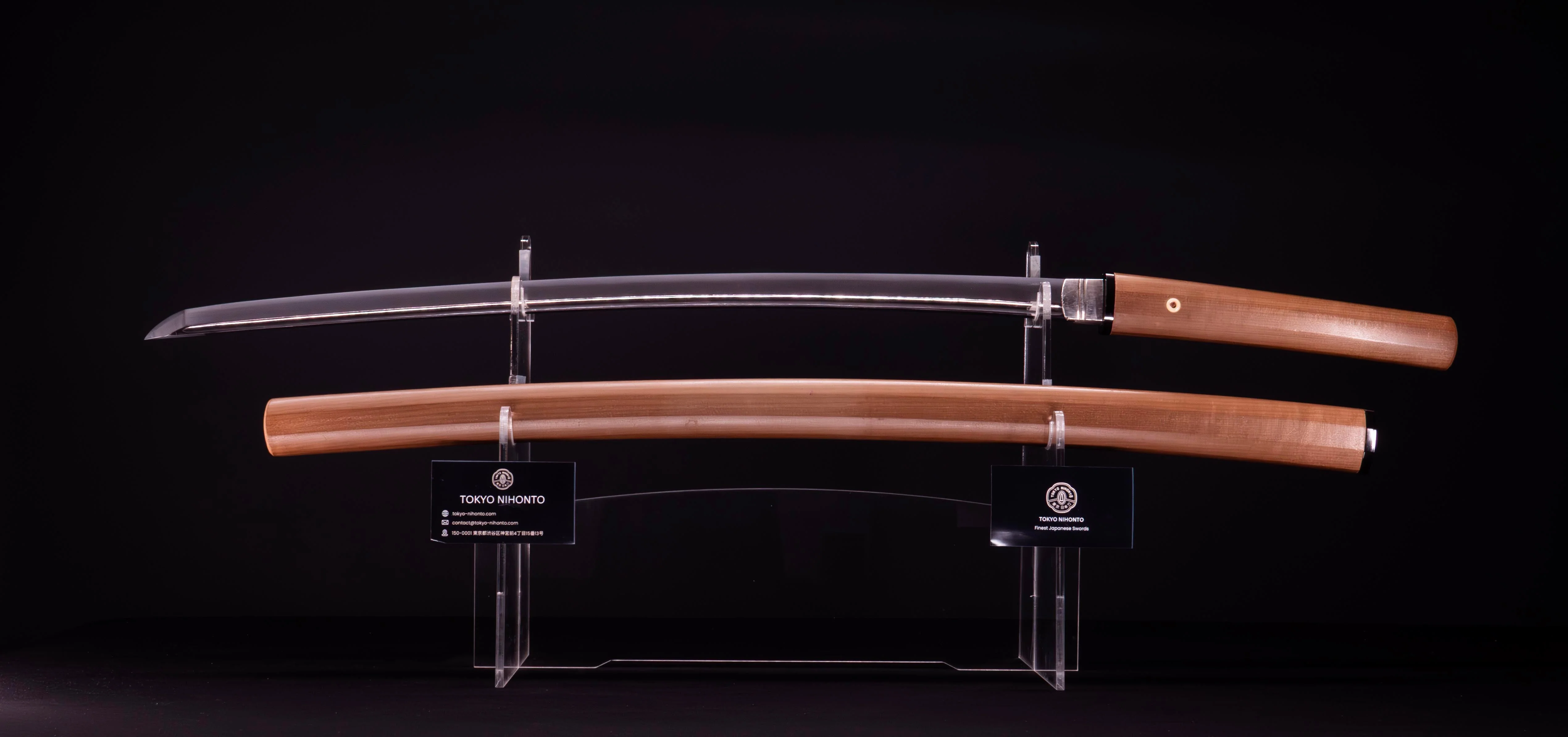
This is an authentic Koto-era (古刀) katana attributed to the Uda School, a renowned sword-making tradition known for producing finely crafted, resilient blades. The sword has been officially designated as a Hozon Token (Preservation Sword) by the NBTHK certifying its historical and artistic value.
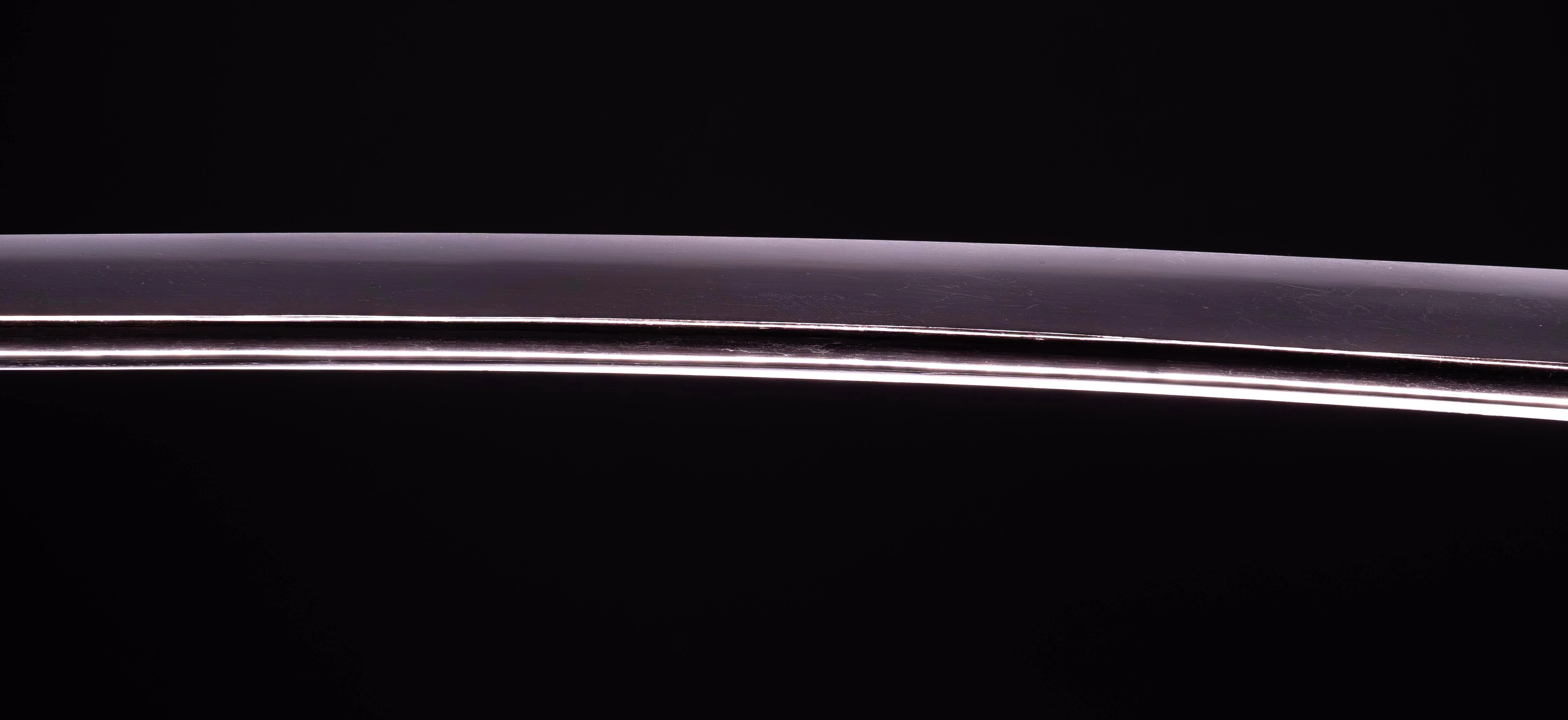
The blade features a bohi , reducing weight while maintaining structural integrity. Expertly polished, the sword retains its cutting ability, making it suitable for iaido, battōjutsu, and tameshigiri.
The craftsmanship of this katana reflects the distinct characteristics of Uda School swords, which originated in the Nanbokuchō to Muromachi periods (14th–16th centuries). The blade exhibits a well-forged hada (steel grain structure), with a balanced curvature (1.5 cm) that enhances both aesthetics and functionality.
Mountings & Special Features
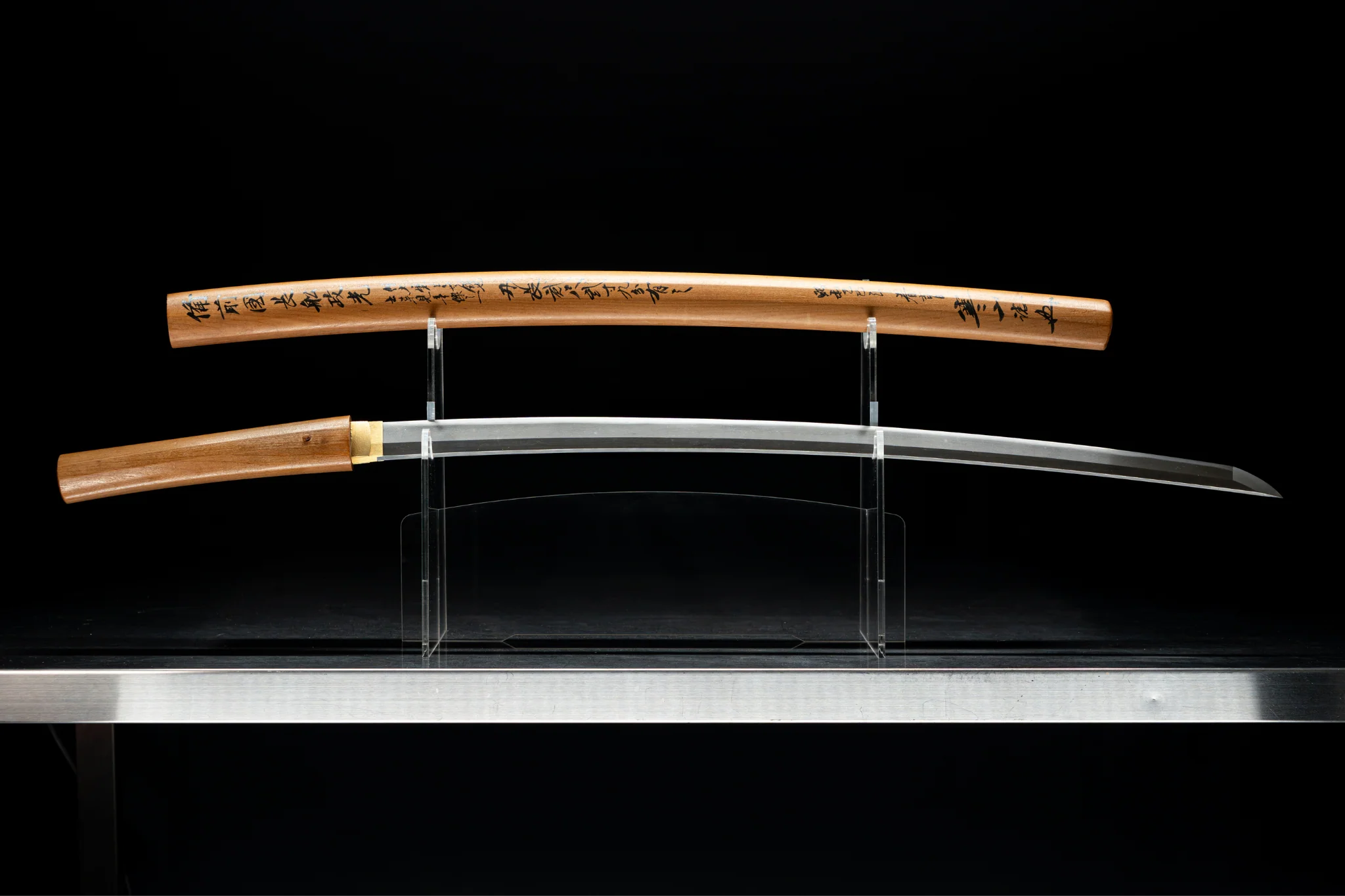
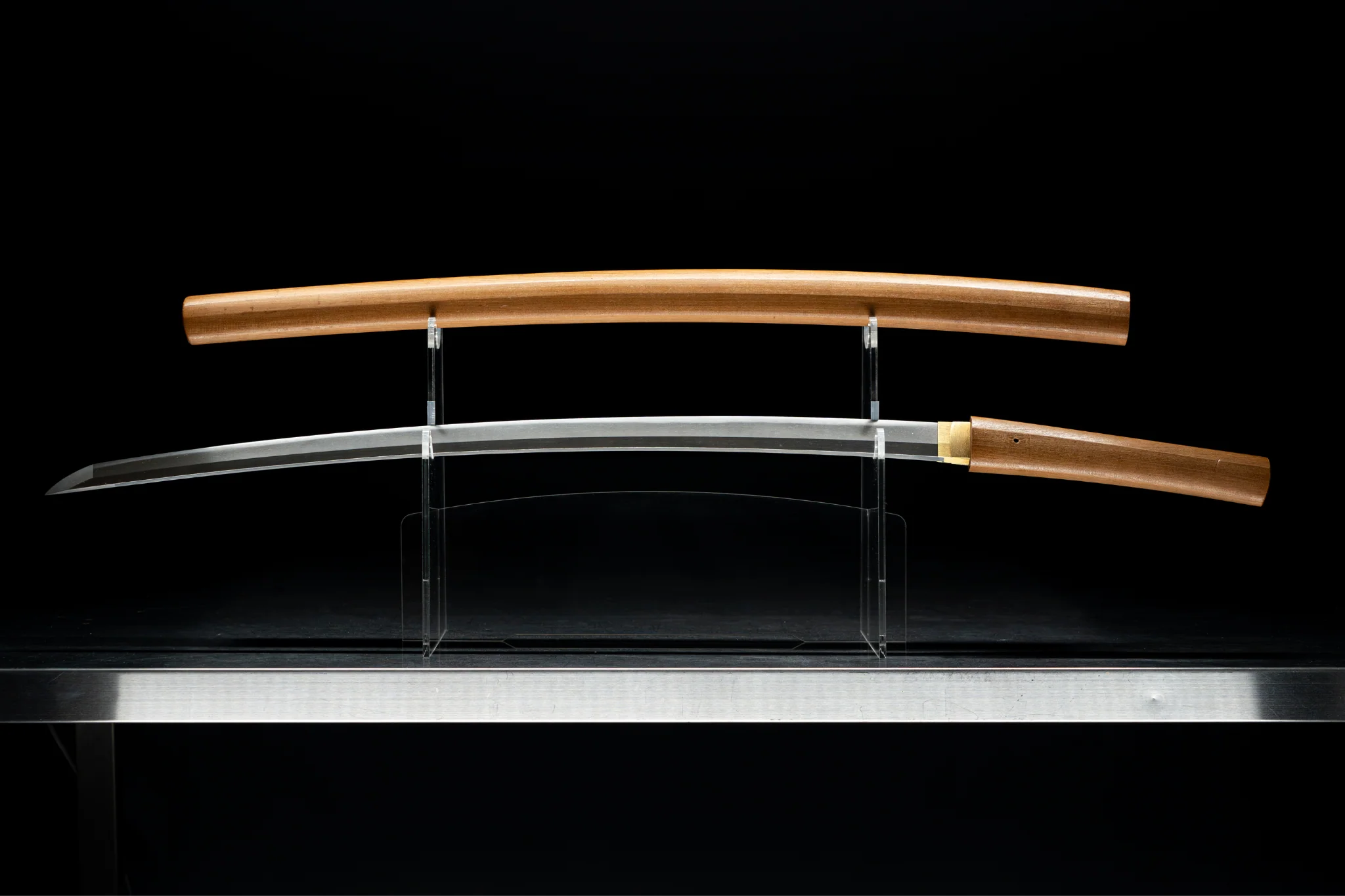
- Shirasaya: Comes in a high-quality, newly crafted white scabbard for preservation.
- Bohi (Groove): Aesthetic and functional fullering, improving handling and reducing weight.
- Condition: Professionally polished, enhancing the visibility of the hamon and steel structure.
About the Uda School
The Uda School originated in Etchū Province (modern-day Toyama Prefecture) and was active from the late Kamakura to Muromachi periods. Uda smiths were known for their strong, practical swords, often featuring a refined itame-hada (wood-grain steel pattern) and an elegant suguha or midare hamon. Their blades were highly regarded by samurai for their durability and cutting performance.
Product Information
Product Information
Shipping & Returns
Shipping & Returns





Antique Japanese Katana Sword by Uda Hirakuni (Hozon)
Antique Japanese Katana Sword by Uda Hirakuni (Hozon)
Sword Specifications
- Maker: Uda Hirakuni
- Mumei
- Period: Late Muromachi
- Certificate: NBTHK Hozon
- Blade Length: 62.0 cm
- Curvature: 1.5 cm
- Width at Base: 2.83 cm
- Width at Tip: 1.82 cm
- Thickness at Base: 7.2 mm
- Thickness at Tip: 5.0 mm
- Blade Weight: 523 g
- Mekugi-ana (Peg Holes): 3
This is an authentic Koto-era (古刀) katana attributed to the Uda School, a renowned sword-making tradition known for producing finely crafted, resilient blades. The sword has been officially designated as a Hozon Token (Preservation Sword) by the NBTHK certifying its historical and artistic value.
The blade features a bohi , reducing weight while maintaining structural integrity. Expertly polished, the sword retains its cutting ability, making it suitable for iaido, battōjutsu, and tameshigiri.
The craftsmanship of this katana reflects the distinct characteristics of Uda School swords, which originated in the Nanbokuchō to Muromachi periods (14th–16th centuries). The blade exhibits a well-forged hada (steel grain structure), with a balanced curvature (1.5 cm) that enhances both aesthetics and functionality.
Mountings & Special Features
- Shirasaya: Comes in a high-quality, newly crafted white scabbard for preservation.
- Bohi (Groove): Aesthetic and functional fullering, improving handling and reducing weight.
- Condition: Professionally polished, enhancing the visibility of the hamon and steel structure.
About the Uda School
The Uda School originated in Etchū Province (modern-day Toyama Prefecture) and was active from the late Kamakura to Muromachi periods. Uda smiths were known for their strong, practical swords, often featuring a refined itame-hada (wood-grain steel pattern) and an elegant suguha or midare hamon. Their blades were highly regarded by samurai for their durability and cutting performance.
Product Information
Product Information
Shipping & Returns
Shipping & Returns
Description
Sword Specifications
- Maker: Uda Hirakuni
- Mumei
- Period: Late Muromachi
- Certificate: NBTHK Hozon
- Blade Length: 62.0 cm
- Curvature: 1.5 cm
- Width at Base: 2.83 cm
- Width at Tip: 1.82 cm
- Thickness at Base: 7.2 mm
- Thickness at Tip: 5.0 mm
- Blade Weight: 523 g
- Mekugi-ana (Peg Holes): 3
This is an authentic Koto-era (古刀) katana attributed to the Uda School, a renowned sword-making tradition known for producing finely crafted, resilient blades. The sword has been officially designated as a Hozon Token (Preservation Sword) by the NBTHK certifying its historical and artistic value.
The blade features a bohi , reducing weight while maintaining structural integrity. Expertly polished, the sword retains its cutting ability, making it suitable for iaido, battōjutsu, and tameshigiri.
The craftsmanship of this katana reflects the distinct characteristics of Uda School swords, which originated in the Nanbokuchō to Muromachi periods (14th–16th centuries). The blade exhibits a well-forged hada (steel grain structure), with a balanced curvature (1.5 cm) that enhances both aesthetics and functionality.
Mountings & Special Features
- Shirasaya: Comes in a high-quality, newly crafted white scabbard for preservation.
- Bohi (Groove): Aesthetic and functional fullering, improving handling and reducing weight.
- Condition: Professionally polished, enhancing the visibility of the hamon and steel structure.
About the Uda School
The Uda School originated in Etchū Province (modern-day Toyama Prefecture) and was active from the late Kamakura to Muromachi periods. Uda smiths were known for their strong, practical swords, often featuring a refined itame-hada (wood-grain steel pattern) and an elegant suguha or midare hamon. Their blades were highly regarded by samurai for their durability and cutting performance.