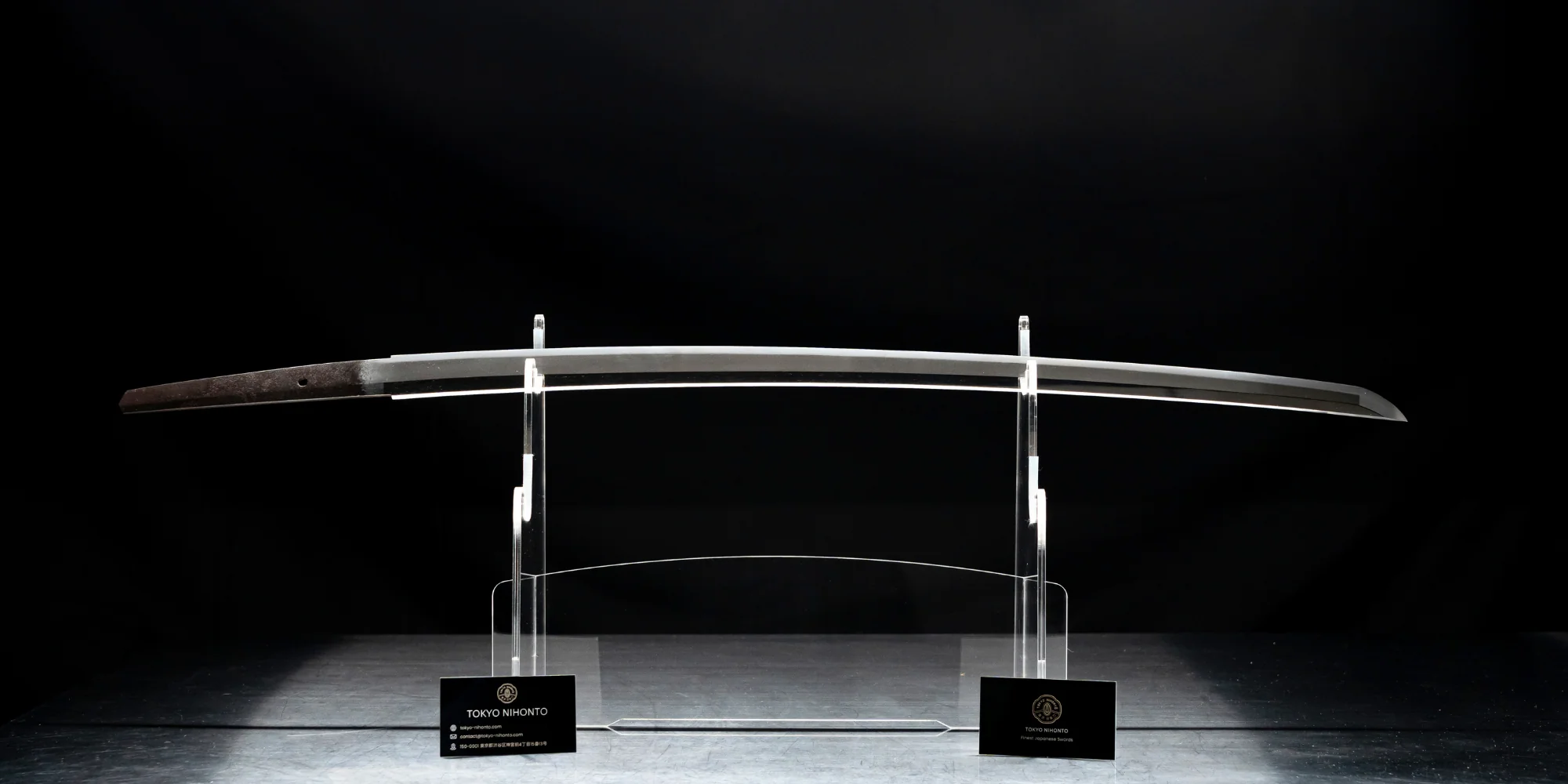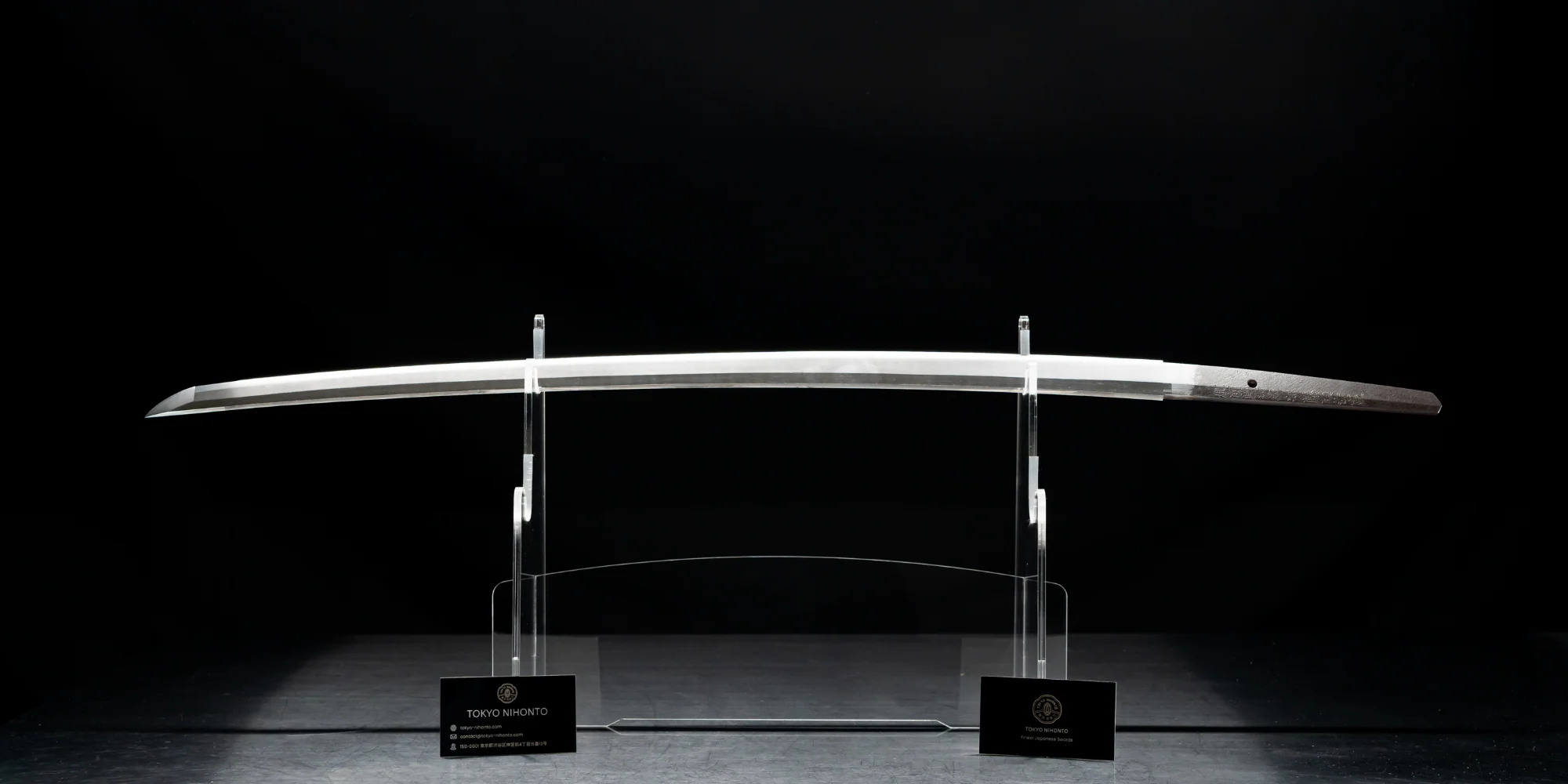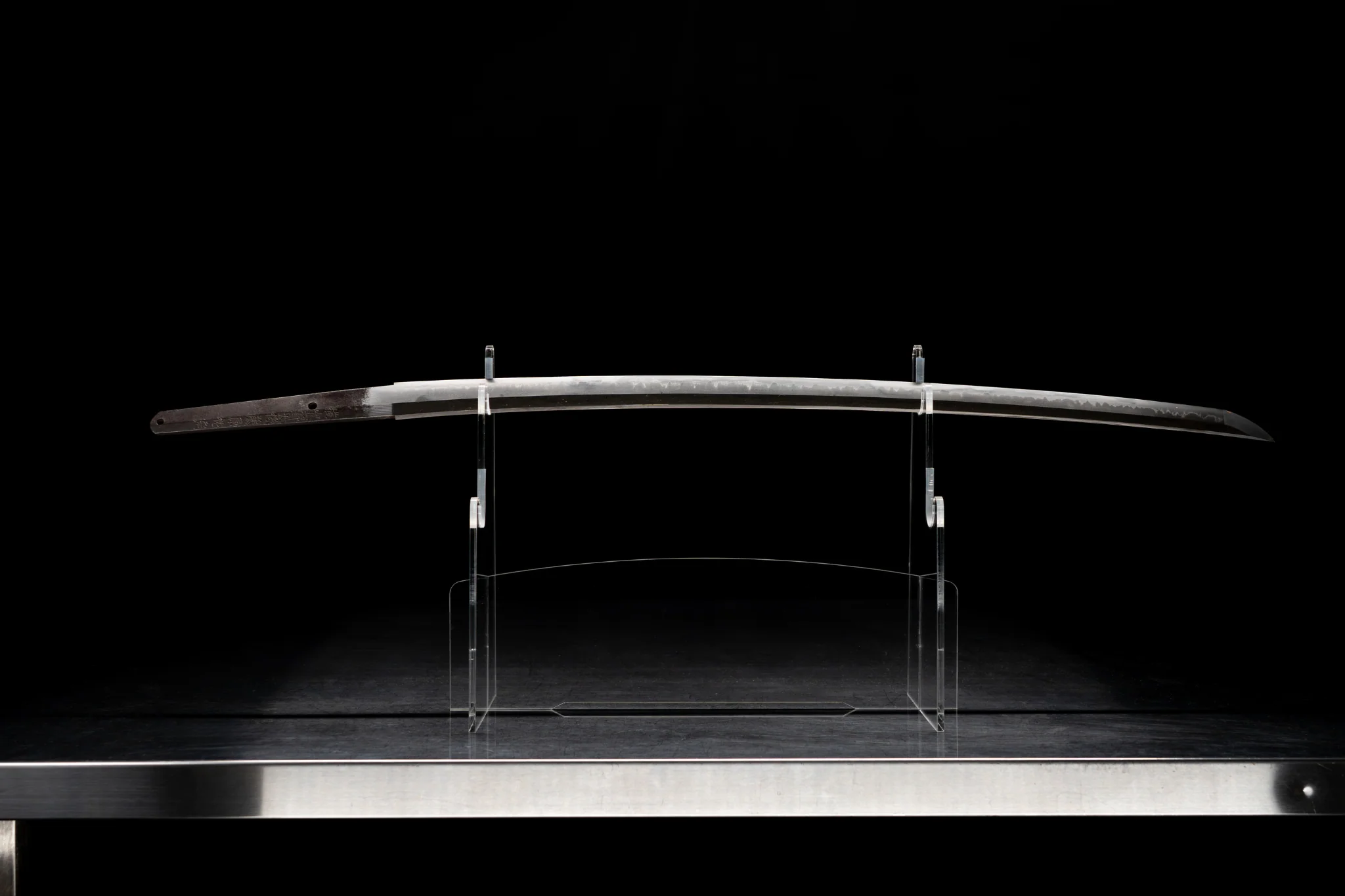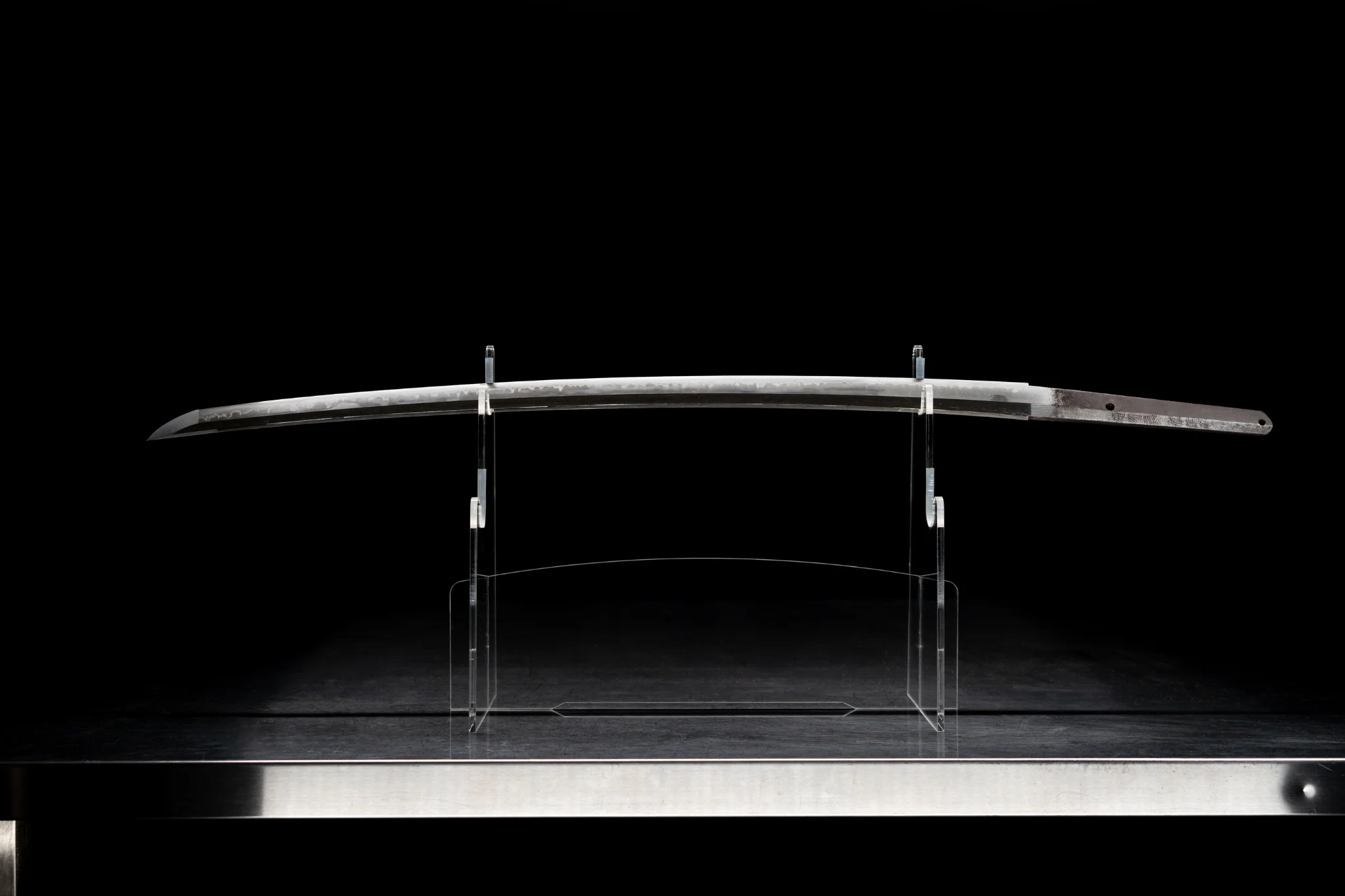
Antique Japanese Katana Sword by Ishido School - NBTHK Hozon
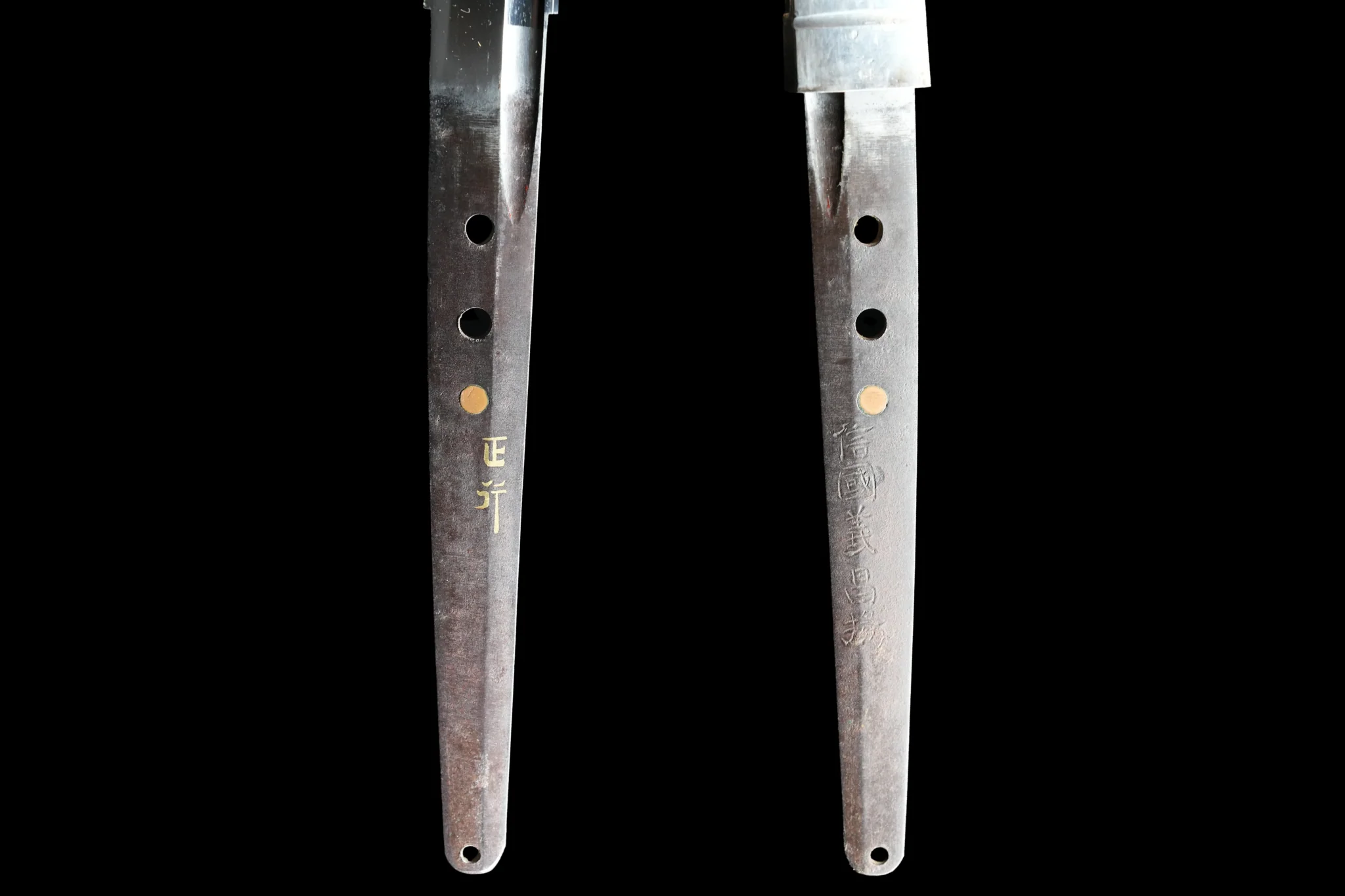
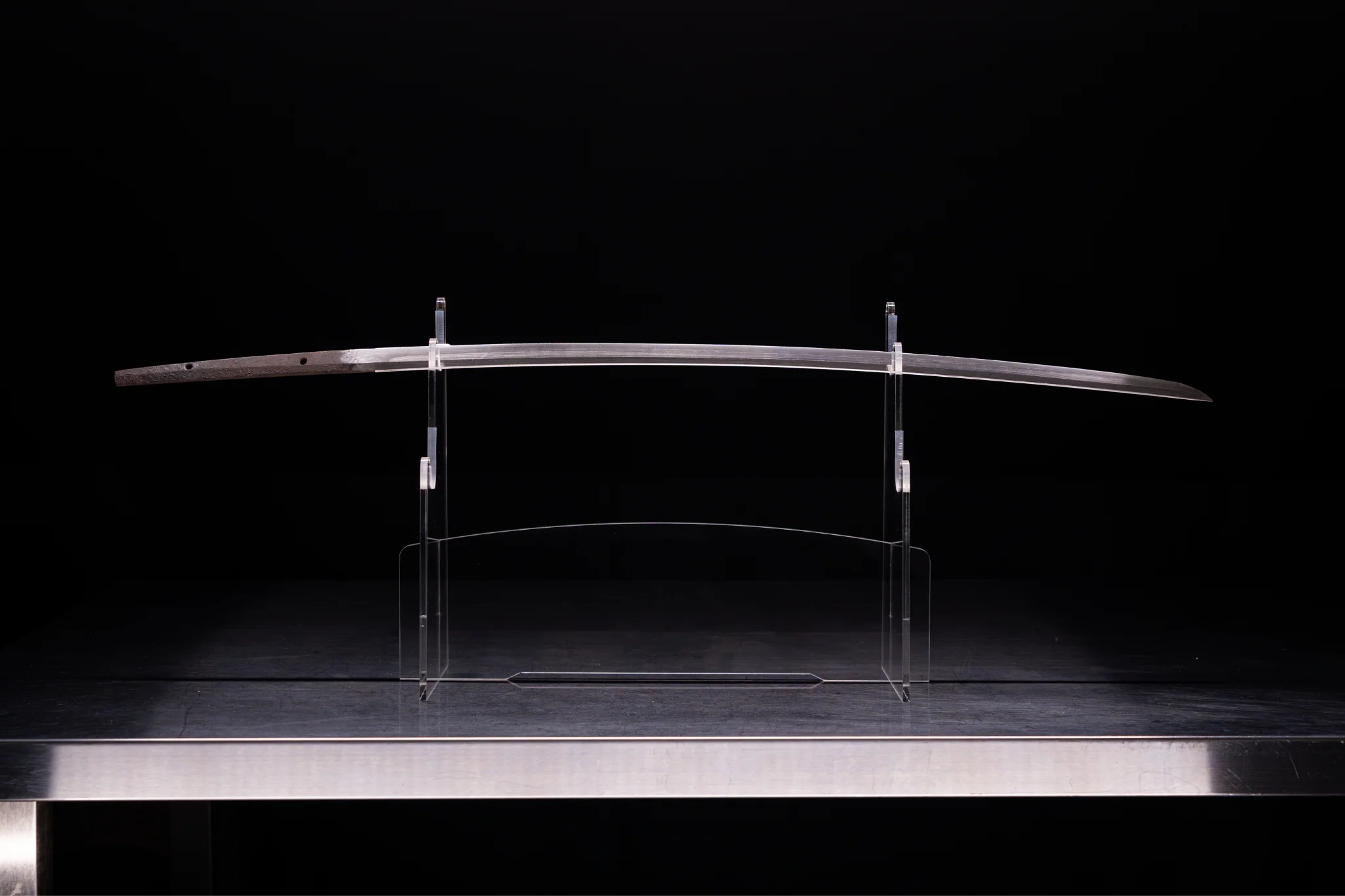
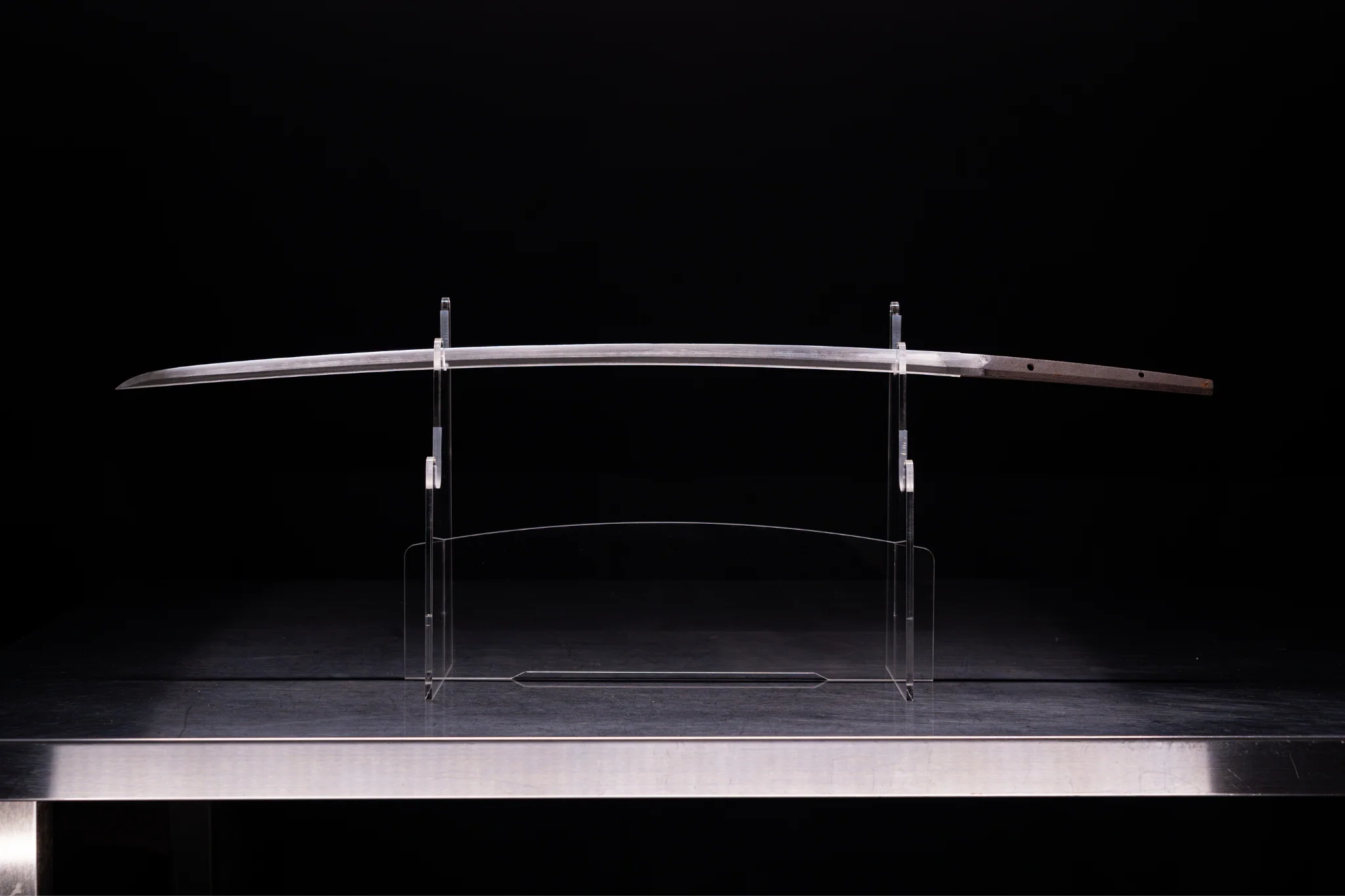
- Signature (Mei): 無銘(石堂) Mumei (Attributed to Ishidō)
- Swordsmith: Ishidō School
- School / Tradition: Bizen-den (Edo Ishidō lineage)
- Period / Province: Early Edo Period (Shinto) / Musashi Province (Edo)
- Certificate: NBTHK Hozon (保存刀剣)
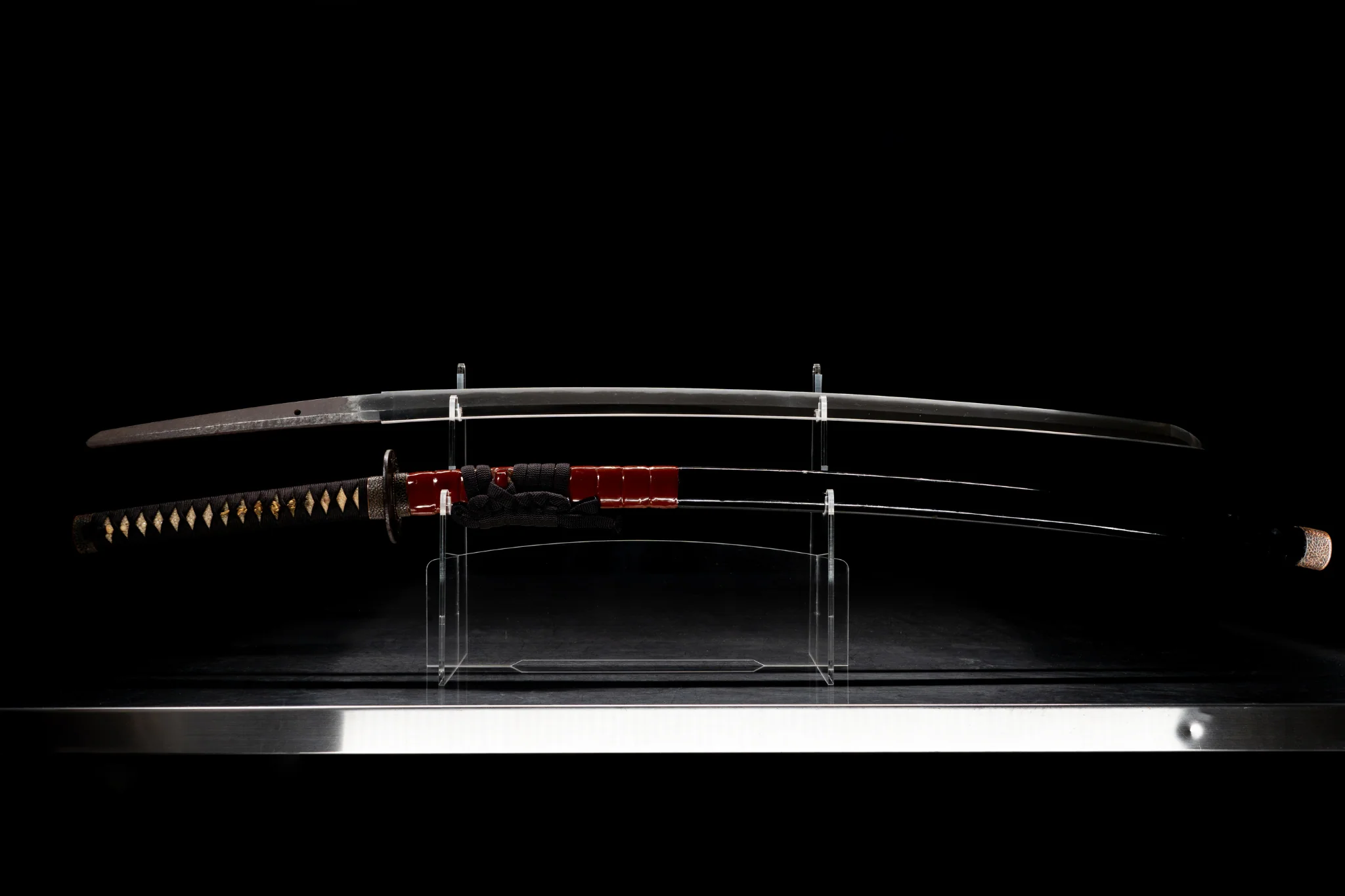
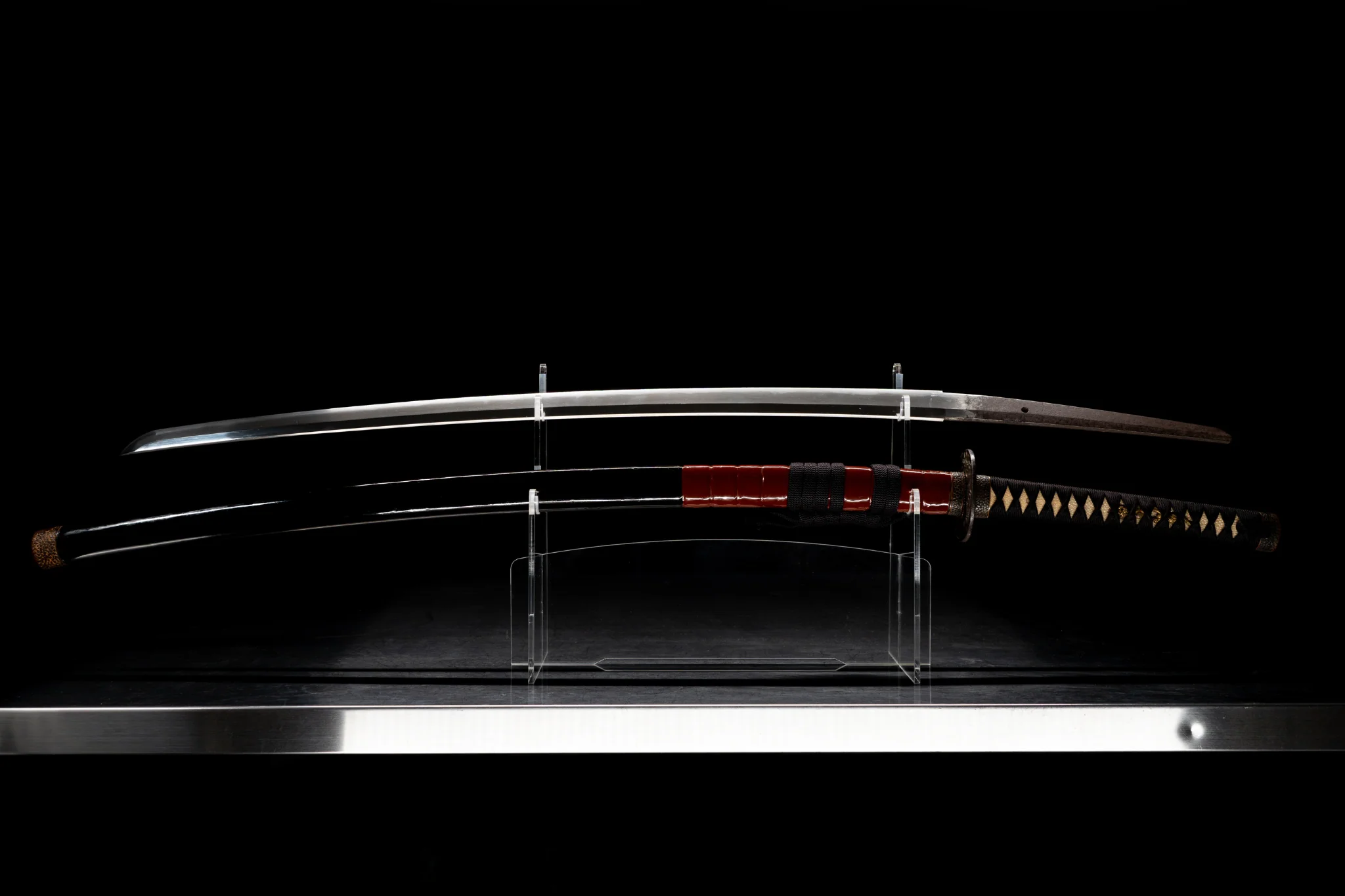
- Mounting: High-quality Koshirae and Shirasaya
- Blade Length (Nagasa): 71.0 cm
- Curvature (Sori): 2.2 cm
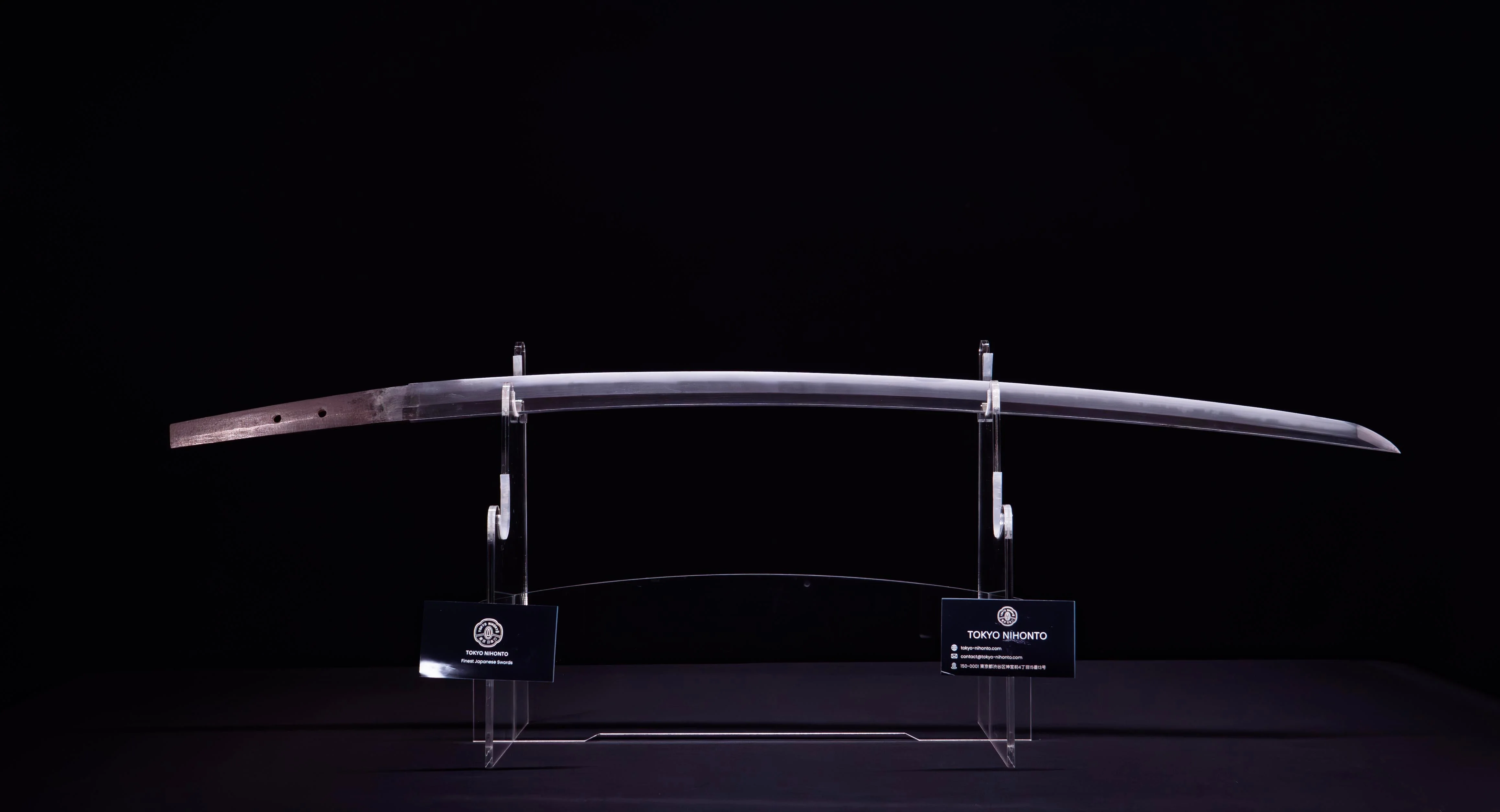
- Mekugi-ana: 2
- Shape: Shinogi-zukuri with a deep, elegant curvature
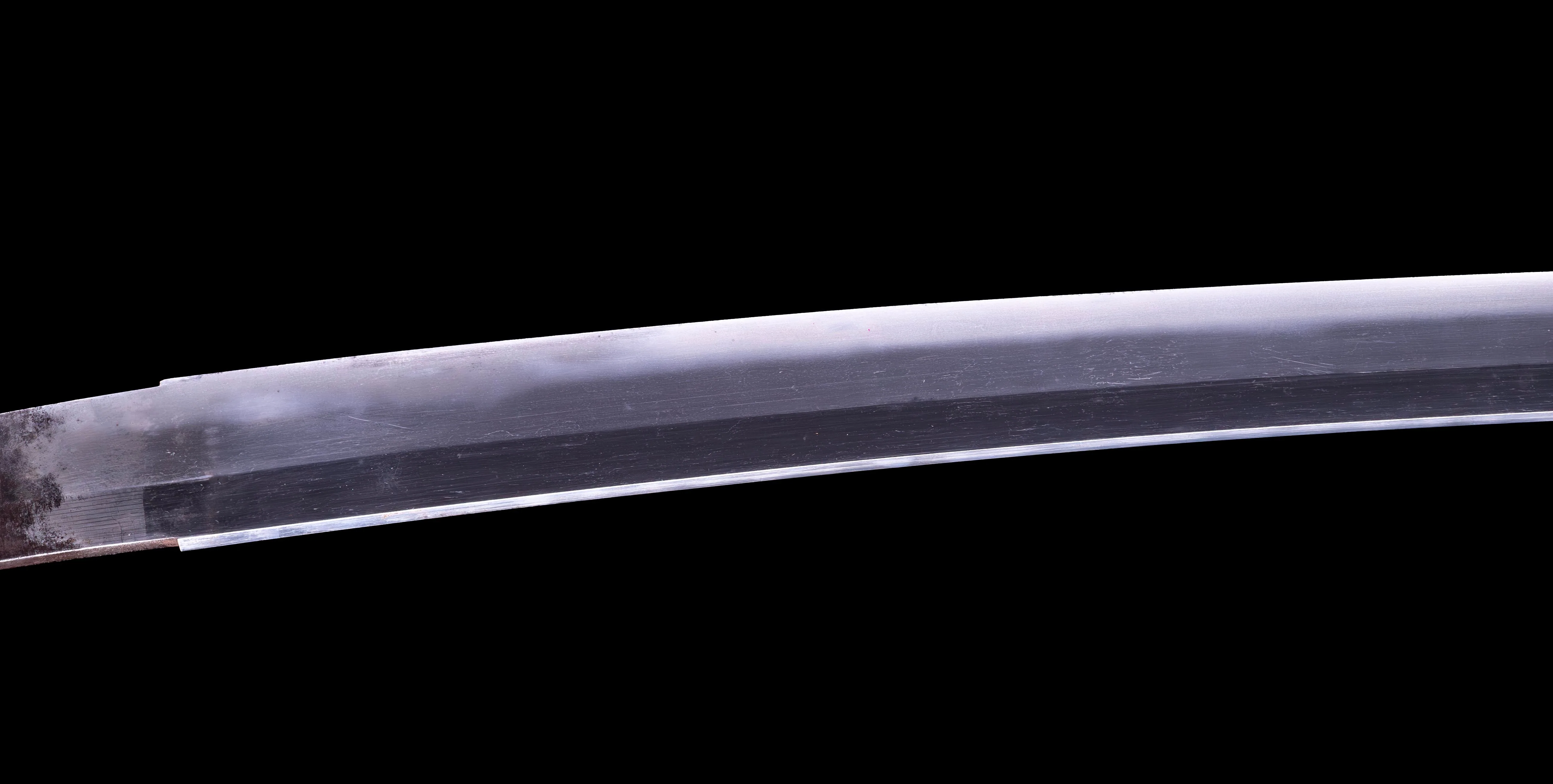
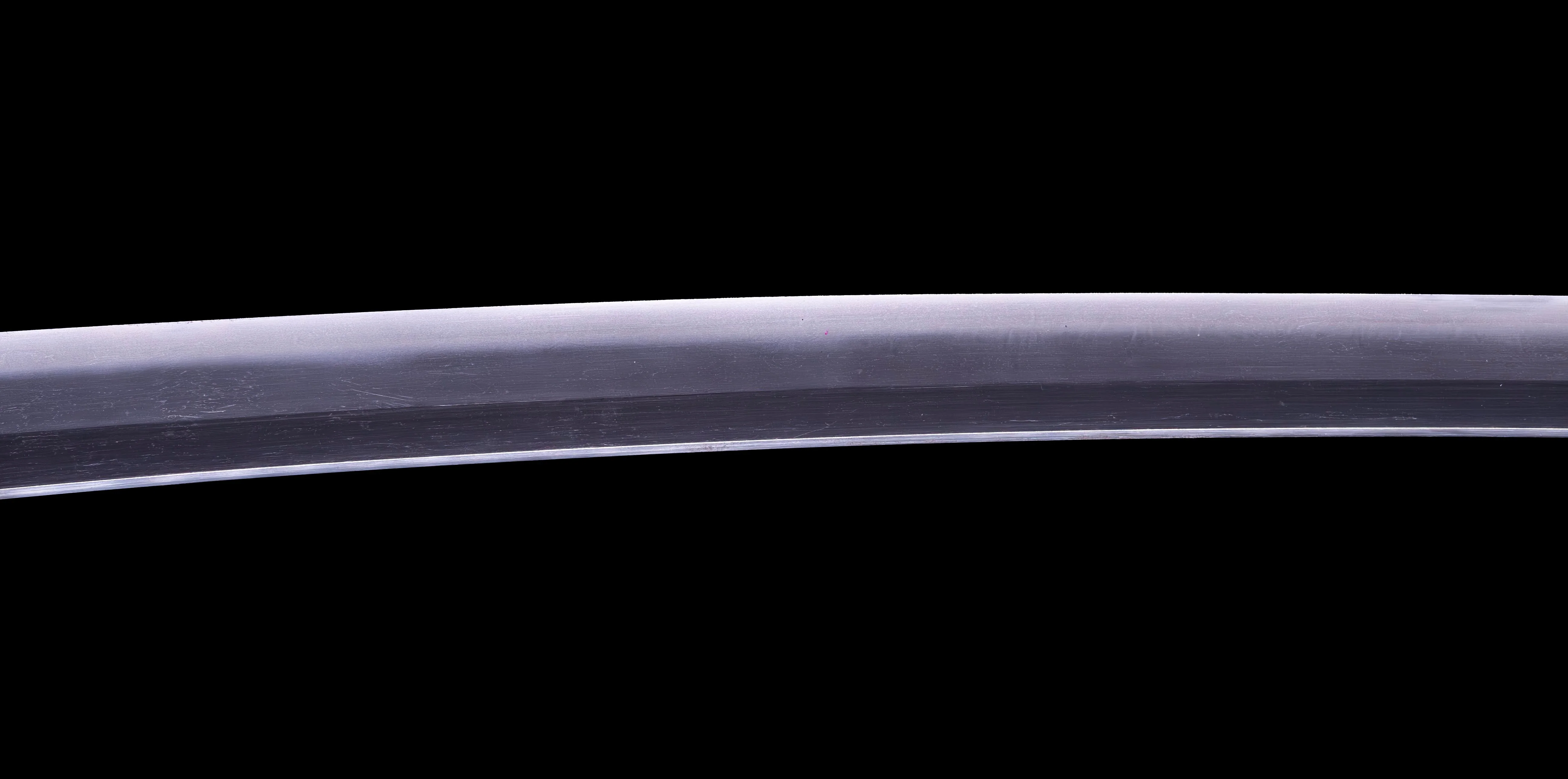
- Jihada: Fine Itame-hada with Mokume-nagare
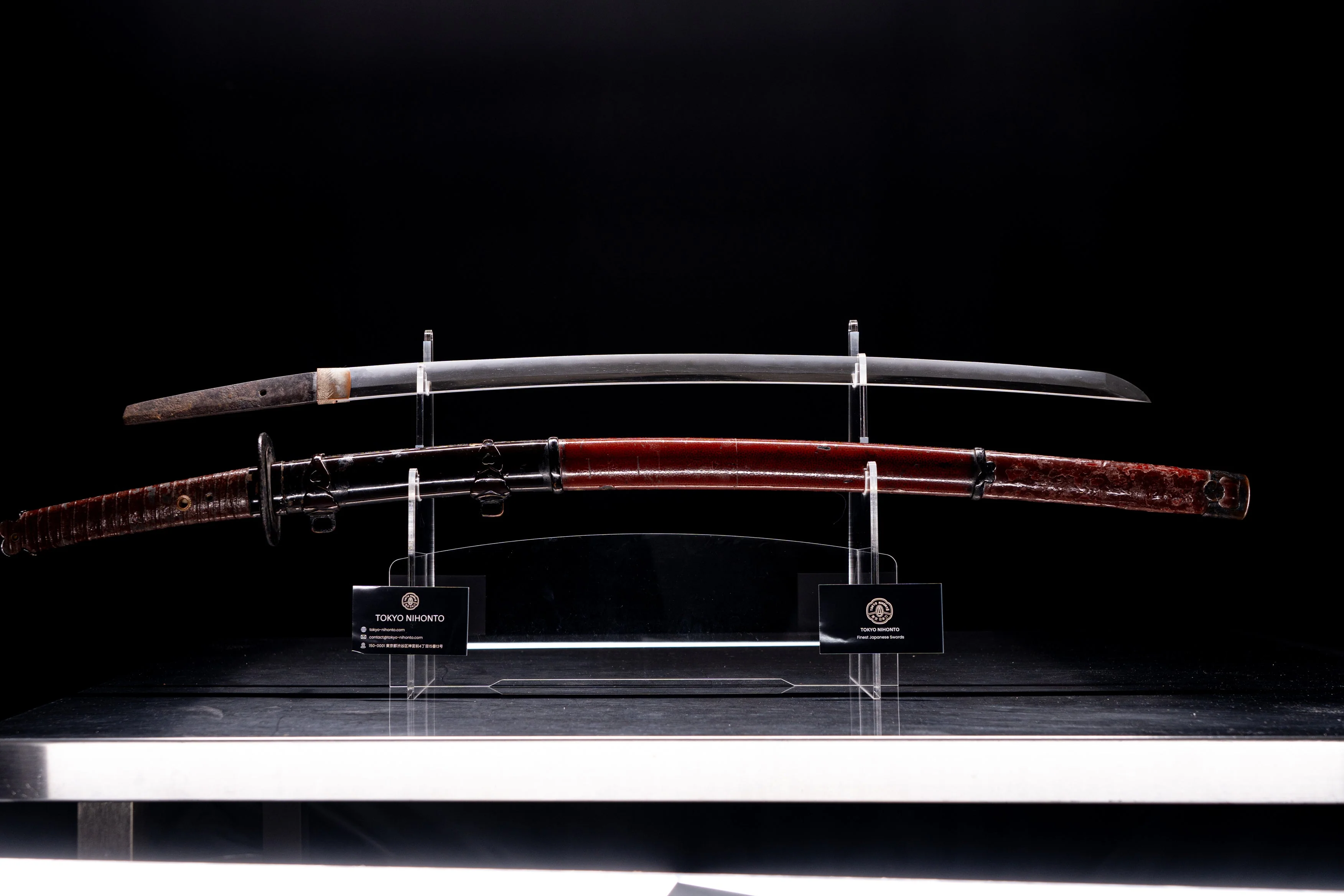
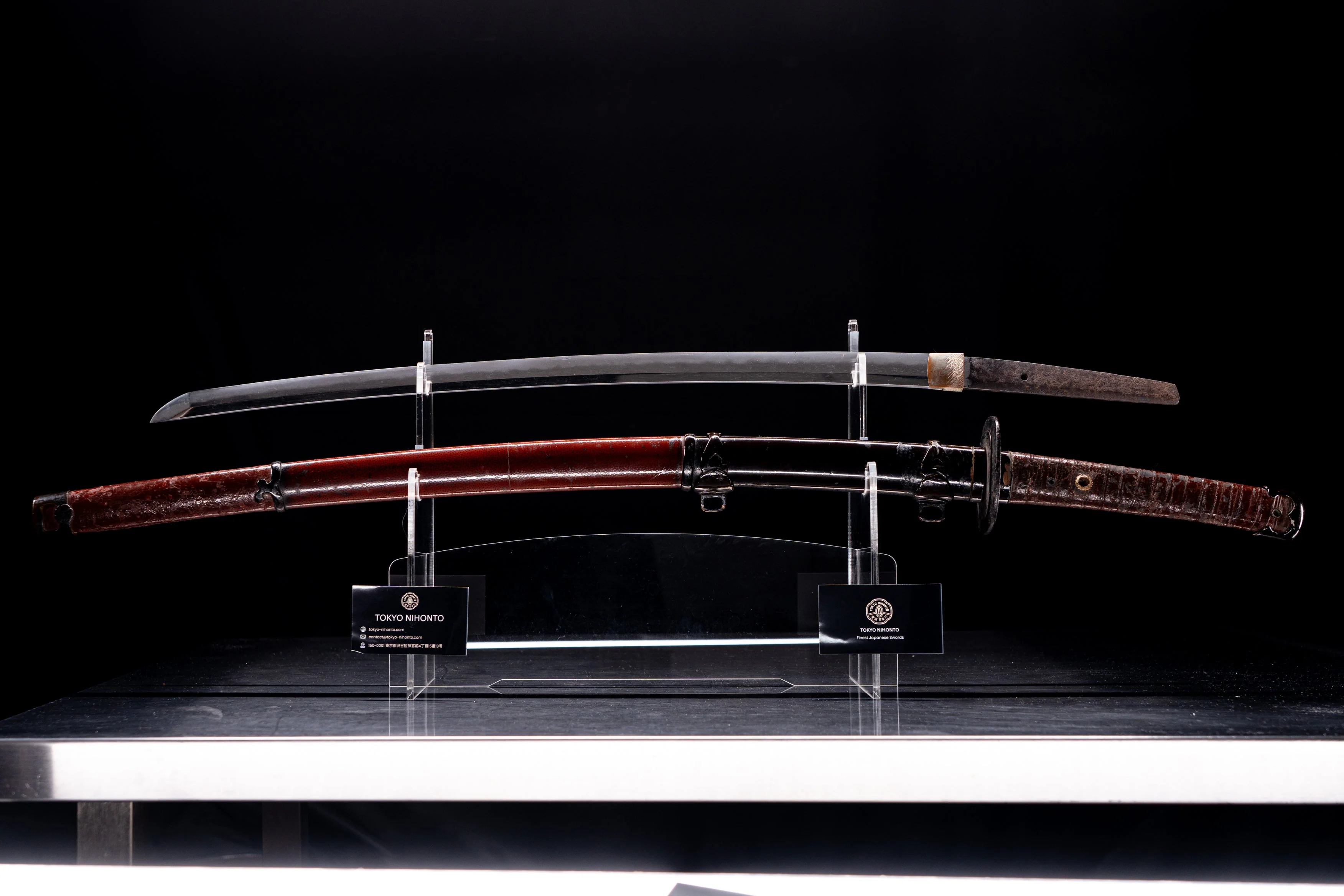
- Hamon: Vibrant Choji-midare with active Ashi and a bright Nioikuchi
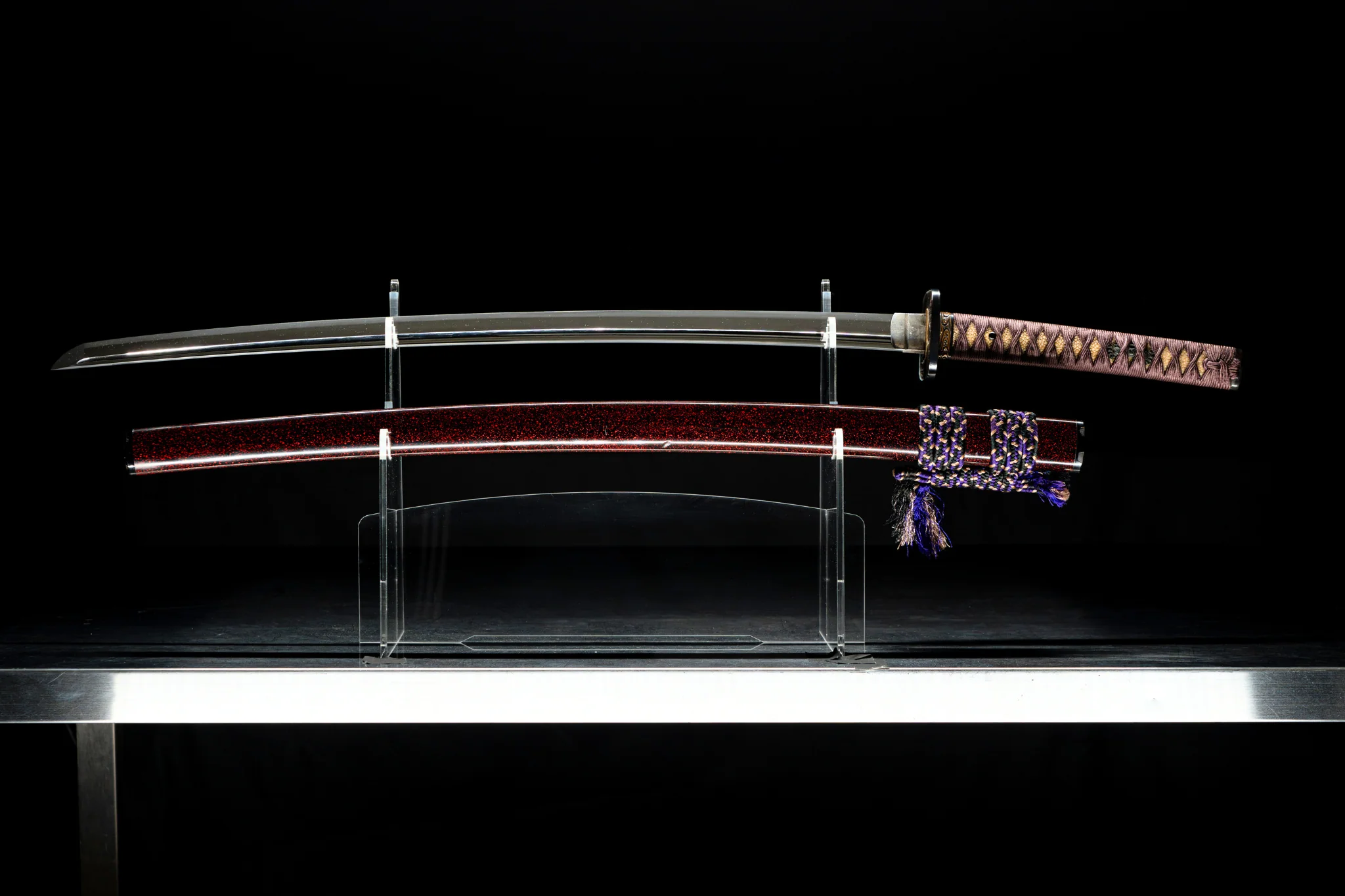
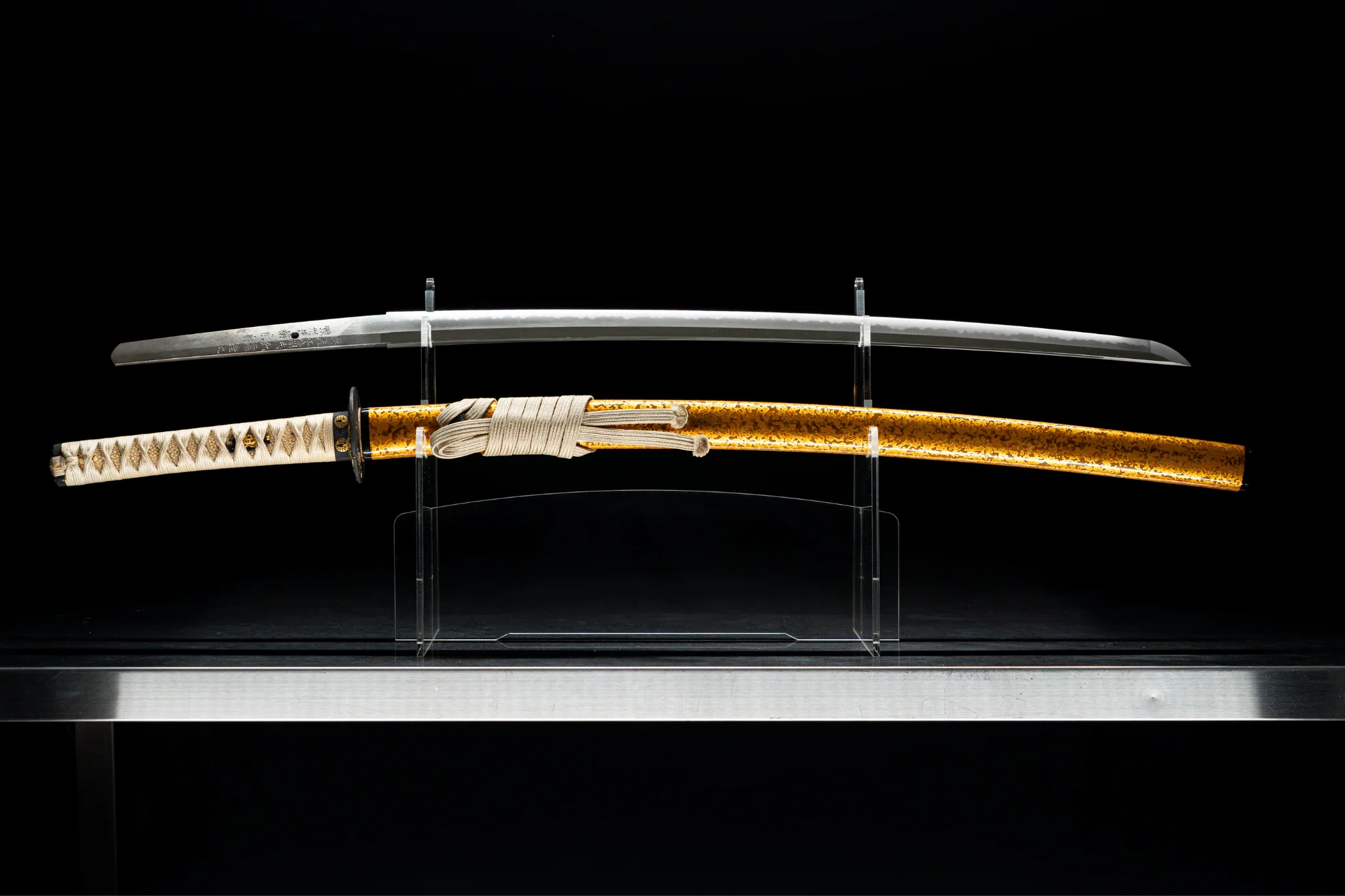
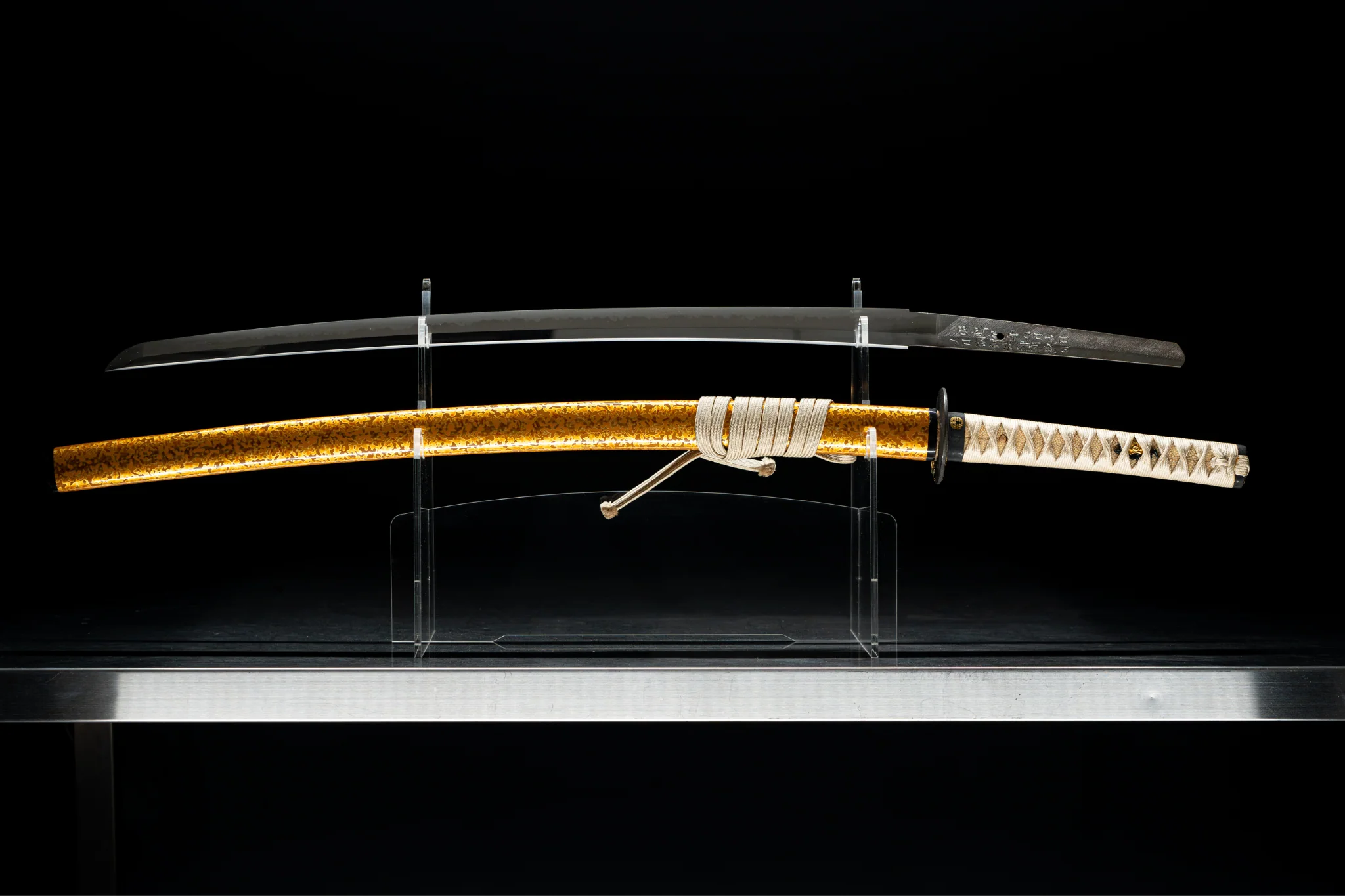
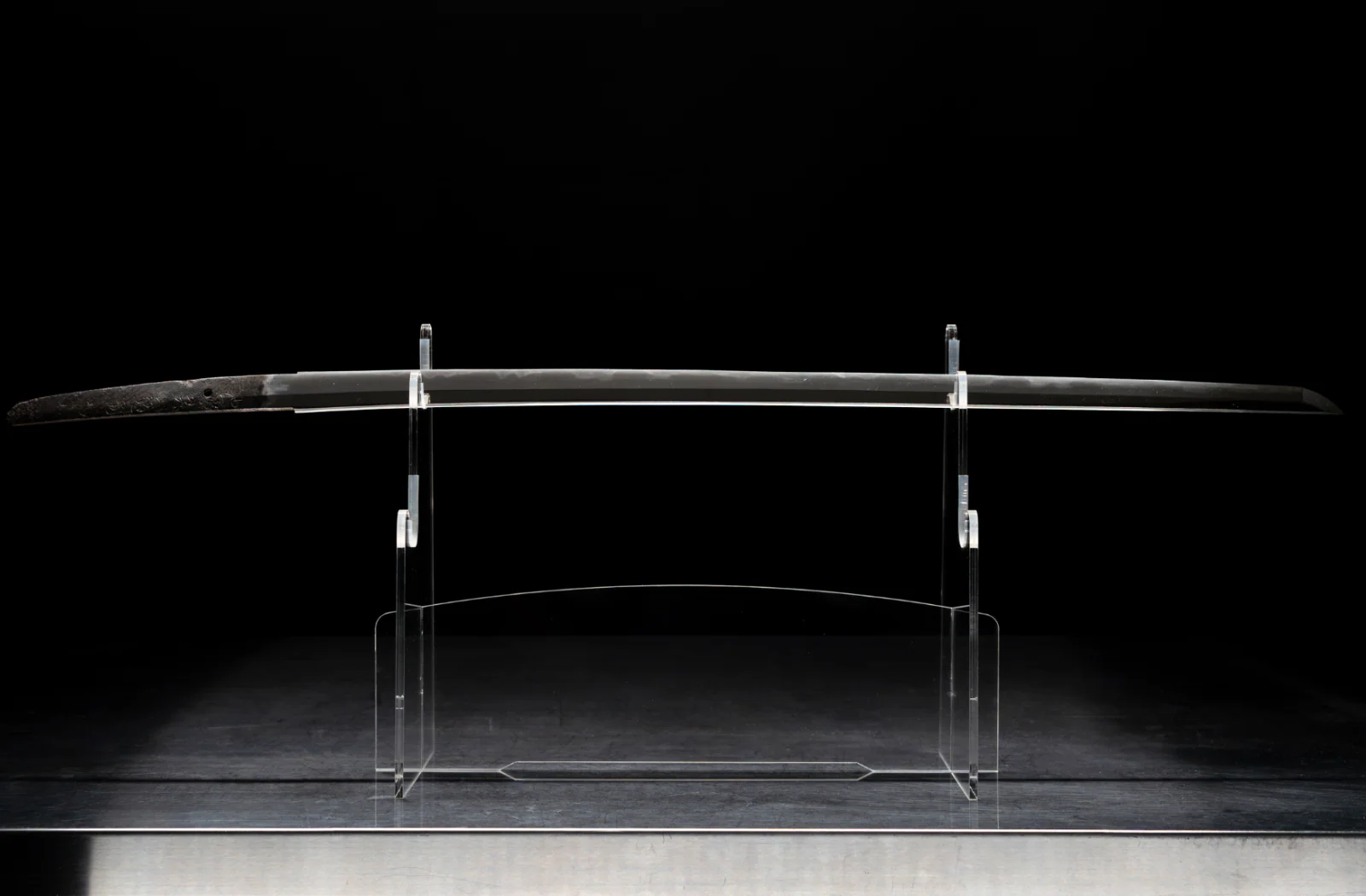
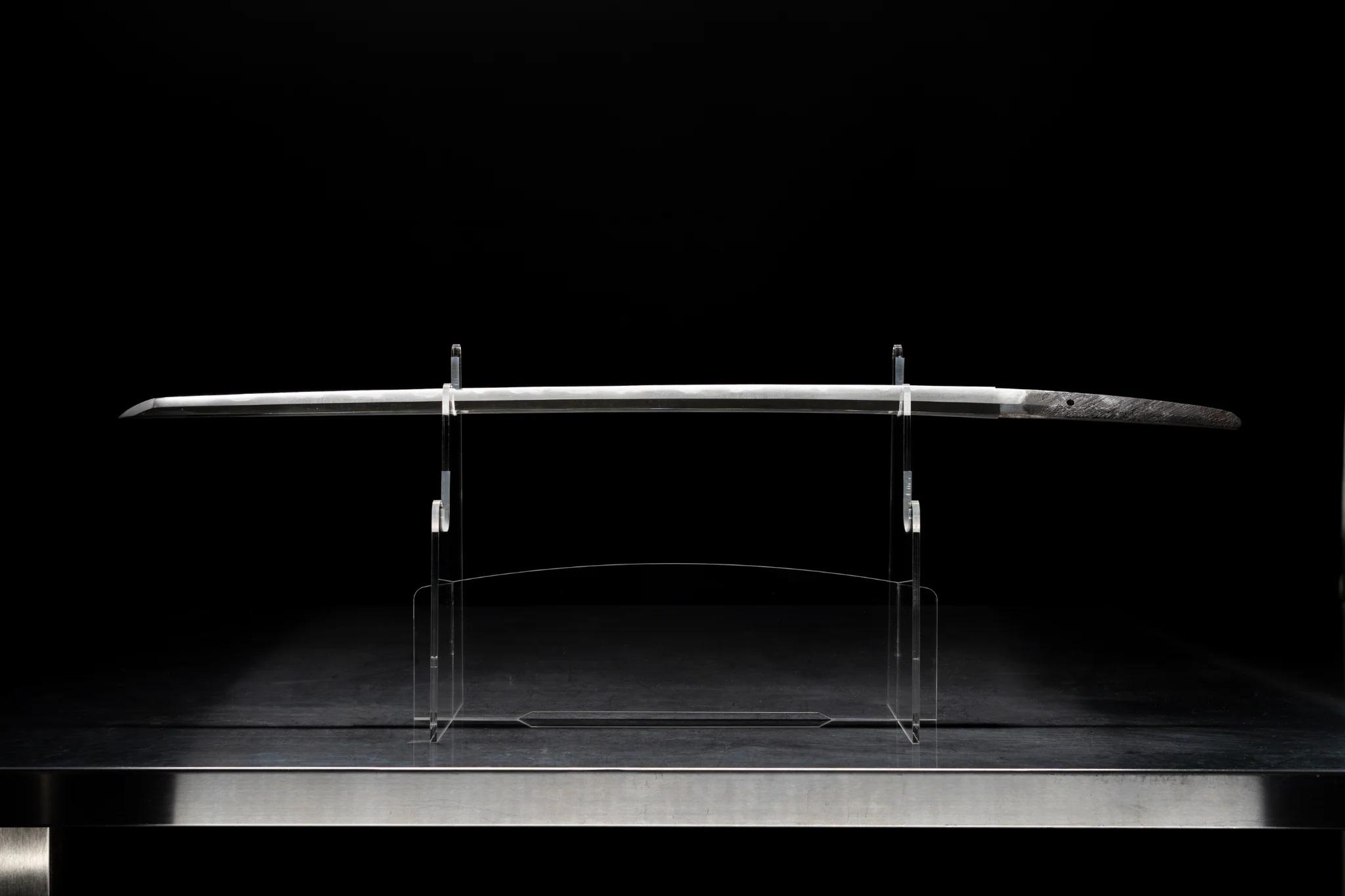
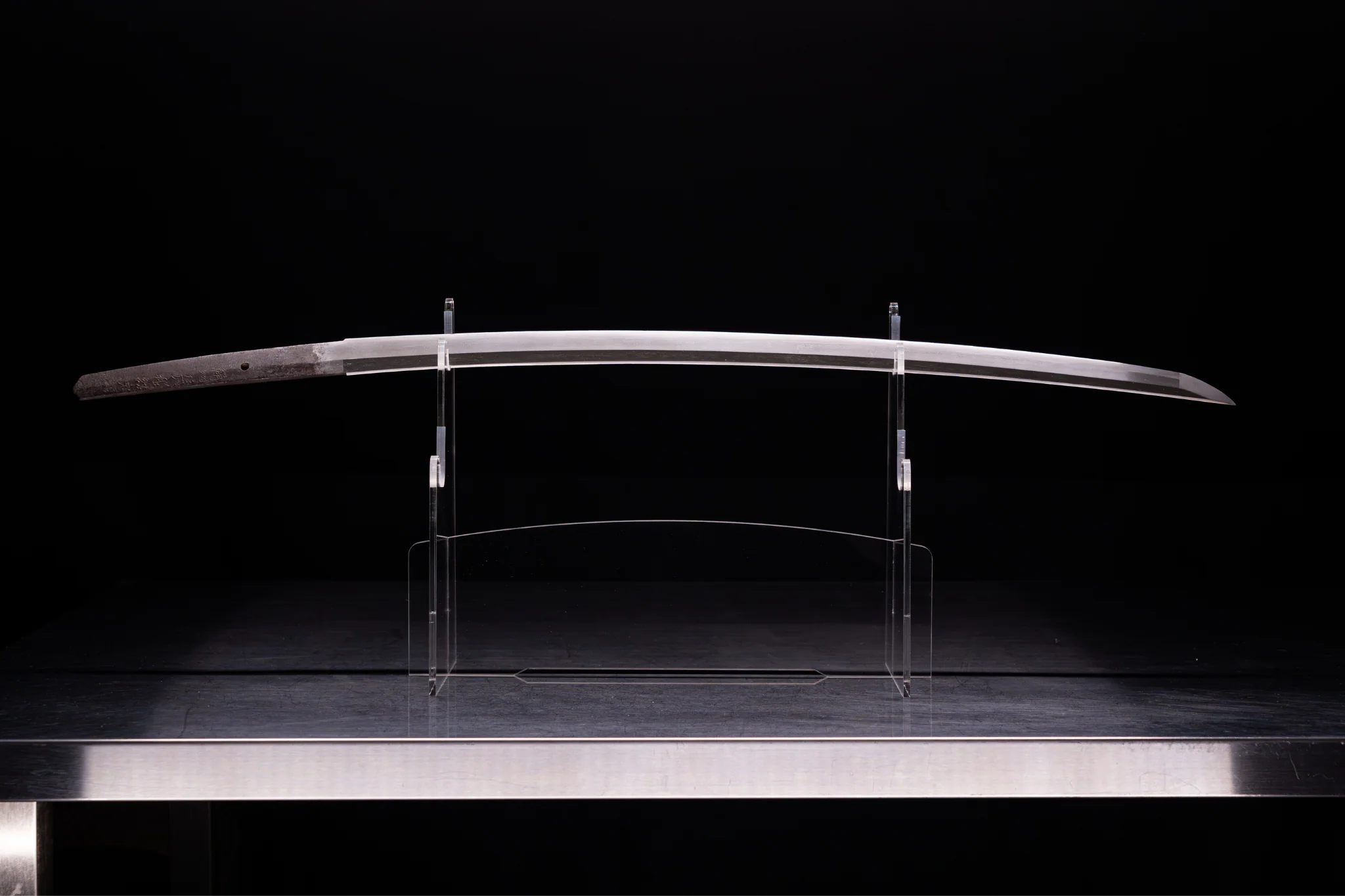
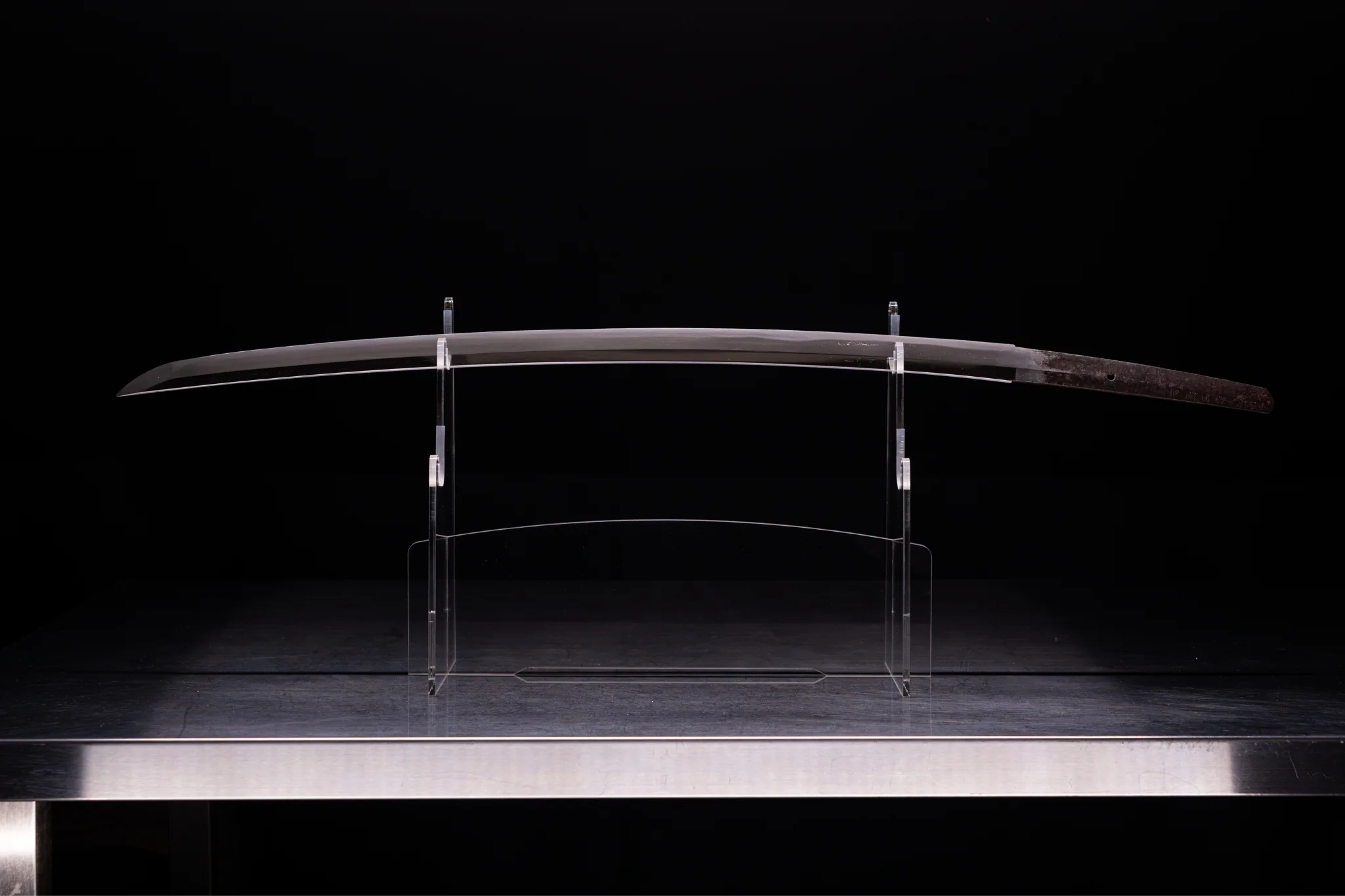
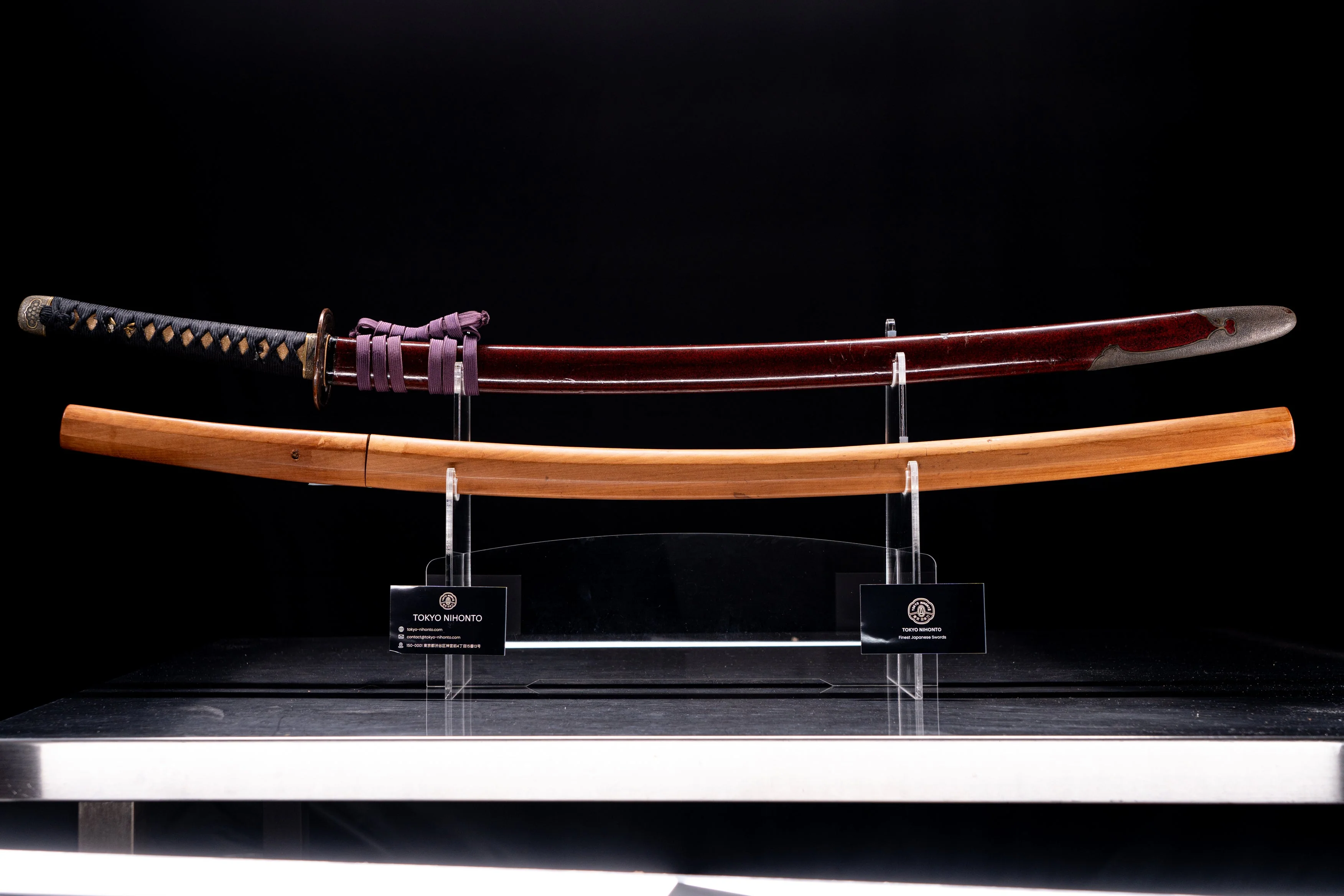
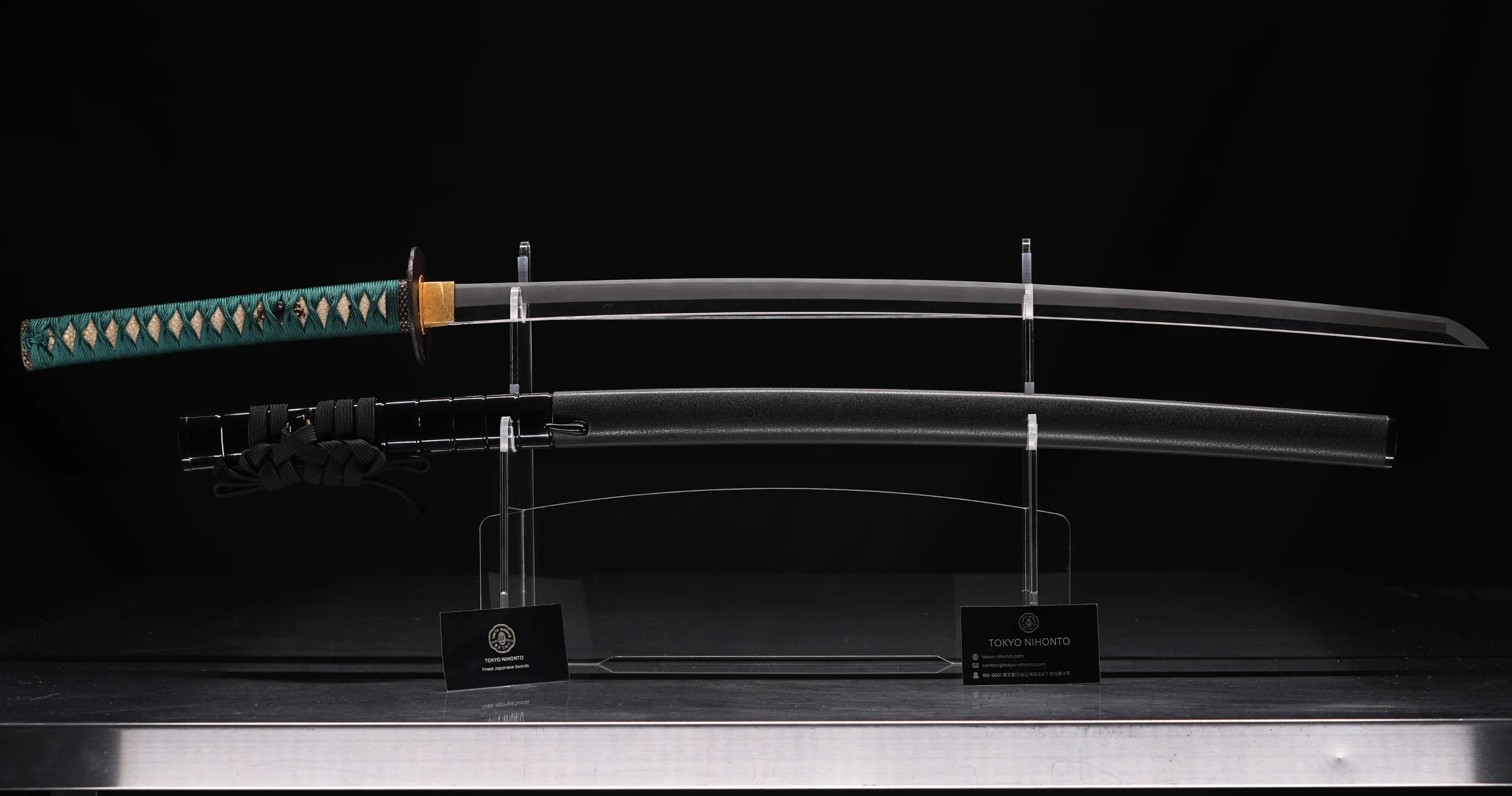
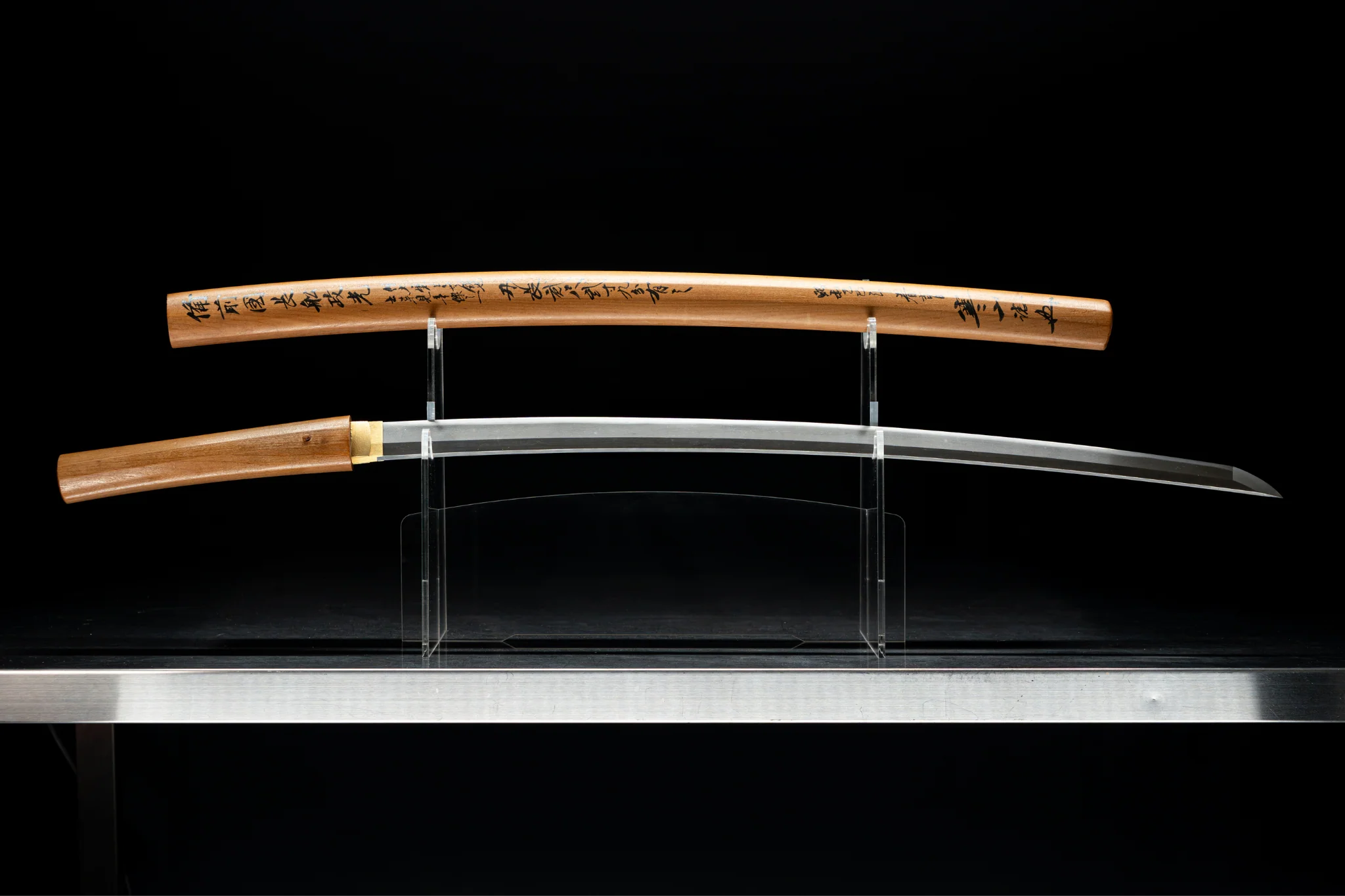
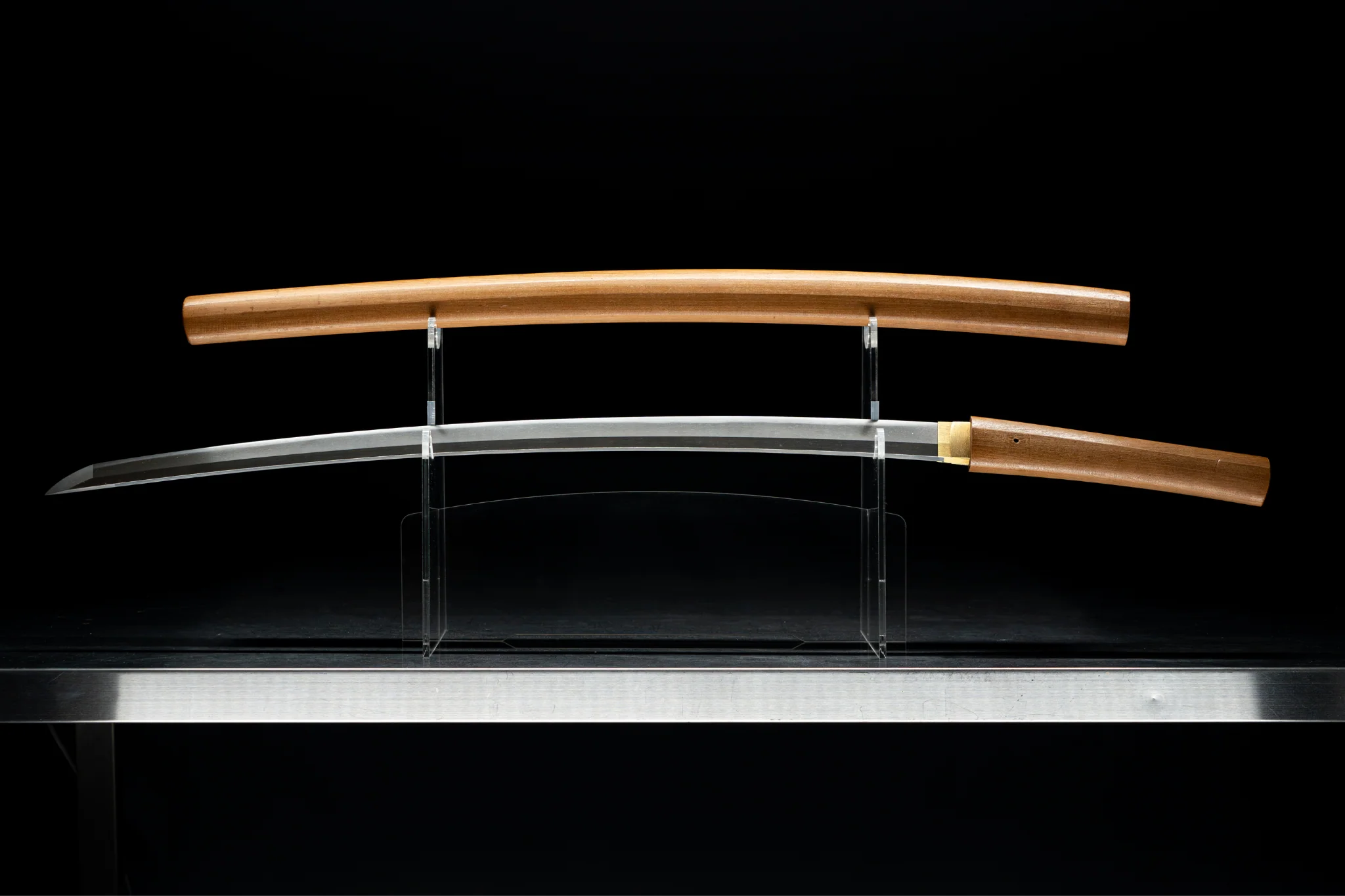
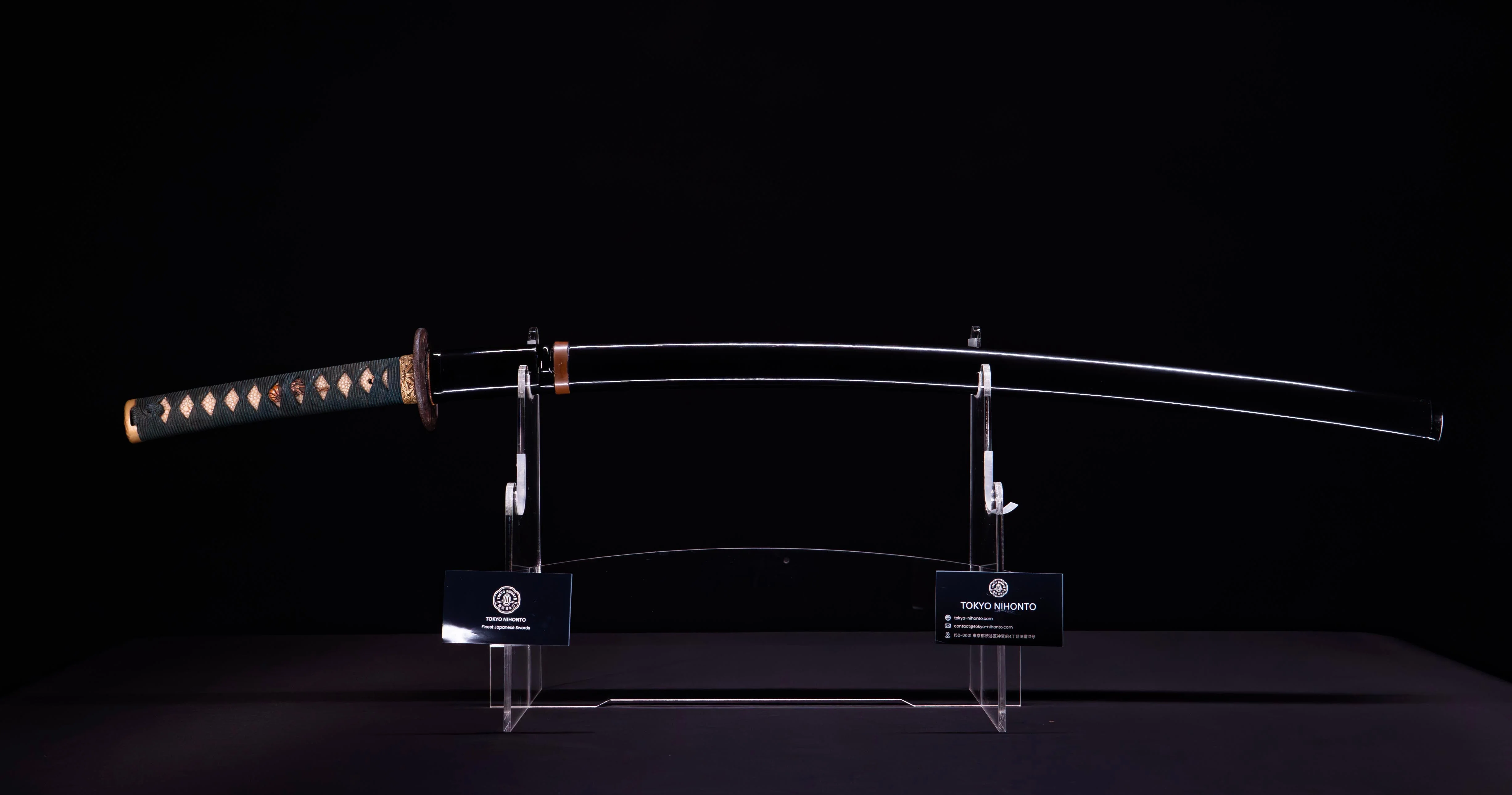
This is a magnificent Katana certified NBTHK Hozon, attributed to the prestigious Ishidō school. Boasting a commanding 71.0 cm nagasa and an exceptionally deep 2.2 cm sori, this blade exhibits a graceful, tachi-like silhouette that was highly favored by high-ranking samurai during the early Edo period. The blade is mumei (unsigned), a common occurrence for high-quality blades that were shortened (o-suriage) or originally intended for high-status attribution.
The Ishidō smiths were renowned for their ability to revive the magnificent Bizen-den styles of the Kamakura period, particularly the flamboyant Ichimonji tradition. This blade showcases that mastery through a vivid and active hamon characterized by clove-shaped (choji) undulations and a clear, healthy steel texture (jihada).
Koshirae Details
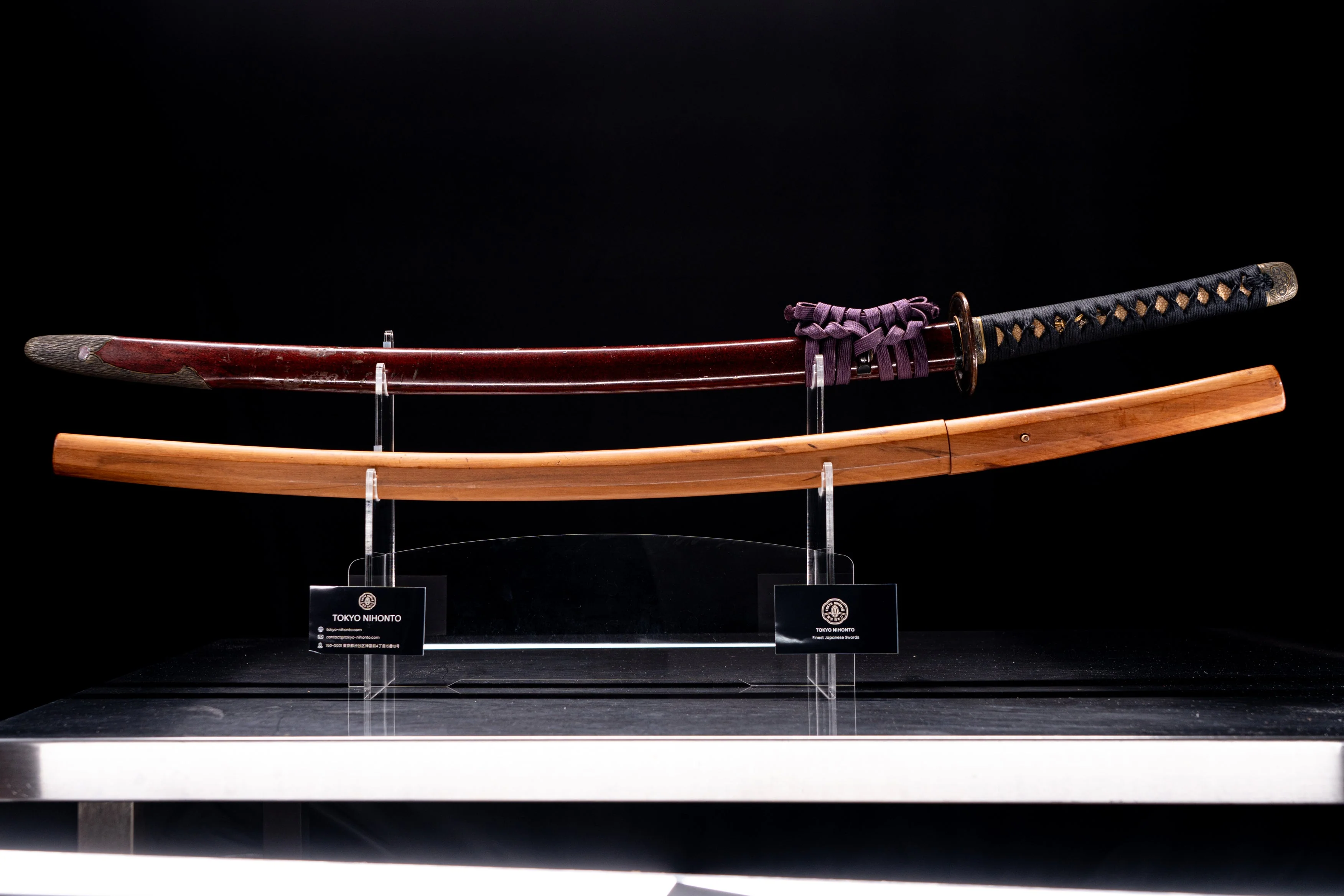
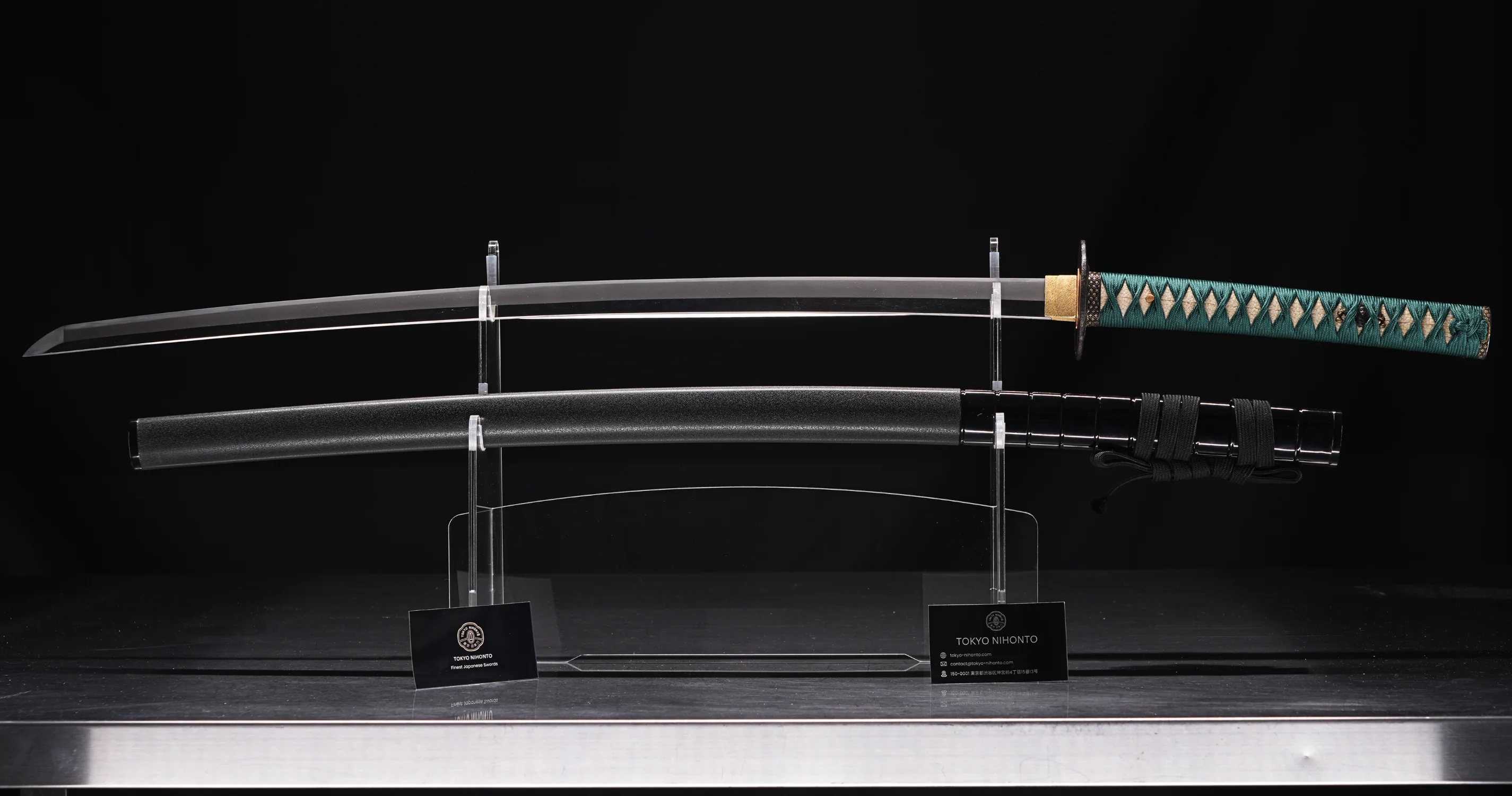
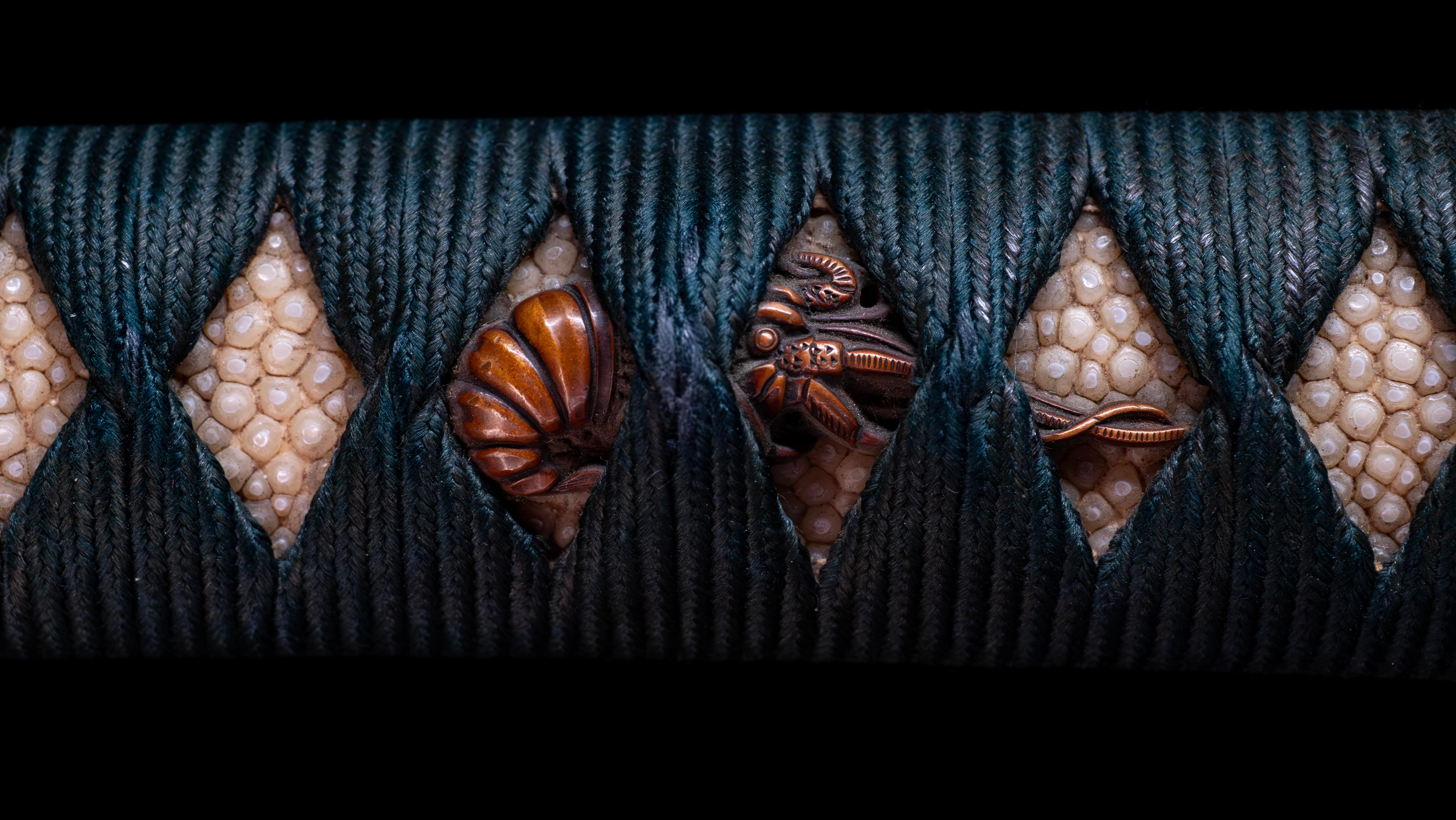
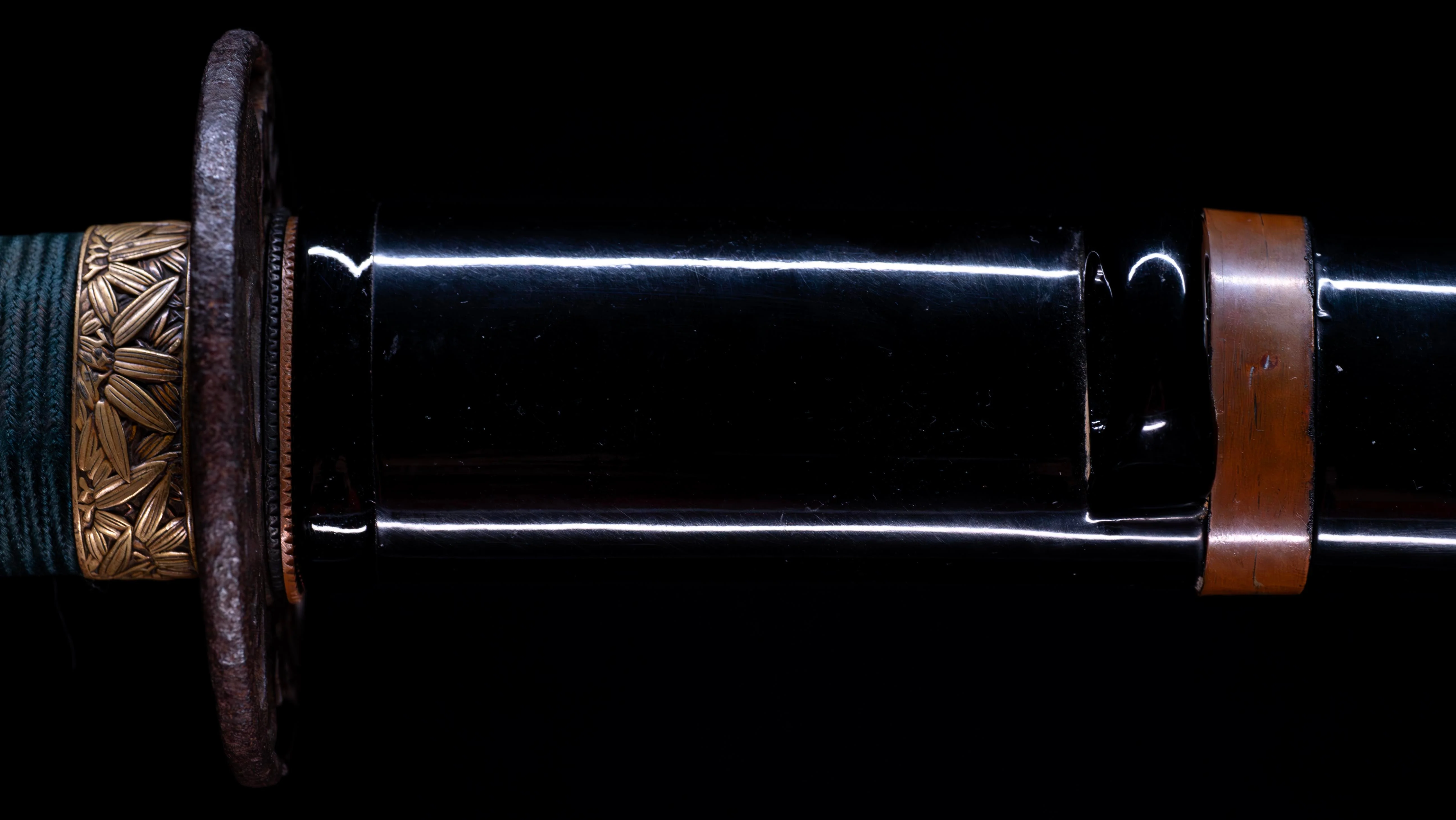
The sword is housed in a refined set of traditional mountings. The saya is finished in a classic kuroro (deep black polished lacquer), offering a timeless and dignified aesthetic. The tsuka (hilt) is wrapped in a distinctive deep-green silk ito over high-grade rayskin.
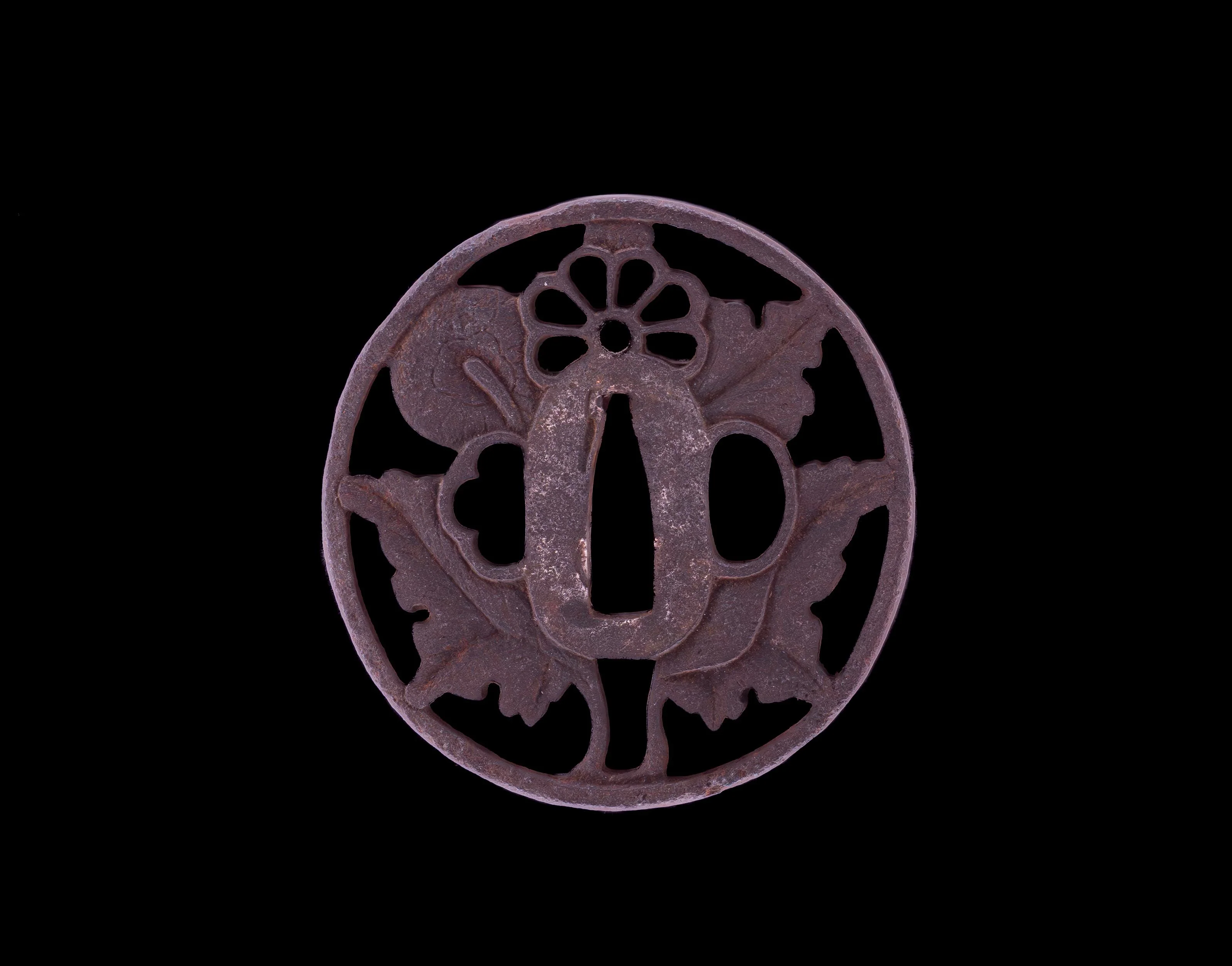
The tsuba is an iron sukashi (openwork) design featuring the Imperial Chrysanthemum (Kiku) and Paulownia (Kiri) motifs, symbols of authority and honor. The kashira is crafted from a rich copper-gold alloy (suaka or shakudo) featuring a high-relief depiction of autumn grain or millet stalks, symbolizing a bountiful harvest and prosperity.
Swordsmith Background
The Ishidō school originally hailed from Omi province but gained its greatest fame in Edo (modern-day Tokyo) during the 17th century. Known as the "Edo Ishidō" lineage, these smiths—including masters like Mitsuhira and Tsunemitsu—specialized in recreating the complex, flower-like choji-midare hamon of the ancient Bizen masters. Their work was so technically proficient that many Ishidō blades were historically mistaken for authentic Kamakura-era Ichimonji works.
School History
As leaders of the Bizen-den revival in the Shinto (New Sword) era, the Ishidō school represented the pinnacle of artistic sword making in the Shogun’s capital. Their blades are characterized by a combination of visual splendor and robust construction. With a 2.2 cm curvature, this particular piece stands out as an exceptionally elegant example of the school's output, offering the presence of a battlefield weapon with the refined finish of a piece of fine art.
Product Information
Product Information
Shipping & Returns
Shipping & Returns















Antique Japanese Katana Sword by Ishido School - NBTHK Hozon
Antique Japanese Katana Sword by Ishido School - NBTHK Hozon
- Signature (Mei): 無銘(石堂) Mumei (Attributed to Ishidō)
- Swordsmith: Ishidō School
- School / Tradition: Bizen-den (Edo Ishidō lineage)
- Period / Province: Early Edo Period (Shinto) / Musashi Province (Edo)
- Certificate: NBTHK Hozon (保存刀剣)
- Mounting: High-quality Koshirae and Shirasaya
- Blade Length (Nagasa): 71.0 cm
- Curvature (Sori): 2.2 cm
- Mekugi-ana: 2
- Shape: Shinogi-zukuri with a deep, elegant curvature
- Jihada: Fine Itame-hada with Mokume-nagare
- Hamon: Vibrant Choji-midare with active Ashi and a bright Nioikuchi
This is a magnificent Katana certified NBTHK Hozon, attributed to the prestigious Ishidō school. Boasting a commanding 71.0 cm nagasa and an exceptionally deep 2.2 cm sori, this blade exhibits a graceful, tachi-like silhouette that was highly favored by high-ranking samurai during the early Edo period. The blade is mumei (unsigned), a common occurrence for high-quality blades that were shortened (o-suriage) or originally intended for high-status attribution.
The Ishidō smiths were renowned for their ability to revive the magnificent Bizen-den styles of the Kamakura period, particularly the flamboyant Ichimonji tradition. This blade showcases that mastery through a vivid and active hamon characterized by clove-shaped (choji) undulations and a clear, healthy steel texture (jihada).
Koshirae Details
The sword is housed in a refined set of traditional mountings. The saya is finished in a classic kuroro (deep black polished lacquer), offering a timeless and dignified aesthetic. The tsuka (hilt) is wrapped in a distinctive deep-green silk ito over high-grade rayskin.
The tsuba is an iron sukashi (openwork) design featuring the Imperial Chrysanthemum (Kiku) and Paulownia (Kiri) motifs, symbols of authority and honor. The kashira is crafted from a rich copper-gold alloy (suaka or shakudo) featuring a high-relief depiction of autumn grain or millet stalks, symbolizing a bountiful harvest and prosperity.
Swordsmith Background
The Ishidō school originally hailed from Omi province but gained its greatest fame in Edo (modern-day Tokyo) during the 17th century. Known as the "Edo Ishidō" lineage, these smiths—including masters like Mitsuhira and Tsunemitsu—specialized in recreating the complex, flower-like choji-midare hamon of the ancient Bizen masters. Their work was so technically proficient that many Ishidō blades were historically mistaken for authentic Kamakura-era Ichimonji works.
School History
As leaders of the Bizen-den revival in the Shinto (New Sword) era, the Ishidō school represented the pinnacle of artistic sword making in the Shogun’s capital. Their blades are characterized by a combination of visual splendor and robust construction. With a 2.2 cm curvature, this particular piece stands out as an exceptionally elegant example of the school's output, offering the presence of a battlefield weapon with the refined finish of a piece of fine art.
Original: $4,500.00
-65%$4,500.00
$1,575.00Product Information
Product Information
Shipping & Returns
Shipping & Returns
Description
- Signature (Mei): 無銘(石堂) Mumei (Attributed to Ishidō)
- Swordsmith: Ishidō School
- School / Tradition: Bizen-den (Edo Ishidō lineage)
- Period / Province: Early Edo Period (Shinto) / Musashi Province (Edo)
- Certificate: NBTHK Hozon (保存刀剣)
- Mounting: High-quality Koshirae and Shirasaya
- Blade Length (Nagasa): 71.0 cm
- Curvature (Sori): 2.2 cm
- Mekugi-ana: 2
- Shape: Shinogi-zukuri with a deep, elegant curvature
- Jihada: Fine Itame-hada with Mokume-nagare
- Hamon: Vibrant Choji-midare with active Ashi and a bright Nioikuchi
This is a magnificent Katana certified NBTHK Hozon, attributed to the prestigious Ishidō school. Boasting a commanding 71.0 cm nagasa and an exceptionally deep 2.2 cm sori, this blade exhibits a graceful, tachi-like silhouette that was highly favored by high-ranking samurai during the early Edo period. The blade is mumei (unsigned), a common occurrence for high-quality blades that were shortened (o-suriage) or originally intended for high-status attribution.
The Ishidō smiths were renowned for their ability to revive the magnificent Bizen-den styles of the Kamakura period, particularly the flamboyant Ichimonji tradition. This blade showcases that mastery through a vivid and active hamon characterized by clove-shaped (choji) undulations and a clear, healthy steel texture (jihada).
Koshirae Details
The sword is housed in a refined set of traditional mountings. The saya is finished in a classic kuroro (deep black polished lacquer), offering a timeless and dignified aesthetic. The tsuka (hilt) is wrapped in a distinctive deep-green silk ito over high-grade rayskin.
The tsuba is an iron sukashi (openwork) design featuring the Imperial Chrysanthemum (Kiku) and Paulownia (Kiri) motifs, symbols of authority and honor. The kashira is crafted from a rich copper-gold alloy (suaka or shakudo) featuring a high-relief depiction of autumn grain or millet stalks, symbolizing a bountiful harvest and prosperity.
Swordsmith Background
The Ishidō school originally hailed from Omi province but gained its greatest fame in Edo (modern-day Tokyo) during the 17th century. Known as the "Edo Ishidō" lineage, these smiths—including masters like Mitsuhira and Tsunemitsu—specialized in recreating the complex, flower-like choji-midare hamon of the ancient Bizen masters. Their work was so technically proficient that many Ishidō blades were historically mistaken for authentic Kamakura-era Ichimonji works.
School History
As leaders of the Bizen-den revival in the Shinto (New Sword) era, the Ishidō school represented the pinnacle of artistic sword making in the Shogun’s capital. Their blades are characterized by a combination of visual splendor and robust construction. With a 2.2 cm curvature, this particular piece stands out as an exceptionally elegant example of the school's output, offering the presence of a battlefield weapon with the refined finish of a piece of fine art.